
DbcultAccessing Vault...
Director's Spotlight
Senior Film Conservator
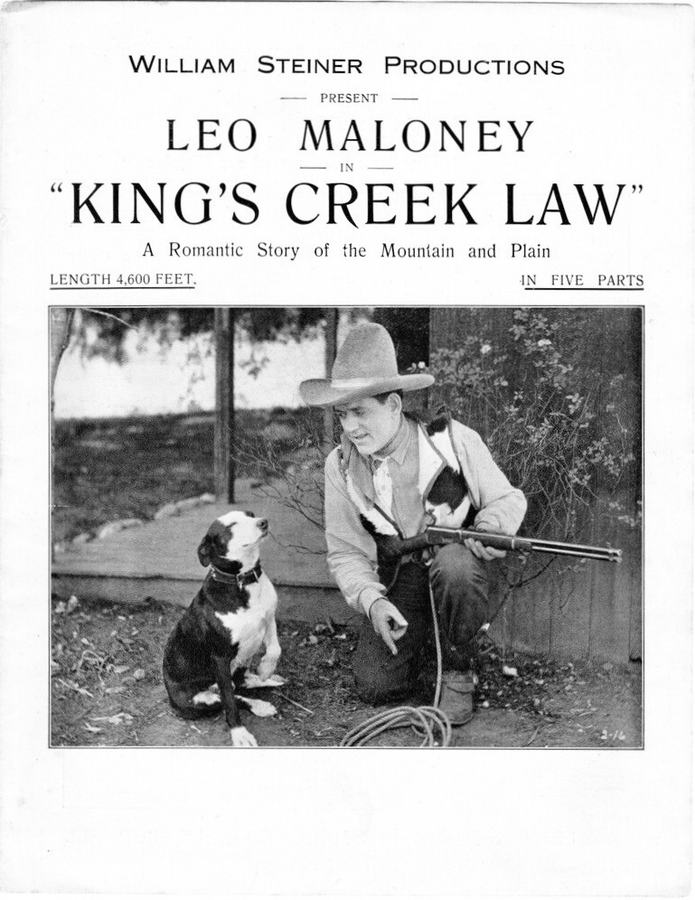
Director's Spotlight: United States
A Deep Dive into the 1923 Vision of Leo D. Maloney
To understand the modern evolution of United States film, one must first look at King's Creek Law and the meticulous attention to detail that Leo D. Maloney applied to every frame. Reflecting the political and social shifts of the 1923s, it showcases the power of Western as a tool for social commentary.
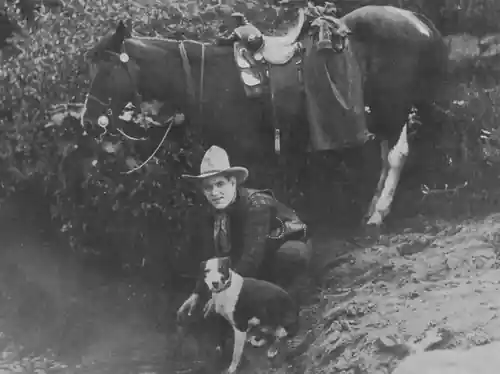
In King's Creek Law, Leo D. Maloney pushes the boundaries of conventional narrative. The film's unique approach to its subject matter has sparked endless debates and interpretations among cinephiles and critics alike.
| Cinematography | High-Contrast |
| Soundtrack | Diegetic |
| Editing | Elliptical |
| Art Direction | Expressionist |
Visualizing the convergence of Leo D. Maloney's style and the core Western narrative.
Texas Ranger Tom Hardy is sent to the hard-boiled town of King City to track down a murderer. The trail leads him into contact with Saul Jameson, an unreconstructed southerner who fancies himself to be the law in King's Creek and conducts his own trials without government interference. Kirk, Jameson's beloved son, becomes a suspect in the case, and Jameson decides to try him impartially despite his parental affection. Hardy, however, proves Kirk's innocence, exposes the real murderer, and thus reconciles Jameson to United States law. Hardy also wins the hand of Jameson's daughter, Milly.
Decades after its release, King's Creek Law remains a vital piece of the cinematic puzzle. Its influence can be seen in countless modern works, solidifying Leo D. Maloney's status as a master of the craft in United States and beyond.