
DbcultAccessing Vault...
Director's Spotlight
Senior Film Conservator
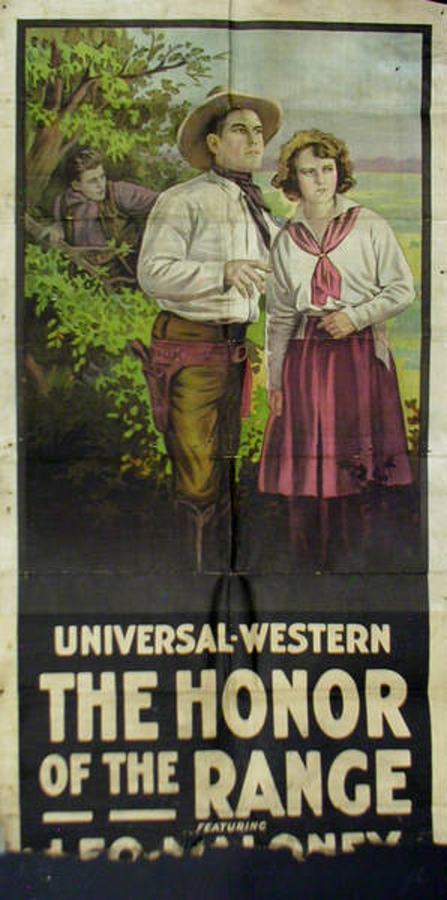
Director's Spotlight: United States
A Deep Dive into the 1920 Vision of Leo D. Maloney
The brilliance of The Honor of the Range (1920) is inseparable from the visionary mind of its creator, Leo D. Maloney. Serving as a mirror to the anxieties of a changing world, it persists as a haunting reminder of our own cinematic history.
In The Honor of the Range, Leo D. Maloney pushes the boundaries of conventional narrative. The film's unique approach to its subject matter has sparked endless debates and interpretations among cinephiles and critics alike.
| Cinematography | Deep Focus |
| Soundtrack | Orchestral |
| Editing | Invisible |
| Art Direction | Kitsch |
Visualizing the convergence of Leo D. Maloney's style and the core Short narrative.
Billy Hall is missing without leave, and the chief of the forest rangers wants to charge him with desertion. Bud Kirkland, another ranger, feels that something is wrong, and discovers a letter, torn in bits, asking Billy to return to "Betty," at the V-Bar ranch. Bud asks the chief to allow a few more days, and goes off in pursuit. Arriving at the ranch, he sees Billy ride away, and talks to the girl, who proves to be his sister. Billy goes to town, where he gambles, loses, he accuses the winner of having rustled his cattle. During the game Bud enters, but could do nothing with him. Billy then rode away and in rounding up some of his cattle, the rustlers shot him from ambush. Bud arrived, and after a gun battle in which he was shot, he got the two rustlers, just as the sheriff and Betty appeared. It all looked as though Billy had done the battling, and Bud drove off, happy that he had left a comrade to be acclaimed a hero.
Decades after its release, The Honor of the Range remains a vital piece of the cinematic puzzle. Its influence can be seen in countless modern works, solidifying Leo D. Maloney's status as a master of the craft in United States and beyond.