
DbcultAccessing Vault...
Director's Spotlight
Senior Film Conservator
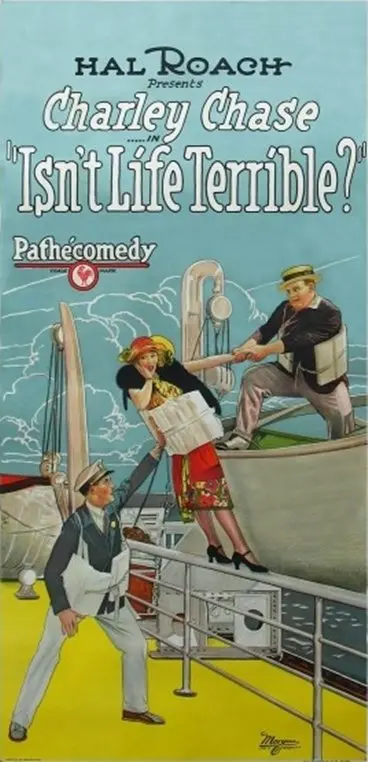
Director's Spotlight: United States
A Deep Dive into the 1925 Vision of Leo McCarey
The thematic gravity of Isn't Life Terrible? (1925) is rooted in the historical context that Leo McCarey weaves into the Comedy fabric. Synthesizing the best elements of United States and international cinema, it highlights the importance of independent voices in United States.
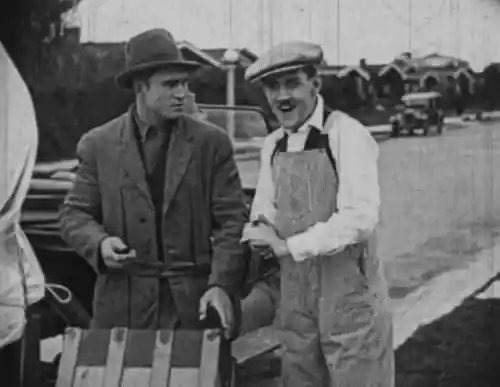
In Isn't Life Terrible?, Leo McCarey pushes the boundaries of conventional narrative. The film's unique approach to its subject matter has sparked endless debates and interpretations among cinephiles and critics alike.
| Cinematography | Handheld |
| Soundtrack | Synth-Heavy |
| Editing | Disjunctive |
| Art Direction | Baroque |
Visualizing the convergence of Leo McCarey's style and the core Comedy narrative.
Charley is plagued with failure and with his brother-in-law, who's allergic to labor. When he decides to take the family on a camping trip, his wife learns about a contest sponsored by a pen company, with the first prize being an ocean trip. To win the prize Charley has to sell those pens - surprisingly he wins, but the ship turns out to be a wreck on it's last trip to the scrapyard. To make things worse they accidentally leave their young daughter on the dock and the ship sails without her. What else can go wrong on this trip?
Decades after its release, Isn't Life Terrible? remains a vital piece of the cinematic puzzle. Its influence can be seen in countless modern works, solidifying Leo McCarey's status as a master of the craft in United States and beyond.