
DbcultAccessing Vault...
Director's Spotlight
Senior Film Conservator
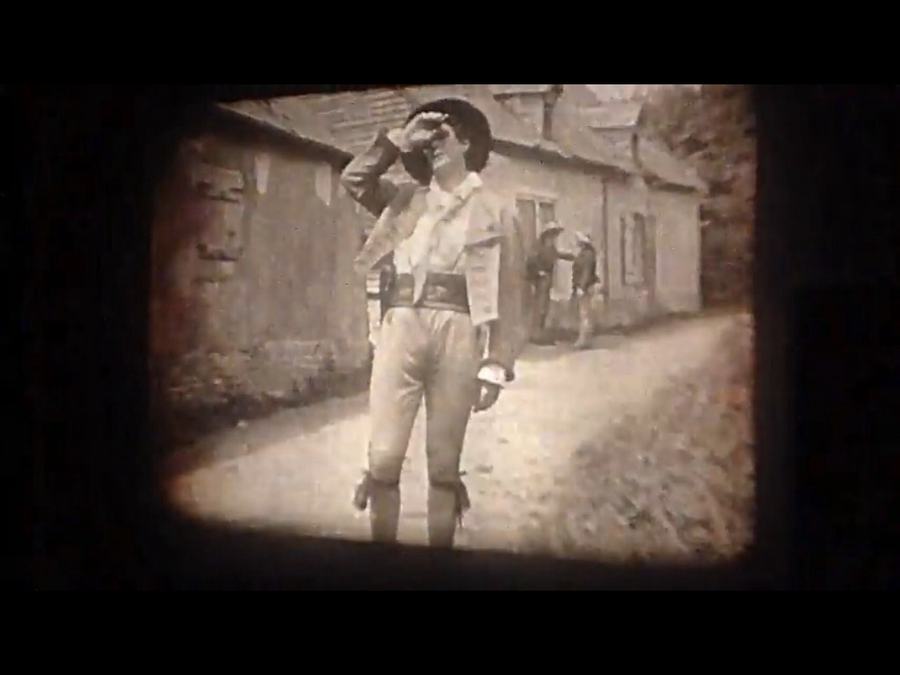
Director's Spotlight: United Kingdom
A Deep Dive into the 1913 Vision of Léon Bary
Peeling back the layers of Léon Bary's The Lady of Lyons; or, Love and Pride exposes the technical innovation that Léon Bary introduced to the cult format. Driven by an uncompromising commitment to cult excellence, it stands as the definitive 1913 statement on cult identity.
In The Lady of Lyons; or, Love and Pride, Léon Bary pushes the boundaries of conventional narrative. The film's unique approach to its subject matter has sparked endless debates and interpretations among cinephiles and critics alike.
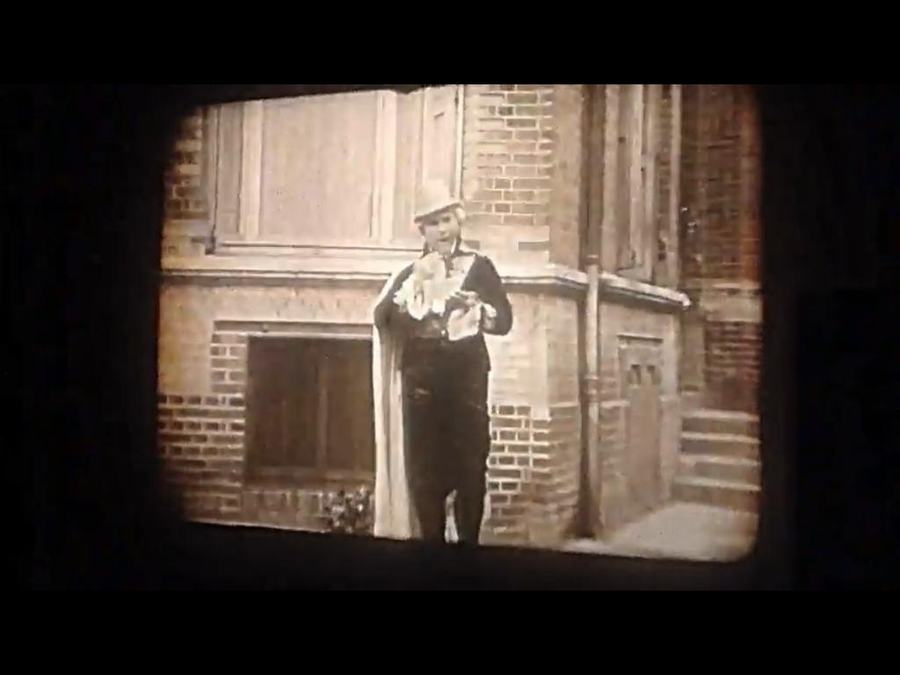
In this work, Léon Bary explores the intersection of cult and United Kingdom cultural identity. The meticulous attention to detail suggests a deep-seated commitment to pushing the boundaries of the medium, ensuring that The Lady of Lyons; or, Love and Pride remains a relevant topic of study for cult enthusiasts.
| Cinematography | Static |
| Soundtrack | Diegetic |
| Editing | Rhythmic |
| Art Direction | Naturalist |
Visualizing the convergence of Léon Bary's style and the core cult narrative.
Claude Melnotte, an artist of lowly birth, is spurned by the proud Pauline, daughter of the wealthy Lyons merchant, Deschappelles. Beauseant, a rich gentleman who has been refused with levity by Pauline, plans to be revenged for the insult. He sees Claude Melnotte place a bouquet on the windowsill of Pauline's room. Pauline finds a note in the bouquet and when she discovers that her secret admirer is Claude Melnotte, the son of a gardener, she throws the flowers into the street. Beauseant follows Claude home, and persuades him to assume the fictitious title of "Prince of Como" for which purpose Beauseant furnishes money. Claude signs a contract, agreeing not to reveal his true identity until Beauseant gives him permission. Beauseant equips him with the valuable dress and trinkets of his supposed princely rank, introduces him to the leading society, and obtains for him an invitation to the home of the merchant Deschappelles. Pauline is enchanted with the Prince, and his rank and apparent wealth prove too much for her when Claude proposes marriage. She accepts him and the wedding takes place with great pomp and splendor. Meanwhile Claude has told his mother of his deception and has asked her to help him to comfort Pauline when she is disillusioned. He has to take Pauline to his mother's home as he has no other home for her. Pauline is heartbroken when she finds that she is the guest of a poor cottager instead of the mistress of a wonderful castle. Finding Pauline inconsolable Claude suggests that she divorce him, and having no hope in life left him, he enlists, goes to war, and Pauline returns to her father's home. He is promoted for bravery and returns two years later as Col. Melnotte. During Claude's absence Deschappelles has lost his money and Beauseant has come to the rescue, making the hand of Pauline his condition. Claude is just in time to prevent the marriage, and win Pauline for his own again. The scene closes with Pauline in the arms of Claude.
Decades after its release, The Lady of Lyons; or, Love and Pride remains a vital piece of the cinematic puzzle. Its influence can be seen in countless modern works, solidifying Léon Bary's status as a master of the craft in United Kingdom and beyond.