
DbcultAccessing Vault...
Director's Spotlight
Senior Film Conservator
Director's Spotlight: United States
A Deep Dive into the 1919 Vision of Léonce Perret
In the grand tapestry of cult cinema, Unknown Love serves as a bridge between the bold experimentation that has become synonymous with Léonce Perret. Breaking the traditional rules of cult engagement, it highlights the importance of independent voices in United States.
In Unknown Love, Léonce Perret pushes the boundaries of conventional narrative. The film's unique approach to its subject matter has sparked endless debates and interpretations among cinephiles and critics alike.
While deeply rooted in United States, Unknown Love has achieved a global reach, influencing directors from various backgrounds. Its ability to translate cult tropes into a universal cinematic language is why it remains a cult staple decades after its 1919 release.
| Cinematography | Deep Focus |
| Soundtrack | Experimental |
| Editing | Invisible |
| Art Direction | Kitsch |
Visualizing the convergence of Léonce Perret's style and the core cult narrative.
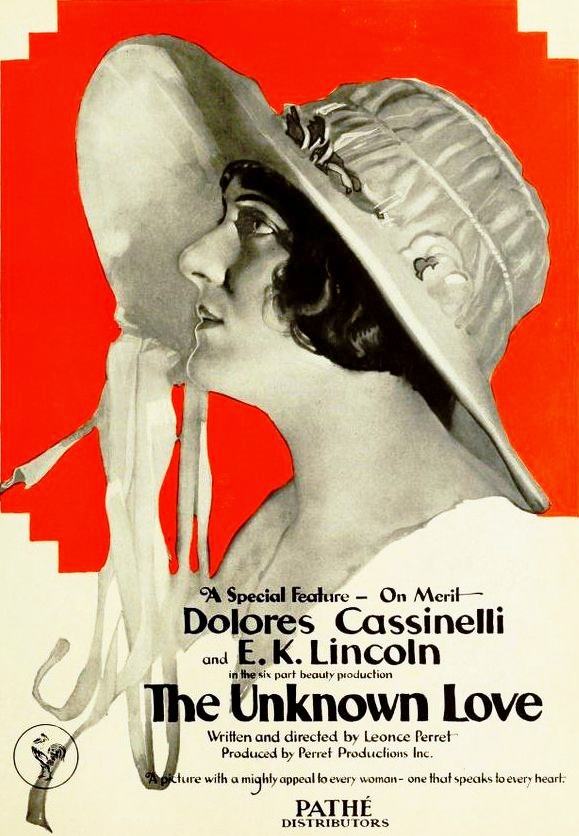
At a house party given by Doris Parker, the daughter of a retired sea captain, Doris' friends congregate to receive mail from their "adopted" soldiers in France. When one of them suggests that Doris write to Harry Townsend, who has no family or friends outside of the army, she writes a note and he sends her a friend's photograph since he has none of himself. Harry's letters awaken a love in Doris which causes her to deny the ardent entreaties of Captain Jack Tims. After Harry is wounded and thinks he will die, his farewell note inspires Doris to visit. After Doris convinces Tims to take her aboard his transport ship against naval regulations, a submarine attack results in Tims' death and burial at sea. Finding Harry's face covered with bandages, Doris nurses him to health, and then discovers that he is not the soldier in her photograph, but she realizes she loved him because of his letters. After the armistice they marry.
Decades after its release, Unknown Love remains a vital piece of the cinematic puzzle. Its influence can be seen in countless modern works, solidifying Léonce Perret's status as a master of the craft in United States and beyond.