
DbcultAccessing Vault...
Director's Spotlight
Senior Film Conservator
Director's Spotlight: United States
A Deep Dive into the 1914 Vision of Leopold Wharton
The enduring fascination with The Boundary Rider is a testament to the artistic risks taken by Leopold Wharton that eventually paid off. Challenging the viewer to find meaning in the cult shadows, it reminds us of the fragility and beauty of the 1914s.
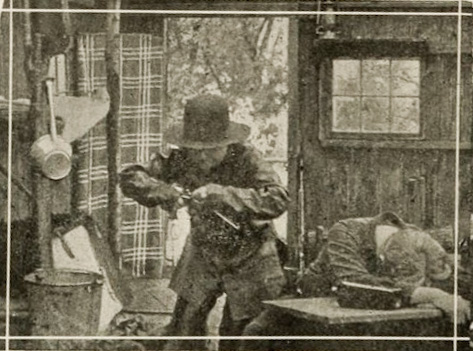
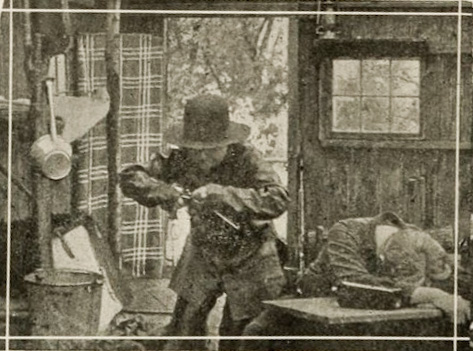
In The Boundary Rider, Leopold Wharton pushes the boundaries of conventional narrative. The film's unique approach to its subject matter has sparked endless debates and interpretations among cinephiles and critics alike.
| Cinematography | Deep Focus |
| Soundtrack | Orchestral |
| Editing | Invisible |
| Art Direction | Kitsch |
Visualizing the convergence of Leopold Wharton's style and the core cult narrative.
The revenue men in New York are after the smugglers of opium and find that a certain Chinaman is in the habit of receiving a supply of the drug at stated periods. They follow him in the hope they will be led to the headquarters of the international band, who they feel sure are back of the traffic. The Chinaman fails to pay on time for the last supply he has received, and in turn the New York distributor is unable to send the money to the headquarters of the gang. This brings the chief to New York to investigate. While there he visits his broker, John Maxwell. He intends his visit to be secret, but is seen by one of the stenographers. This incenses him and angry words pass. In the meantime the Chinaman comes to the office and pays his bill. As the clerk is making out the receipt the detectives raid the place and find the dead body of the broker. All suspicion points to the clerk, who is accused of the murder of his employer. He is taken away by one of the detectives, but makes his escape. He goes to the North Country, makes application to join the Boundary Riders, and after a probation is accepted as an agent of law and order. On one of his patrols he finds a note that gives him a clue to the headquarters of the opium smugglers. The detective from the New York office of the Revenue Service comes to the camp of the riders to continue his investigations. There he recognizes the clerk. The clerk employs a clever woman investigator, who in guise of a Chinaman gets employment as a cook at the smugglers' headquarters. With the information she secures, he leads the revenue men to the headquarters of the gang. The raid is successful, but as all are congratulating the new member on his success the detective steps up and arrests him on the charge of murdering his employer. The investigator, however, has done her work well and produces a coat belonging to the head smuggler from which are torn two pieces which exactly match two pieces of cloth found in the hand of the dead man. This exonerates the clerk and puts added power in the hands of the government men.
Decades after its release, The Boundary Rider remains a vital piece of the cinematic puzzle. Its influence can be seen in countless modern works, solidifying Leopold Wharton's status as a master of the craft in United States and beyond.