
Cult Cinema
The Architect of Shadows: Unearthing Silent Cinema's Blueprint for the Visually Obsessive Cult
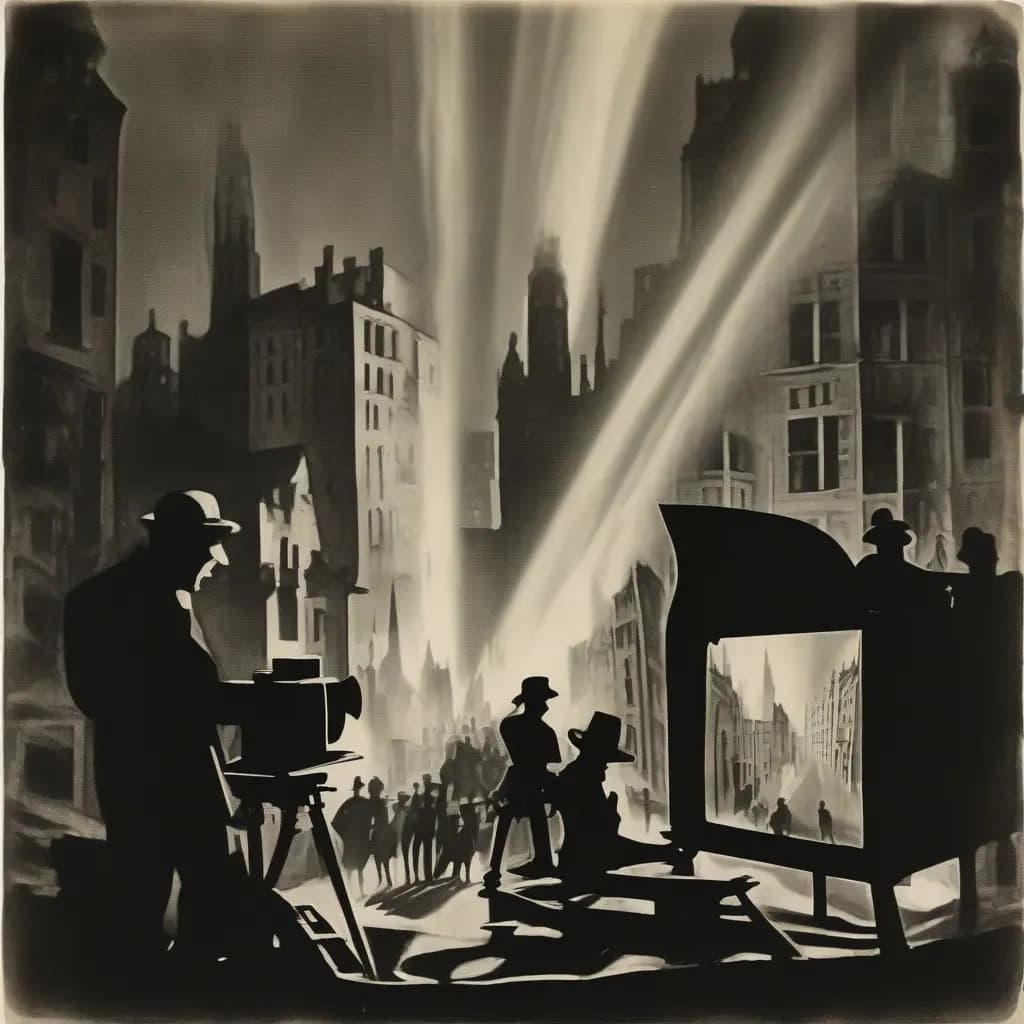
“Long before midnight movies and VHS obsessions, the silent era laid a profound, often overlooked, foundation for what we now recognize as cult cinema. This deep dive excavates the visual language and transgressive narratives of early film that sculpted the very DNA of cinematic devotion.”
When we speak of cult cinema, our minds often leap to the Dionysian midnight screenings of the 1970s, the VHS-era discoveries of the 80s, or the digital re-awakenings of forgotten oddities. We conjure images of fervent audiences, quotable dialogue, and transgressive narratives that defy mainstream sensibilities. Yet, to truly understand the genesis of this peculiar cinematic devotion, we must journey further back, past the advent of synchronized sound, into the flickering, often unsettling, depths of the silent era. It is here, in the primordial ooze of cinema’s infancy, that the foundational aesthetics, narrative daring, and sheer visual audacity were forged, creating a blueprint for the films that would later be worshipped by generations of cinephiles. This wasn't just about early genre experiments; it was about the very architecture of cinematic obsession, built brick by stark, shadow-drenched brick.
The silent screen, far from being a mere precursor to 'real' cinema, was a crucible of visual innovation. Bereft of spoken words, filmmakers were compelled to communicate entirely through images, movement, and performance. This necessity birthed an unparalleled mastery of visual storytelling, a language so potent it could bypass the intellect and speak directly to the subconscious. This unburdened visual grammar, often exaggerated and expressionistic, laid the groundwork for the visceral, atmospheric experiences that would later define much of what we categorize as cult cinema. It’s a legacy that pulsates beneath the surface of every truly unique and unsettling film that demands repeat viewings, a silent scream echoing through the decades.
The Unspoken Language of the Frame: Visual Primacy as Proto-Cult Magnetism
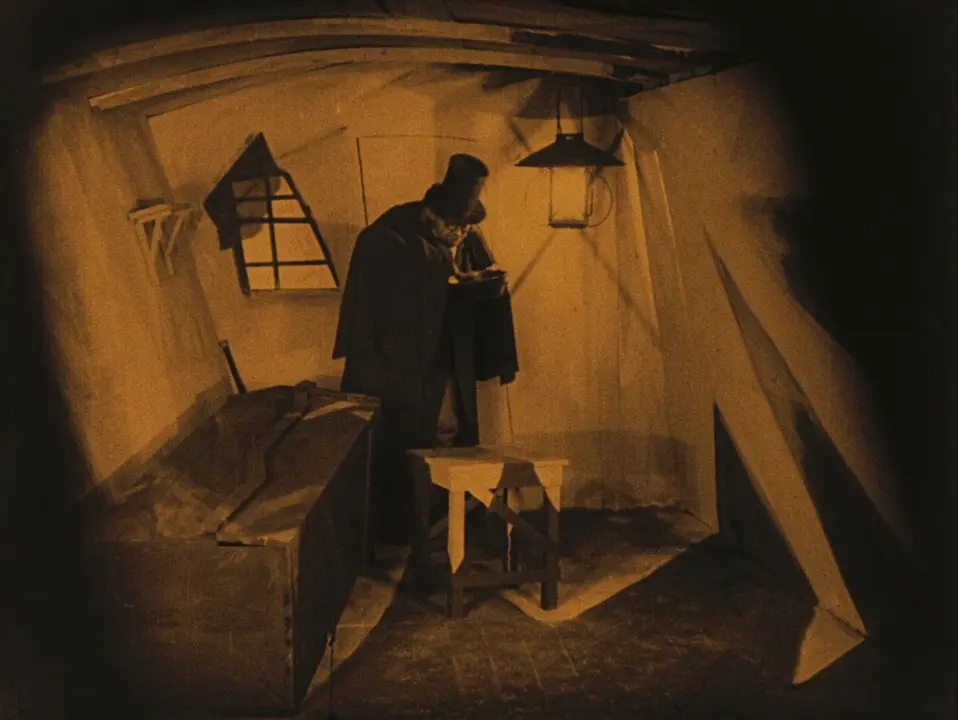
The most striking aspect of silent cinema, and arguably its greatest contribution to the cult aesthetic, is its absolute reliance on visual communication. Every gesture, every set design, every lighting choice carried immense narrative weight. This wasn't merely about clarity; it was about immersive sensation. German Expressionism, a movement born in the ashes of World War I, exemplifies this with breathtaking clarity. Films like Robert Wiene’s The Cabinet of Dr. Caligari (1920) didn't just tell a story; they created an entire warped reality through their jagged, non-Euclidean sets, chiaroscuro lighting, and exaggerated performances. The world on screen was a direct manifestation of psychological states, a concept that would become a cornerstone of mind-bending cinema for decades to come.
This aesthetic wasn't just confined to Germany. Across Europe and even in Hollywood, filmmakers were pushing the boundaries of what the frame could convey. The French avant-garde, for instance, experimented with surrealism and dream logic, creating films that were less about linear narrative and more about evoking feeling, challenging perception. This deliberate fracturing of reality, forcing the viewer to piece together meaning from abstract forms and symbolic imagery, fosters a deep, almost intellectual engagement. It’s the kind of cinematic puzzle that demands re-watching, discussion, and interpretation – the very hallmarks of a cult following. The visual intensity, the sheer artistry of these compositions, became a compelling force, drawing audiences into a world far removed from their own, demanding their full, undivided, and often bewildered, attention.
Narratives of Transgression: Taboos and Twisted Psyches Before the Code
While the Hays Code would later clamp down on cinematic morality in Hollywood, the silent era, particularly its early years, was a wild frontier of daring narratives. Filmmakers explored themes of madness, social deviance, sexual obsession, and the grotesque with a frankness that often surprises modern viewers. These were not always subtle explorations; they were often melodramatic, sensational, and deeply unsettling, pushing against the moral strictures of their time.
Consider Louis Feuillade’s French serials, particularly Les Vampires (1915-1916). This sprawling crime epic, with its shadowy underworld, mysterious femme fatales, and bizarre criminal organization, is an undeniable ancestor of modern pulp fiction and neo-noir. Its episodic structure, cloaked figures, and lingering sense of dread created a serialized obsession among its initial audiences, a precursor to the binged narratives of today. The film's audacious depiction of a criminal cabal operating with impunity, its proto-surrealist imagery, and the enigmatic allure of Musidora's Irma Vep, all contributed to a thrillingly transgressive experience that cultivated a passionate, almost conspiratorial, fanbase.
Beyond explicit criminality, silent films delved into the psychological abyss. Jack London's novel, The Star Rover, adapted to film in 1920, exemplifies this. The story of a prisoner coping with a straitjacket by projecting his mind through time and space is a profound exploration of consciousness, confinement, and escapism. Such narratives, wrestling with the boundaries of sanity and reality, offered a potent, often disturbing, escapism that resonated with audiences seeking something beyond the mundane. Even seemingly conventional melodramas like The White Sister (1923), with its tale of a nun torn between her vows and a returned love, could achieve an emotional intensity, bordering on the operatic, that transcended mere drama, imbuing it with a heightened, almost feverish, reverence from its admirers. These films, in their unvarnished exploration of humanity's darker impulses and complex emotional landscapes, carved out a space for cinema that wasn't just entertainment, but a mirror, however distorted, to the hidden corners of the soul.
The Birth of Cinematic Hypnosis: Atmosphere Over Exposition
The absence of dialogue in silent films also necessitated a different kind of pacing and rhythm. This often led to a more deliberate, atmospheric approach, allowing scenes to unfold with a dreamlike quality. The emphasis shifted from rapid-fire exposition to sustained mood-building, a technique that would become central to many cult horror films and psychological thrillers. F.W. Murnau’s Nosferatu (1922), for instance, doesn't rely on jump scares or explicit gore. Instead, it builds an almost unbearable sense of dread through its haunting visuals, expressionistic shadows, and Max Schreck's utterly alien portrayal of Count Orlok. The film moves with a somnambulistic grace, drawing the viewer into its nightmare world through sheer, oppressive atmosphere.
This hypnotic quality was further amplified by the live musical accompaniment common in silent cinema. Far from being a mere backdrop, the orchestra, organist, or pianist would interpret the film's emotions, guiding the audience through its peaks and valleys. This symbiotic relationship between moving image and live sound created a unique, almost ritualistic, viewing experience. The audience wasn't just watching a film; they were participating in a sensory event, their emotions manipulated by a symphony of visual and auditory cues. This immersive, almost trance-inducing effect, where the film becomes an experience rather than just a story, is precisely what draws cult audiences back repeatedly, seeking to re-enter that unique cinematic space.
“The great silent films weren't merely stories; they were incantations, spells cast in light and shadow that imprinted themselves directly onto the viewer’s soul, bypassing the logical and speaking to the primal.”
Architects of the Uncanny: Directors as Visionaries
The silent era birthed true auteurism, with directors like D.W. Griffith, Erich von Stroheim, Fritz Lang, and Abel Gance wielding unprecedented creative control. These were visionaries who understood cinema not just as a recording device, but as an art form capable of expressing profound psychological truths and societal anxieties. Their audacious experiments with narrative structure, visual effects, and performance laid down markers that filmmakers are still chasing today.
Fritz Lang's Metropolis (1927), for instance, remains a towering achievement in dystopian science fiction, its monumental sets and groundbreaking special effects creating a future that is both terrifying and tragically beautiful. Its themes of class struggle, technological alienation, and messianic figures resonate deeply, ensuring its place as a visually and thematically rich work that demands repeated analysis. Lang's earlier work, such as Dr. Mabuse, the Gambler (1922), a sprawling crime epic, similarly delves into grand, almost operatic, narratives of master criminals and societal decay, crafting a world of psychological torment and moral ambiguity that captivates with its dark complexity. Such films, with their intricate worlds and philosophical underpinnings, invited a level of engagement far beyond casual viewing, fostering communities of scholars and enthusiasts who would dissect every frame.
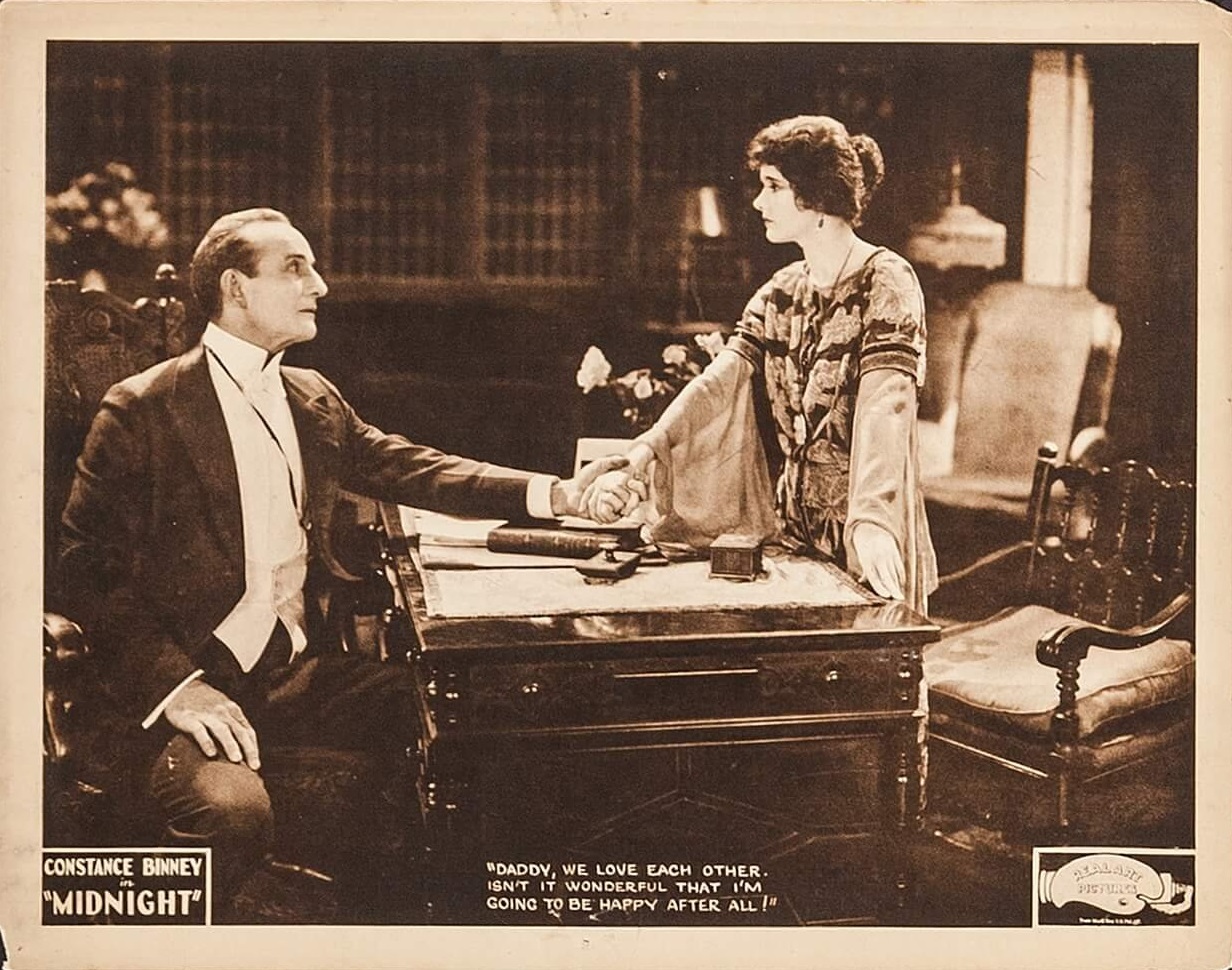
Even within the more constrained genres, singular visions emerged. The audacious physical comedy of Buster Keaton, the intricate character studies of Ernst Lubitsch, or the raw, visceral dramas that explored social issues, like Other Men's Daughters (1923), which tackled father-daughter conflict and societal hypocrisy, often did so with a visual flair and narrative boldness that transcended the conventional. These films, even those less widely known, contributed to a mosaic of cinematic experimentation that valued distinctiveness over homogeneity, a key ingredient in the recipe for cult adoration.
Echoes in the Midnight Hour: Silent Cinema's Enduring Legacy
The visual grammar and narrative audacity forged in the silent era didn't vanish with the arrival of sound. Instead, they became an indelible part of cinema's DNA, influencing generations of filmmakers who would go on to create their own cult phenomena. The stark, stylized visuals of German Expressionism can be seen in everything from film noir to Tim Burton's gothic fantasies. The psychological depth and atmospheric dread of early horror continue to inform contemporary genre cinema. The transgressive narratives of early crime serials echo in the anti-heroes and morally ambiguous worlds we celebrate today.
When we marvel at the intricate world-building of a modern sci-fi epic, or lose ourselves in the unsettling atmosphere of an experimental horror film, we are, consciously or not, experiencing the ripples of silent cinema's profound influence. The obsessive attention to detail, the willingness to embrace the unconventional, the power of a single, striking image to convey complex emotion – these are all lessons learned, refined, and passed down from the masters of the silent screen. The very idea of a film being 'ahead of its time' or 'misunderstood' – concepts central to the cult narrative – finds its earliest manifestations in these pioneering works that dared to be different.
So, the next time you find yourself drawn to a film that defies easy categorization, one that lingers in your mind long after the credits roll, consider its lineage. Look past the obvious signposts of cult cinema and delve into the shadows of the past. You might just discover that the architects of your deepest cinematic obsessions were not the rebels of the 60s, but the silent visionaries who, with naught but light, shadow, and an unyielding imagination, sculpted the very soul of what we cherish as cult film. Their work is not a relic to be dusted off, but a living, breathing testament to cinema's enduring power to mesmerize, disturb, and inspire devotion.
Community
Comments
Log in to comment.
Loading comments…