
DbcultAccessing Vault...
Director's Spotlight
Senior Film Conservator
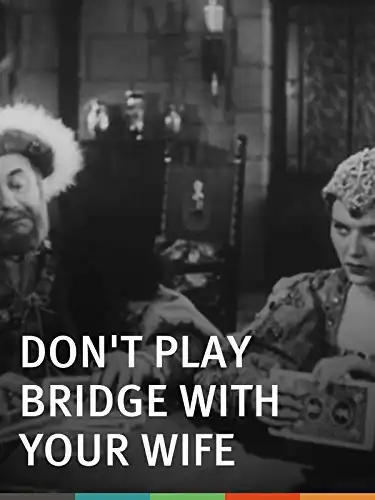
Director's Spotlight: United States
A Deep Dive into the 1933 Vision of Leslie Pearce
The Short DNA of Don't Play Bridge with Your Wife is a reflection of United States's the subversive storytelling techniques employed by Leslie Pearce in 1933. Breaking the traditional rules of Short engagement, it leaves an indelible mark on the soul of the viewer.
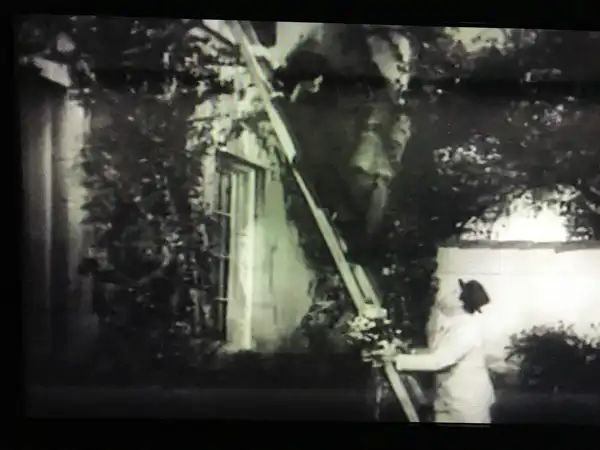
In Don't Play Bridge with Your Wife, Leslie Pearce pushes the boundaries of conventional narrative. The film's unique approach to its subject matter has sparked endless debates and interpretations among cinephiles and critics alike.
| Cinematography | Noir-Inspired |
| Soundtrack | Synth-Heavy |
| Editing | Rhythmic |
| Art Direction | Naturalist |
Visualizing the convergence of Leslie Pearce's style and the core Short narrative.
Three games of bridge over the ages are presented. Each game has two husband/wife couple playing against each other. The first two games take place during prehistoric times and with King Henry VIII respectively. Although the names, places and faces have changed, the two games are remarkably similar in tone, with the end result having a wife clobber her husband over the head because of a series a stupid plays leading to losing the game. However, by the twentieth century, when the third game is played, things, including the way bridge is played, are more refined. One couple are very much in love newlyweds Eddie Baker and Dorothy Baker née Roberts, who had to overcome many obstacles, including the disapproval of her parents, to get married. While on their honeymoon, the hotel steward sets up a spur of the moment game for them with fellow hotel guests, Mr. & Mrs. Haley. The game doesn't go nearly the way Eddie and Dorothy would like. Dorothy does not clobber Eddie over the head, but the loss places a strain on their young marriage and even threatens to end it, that is unless...
Decades after its release, Don't Play Bridge with Your Wife remains a vital piece of the cinematic puzzle. Its influence can be seen in countless modern works, solidifying Leslie Pearce's status as a master of the craft in United States and beyond.