
DbcultAccessing Vault...
Director's Spotlight
Senior Film Conservator
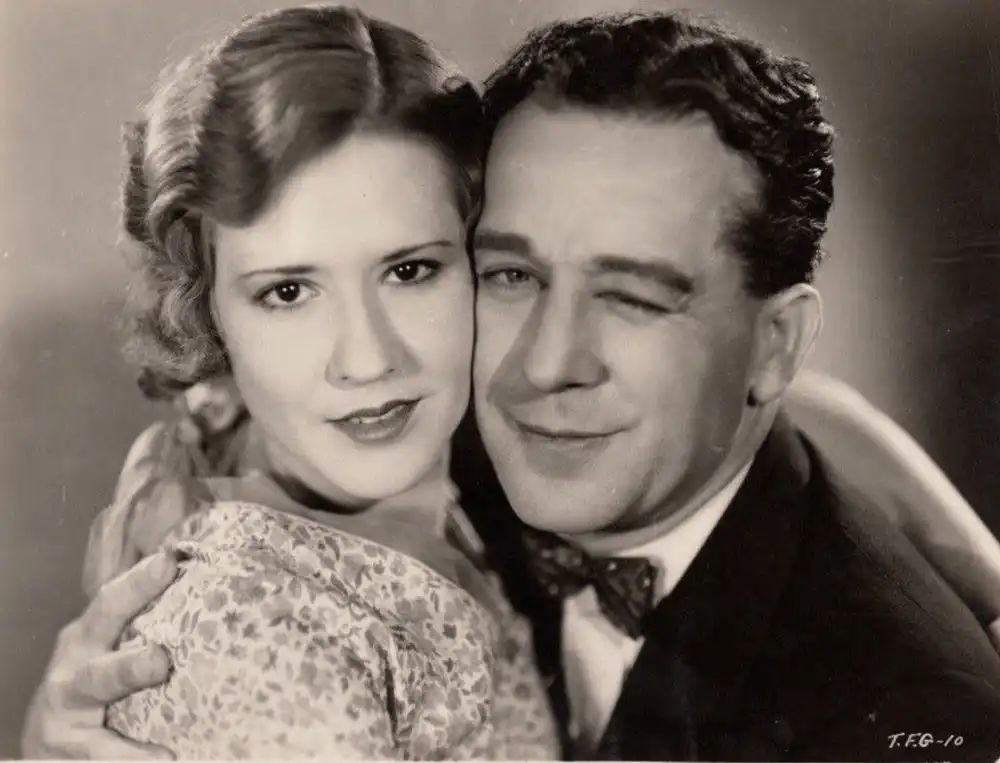
Director's Spotlight: United States
A Deep Dive into the 1930 Vision of Leslie Pearce
The thematic gravity of The Fall Guy (1930) is rooted in the historical context that Leslie Pearce weaves into the Crime fabric. Synthesizing the best elements of United States and international cinema, it highlights the importance of independent voices in United States.
In The Fall Guy, Leslie Pearce pushes the boundaries of conventional narrative. The film's unique approach to its subject matter has sparked endless debates and interpretations among cinephiles and critics alike.
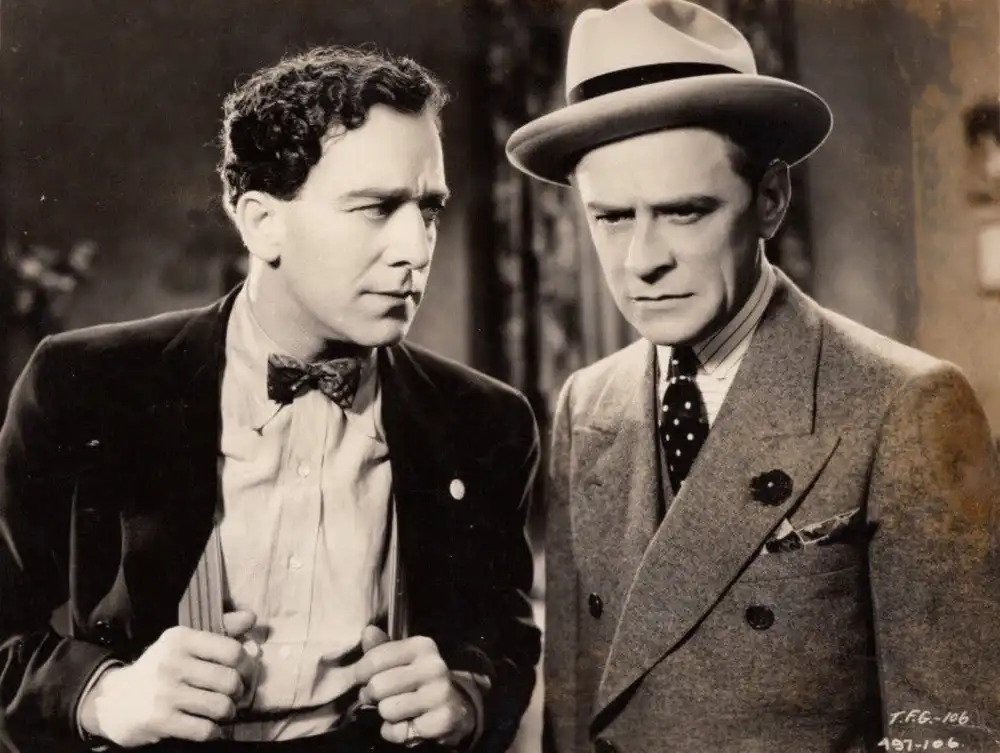
In this work, Leslie Pearce explores the intersection of Crime and United States cultural identity. The meticulous attention to detail suggests a deep-seated commitment to pushing the boundaries of the medium, ensuring that The Fall Guy remains a relevant topic of study for Crime enthusiasts.
| Cinematography | Handheld |
| Soundtrack | Experimental |
| Editing | Elliptical |
| Art Direction | Expressionist |
Visualizing the convergence of Leslie Pearce's style and the core Crime narrative.
When a hapless pharmacist loses his job and falls in with criminals, he's soon made The Fall Guy. Unemployed, Johnny Quinlan (Jack Mulhall) starts doing jobs for underworld chieftain Nifty Herman (Thomas Jackson), who plans to use Johnny as a dupe to cover up his own shady activities. Herman plants a illegal drugs on Quinlan, who is nabbed by federal agent Charles Newton (Pat O'Malley). But in a twist, Quinlan convinces Newton to allow him to trick Herman into a confession.
Decades after its release, The Fall Guy remains a vital piece of the cinematic puzzle. Its influence can be seen in countless modern works, solidifying Leslie Pearce's status as a master of the craft in United States and beyond.