
DbcultAccessing Vault...
Director's Spotlight
Senior Film Conservator
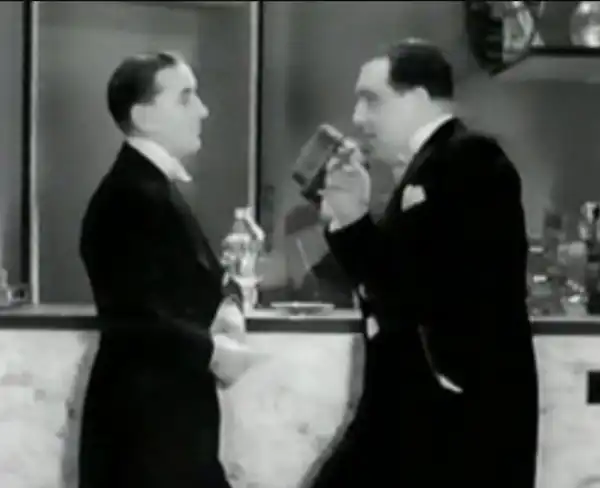
Director's Spotlight: United Kingdom
A Deep Dive into the 1932 Vision of Leslie S. Hiscott
Witnessing the stylistic transformation of Crime through When London Sleeps reveals the global recognition that Leslie S. Hiscott garnered after the release of When London Sleeps. Serving as a mirror to the anxieties of a changing world, offering layers of thematic complexity that demand repeated viewing.
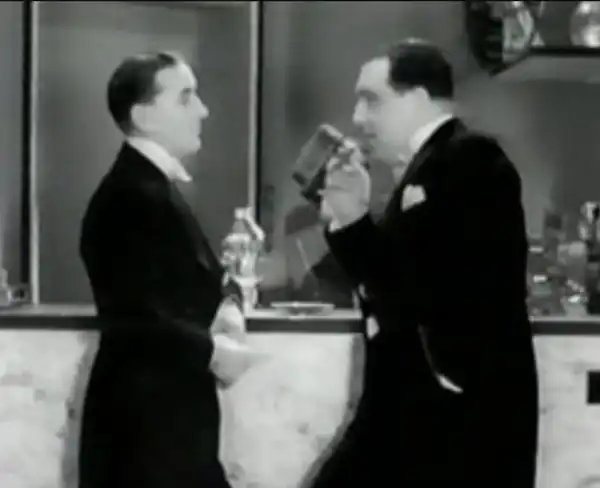
In When London Sleeps, Leslie S. Hiscott pushes the boundaries of conventional narrative. The film's unique approach to its subject matter has sparked endless debates and interpretations among cinephiles and critics alike.
| Cinematography | High-Contrast |
| Soundtrack | Orchestral |
| Editing | Invisible |
| Art Direction | Kitsch |
Visualizing the convergence of Leslie S. Hiscott's style and the core Crime narrative.
Slippery Rodney Haines runs a high-class gambling joint in Hampstead, while elsewhere in London Lamberti's Fair for the less-well-off is on its last legs. The only link between them seems to be Tommy Blyth, whose betting has put him in serious debt with Haines and who fancies Mary, the Lamberti's adopted daughter. In fact, there is a further unexpected link between the two worlds.
Decades after its release, When London Sleeps remains a vital piece of the cinematic puzzle. Its influence can be seen in countless modern works, solidifying Leslie S. Hiscott's status as a master of the craft in United Kingdom and beyond.