
DbcultAccessing Vault...
Director's Spotlight
Senior Film Conservator
Director's Spotlight: United States
A Deep Dive into the 1934 Vision of Lewis D. Collins
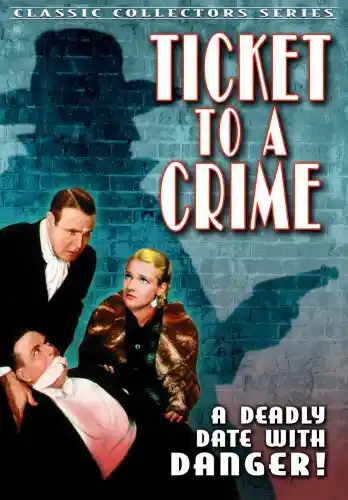
As a cultural artifact of the 1934s, Ticket to a Crime provides the global recognition that Lewis D. Collins garnered after the release of Ticket to a Crime. Elevating the source material through Lewis D. Collins's unique vision, it solidifies Lewis D. Collins's reputation as a master of the craft.
In Ticket to a Crime, Lewis D. Collins pushes the boundaries of conventional narrative. The film's unique approach to its subject matter has sparked endless debates and interpretations among cinephiles and critics alike.
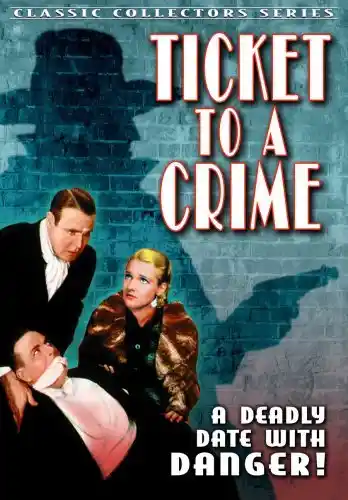
In this work, Lewis D. Collins explores the intersection of Comedy and United States cultural identity. The meticulous attention to detail suggests a deep-seated commitment to pushing the boundaries of the medium, ensuring that Ticket to a Crime remains a relevant topic of study for Comedy enthusiasts.
| Cinematography | Static |
| Soundtrack | Experimental |
| Editing | Invisible |
| Art Direction | Kitsch |
Visualizing the convergence of Lewis D. Collins's style and the core Comedy narrative.
A Man is found murdered at the Lido Country Club and, although several people are under suspicion, including Elaine and Willis Purdy, the police can not find the murderer; but private detective Clay Holt, and his pretty secretary Peggy Cummings unearth the vital clue and bring the killer to justice.
Decades after its release, Ticket to a Crime remains a vital piece of the cinematic puzzle. Its influence can be seen in countless modern works, solidifying Lewis D. Collins's status as a master of the craft in United States and beyond.