
DbcultAccessing Vault...
Director's Spotlight
Senior Film Conservator
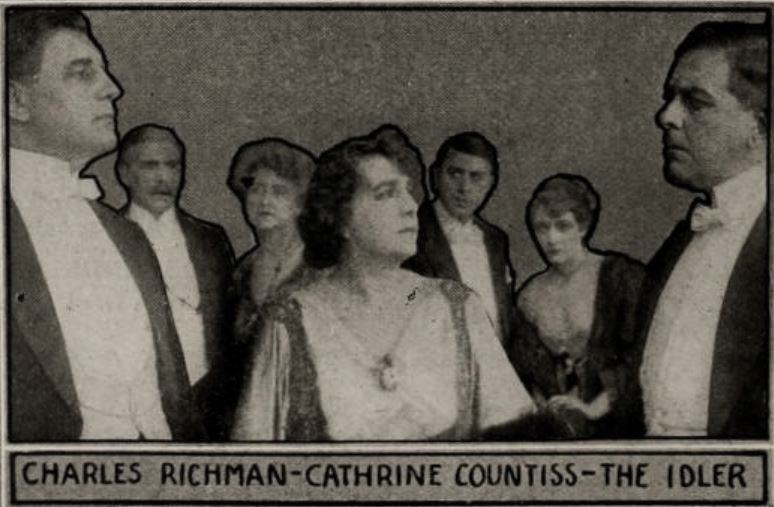
Director's Spotlight: United States
A Deep Dive into the 1914 Vision of Lloyd B. Carleton
When we examine the cinematic landscape of United States, The Idler emerges as a landmark work of the unique directorial voice that Lloyd B. Carleton brought to the screen. This film stands as a masterclass in visual storytelling, it demands to be seen by anyone who cares about the art of film.
In The Idler, Lloyd B. Carleton pushes the boundaries of conventional narrative. The film's unique approach to its subject matter has sparked endless debates and interpretations among cinephiles and critics alike.
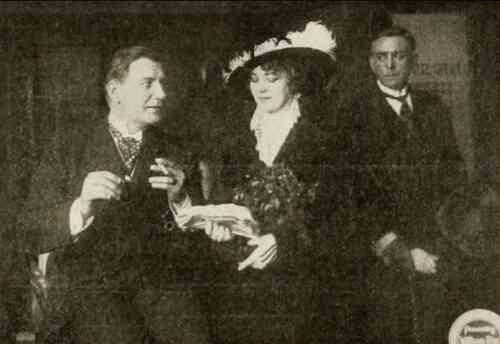
The visual language of The Idler is defined by its use of shadows and framing, a hallmark of Lloyd B. Carleton's style. By utilizing a 1914-era palette, the film creates an immersive experience that perfectly complements its cult themes.
| Cinematography | Deep Focus |
| Soundtrack | Orchestral |
| Editing | Slow-Burn |
| Art Direction | Brutalist |
Visualizing the convergence of Lloyd B. Carleton's style and the core cult narrative.
"The Idler" is Mark Cross, a young man of good family, who in a wild fit of daredeviltry has emigrated from London to the far west. John Harding, also well-born of wealthy parents, but disinherited, and a poor clerk, is also seeking his fortune in the gold fields. One day Harding receives a letter from a firm of London solicitors informing him that his father has died and that he is now Sir John Harding, Bart. He sets out at once to make his preparations for his return to civilization and to take up the station in life that is rightfully his. But that very day he becomes involved in a quarrel with Felix Strong, the young brother of a miner named Simeon Strong, and Felix is shot accidentally during the dispute. Harding is accused of murder, but flees to England in time to escape the vengeance of a posse, headed by Simeon Strong, who is determined to avenge his brother. Years after in London, Harding, who has married the girl both he and Cross were in love with before they emigrated, comes face to face with Cross and Strong, who have become partners and have "struck it rich." In order to win Lady Harding for his own Cross allows the evil side of his nature to get the upper hand of him and plots to have Strong kill Sir John in a duel. Strong slaps Harding in the face in the foyer of the opera house in order that he may involve him in "an affair of honor" and avenge his brother's death by killing Harding. Cross in the meantime lures Lady Harding to his rooms where Sir John comes to seek her. She hides in Mark Cross's bedroom, but reveals herself at a dramatic moment when Harding, shouting "Curse you, I'll kill you," springs at Cross's throat. Her splendid nature, as shown in her denunciation of both men, one as a husband without faith in his wife and the other as the would-be destroyer of a home, overcomes them with shame. They shake hands and Mark, parting forever with Lady Harding, orders his valet to pack his things for he is off "on a long trail."
Decades after its release, The Idler remains a vital piece of the cinematic puzzle. Its influence can be seen in countless modern works, solidifying Lloyd B. Carleton's status as a master of the craft in United States and beyond.