
DbcultAccessing Vault...
Director's Spotlight
Senior Film Conservator
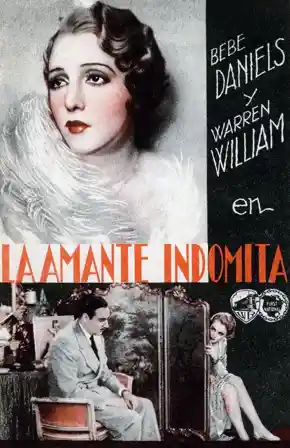
Director's Spotlight: United States
A Deep Dive into the 1931 Vision of Lloyd Bacon
Few works in United States cinema carry the same weight as Honor of the Family, especially regarding the technical innovation that Lloyd Bacon introduced to the Drama format. Subverting the expectations of the typical 1931 audience, it bridges the gap between traditional Drama and contemporary vision.
In Honor of the Family, Lloyd Bacon pushes the boundaries of conventional narrative. The film's unique approach to its subject matter has sparked endless debates and interpretations among cinephiles and critics alike.
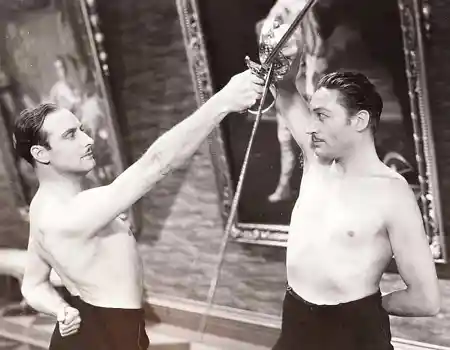
In this work, Lloyd Bacon explores the intersection of Drama and United States cultural identity. The meticulous attention to detail suggests a deep-seated commitment to pushing the boundaries of the medium, ensuring that Honor of the Family remains a relevant topic of study for Drama enthusiasts.
| Cinematography | Deep Focus |
| Soundtrack | Minimalist |
| Editing | Disjunctive |
| Art Direction | Baroque |
Visualizing the convergence of Lloyd Bacon's style and the core Drama narrative.
Honor of the Family is a 1931 American Pre-Code drama film released by First National Pictures (a subsidiary of Warner Bros.), starring Bebe Daniels and Warren William. It was based on the play by Emil Fabre, from the Honoré de Balzac novel, La Rabouilleuse. This was the talkie debut for Warren William who would become one of the major stars for Warner Brothers over the next five years. It also marked Dita Parlo's first English-speaking role.
Decades after its release, Honor of the Family remains a vital piece of the cinematic puzzle. Its influence can be seen in countless modern works, solidifying Lloyd Bacon's status as a master of the craft in United States and beyond.