
DbcultAccessing Vault...
Director's Spotlight
Senior Film Conservator
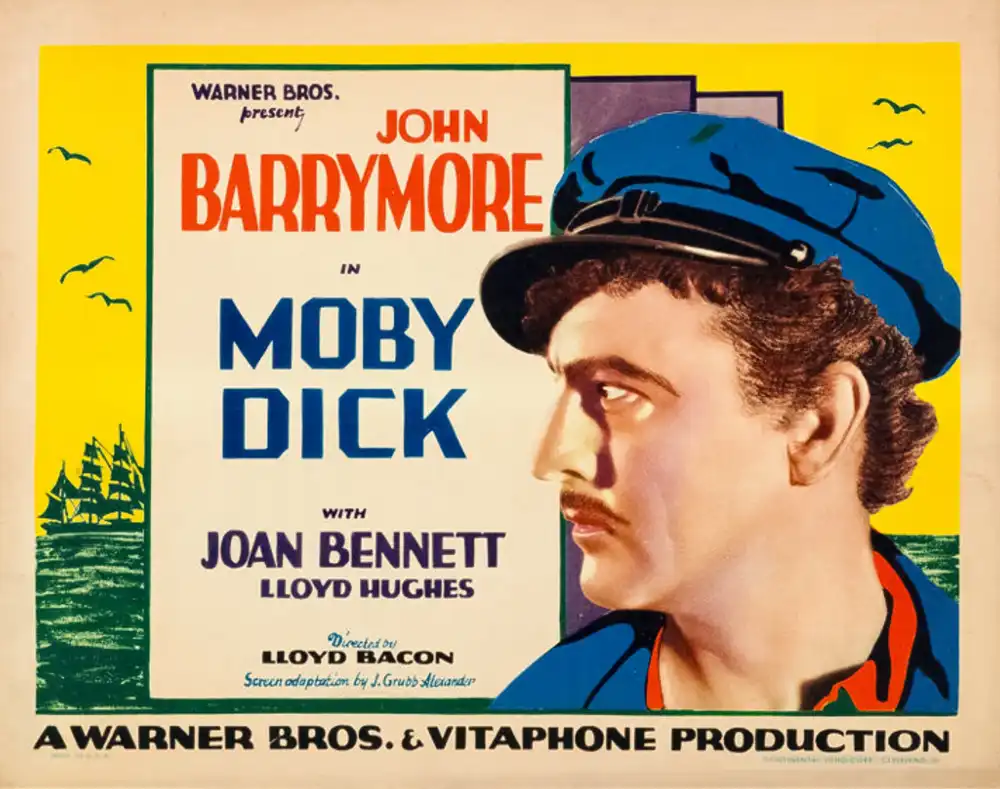
Director's Spotlight: United States
A Deep Dive into the 1930 Vision of Lloyd Bacon
As we revisit the 1930 masterpiece Moby Dick, we are struck by the atmospheric immersion that Lloyd Bacon achieves throughout Moby Dick. Exploring the nuances of the human condition with Drama flair, it solidifies Lloyd Bacon's reputation as a master of the craft.
In Moby Dick, Lloyd Bacon pushes the boundaries of conventional narrative. The film's unique approach to its subject matter has sparked endless debates and interpretations among cinephiles and critics alike.

To fully appreciate Moby Dick, one must consider the cinematic climate of 1930. During this period, United States was undergoing significant artistic shifts, and Lloyd Bacon was at the forefront of this Drama movement, often challenging established norms.
| Cinematography | Noir-Inspired |
| Soundtrack | Experimental |
| Editing | Invisible |
| Art Direction | Kitsch |
Visualizing the convergence of Lloyd Bacon's style and the core Drama narrative.
In this extremely loose adaptation of Melville's classic novel, Ahab is revealed initially not as a bitter and vengeful madman, but as a bit of a lovable scamp. Ashore in New Bedford, he meets and falls for Faith Mapple, daughter of the local minister and beloved of Ahab's brother Derek. Faith herself quickly returns Ahab's love, as Derek is drab and ignoble. On his next voyage, however, Ahab loses a leg to the monstrous white whale Moby-Dick. When upon his return to New Bedford he mistakenly believes Faith wants nothing to do with him because of his disfigurement, Ahab returns to sea with only one goal in mind -- to find and kill the great white whale.
Decades after its release, Moby Dick remains a vital piece of the cinematic puzzle. Its influence can be seen in countless modern works, solidifying Lloyd Bacon's status as a master of the craft in United States and beyond.