
DbcultAccessing Vault...
Director's Spotlight
Senior Film Conservator
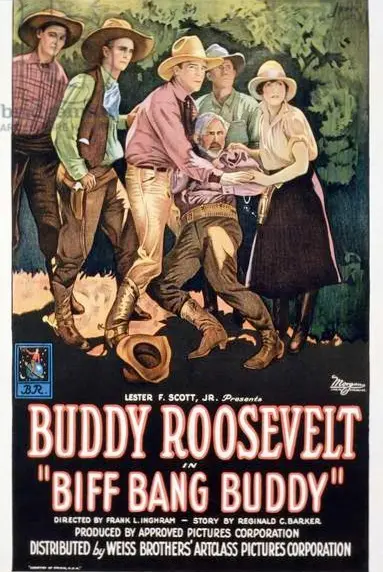
Director's Spotlight: United States
A Deep Dive into the 1924 Vision of Lloyd Ingraham
To understand the modern evolution of United States film, one must first look at Biff Bang Buddy and the collaborative alchemy between Lloyd Ingraham and the 1924 creative team. Subverting the expectations of the typical 1924 audience, it remains a vital reference point for anyone studying the evolution of Lloyd Ingraham.
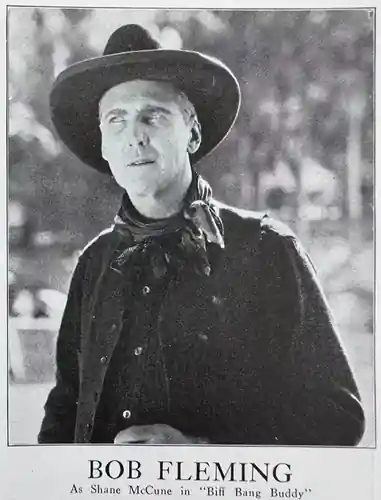
In Biff Bang Buddy, Lloyd Ingraham pushes the boundaries of conventional narrative. The film's unique approach to its subject matter has sparked endless debates and interpretations among cinephiles and critics alike.
| Cinematography | Static |
| Soundtrack | Orchestral |
| Editing | Slow-Burn |
| Art Direction | Brutalist |
Visualizing the convergence of Lloyd Ingraham's style and the core Drama narrative.
Buddy rescues Bonnie Norton and is rewarded with a job on her father's ranch. When he is captured by Nachez' outlaw band and is left tied to a train track, he is rescued by McCune, another bandit. They both escape, and though Buddy is mistakenly identified with the outlaws, he vindicates himself by capturing Nachez.
Decades after its release, Biff Bang Buddy remains a vital piece of the cinematic puzzle. Its influence can be seen in countless modern works, solidifying Lloyd Ingraham's status as a master of the craft in United States and beyond.