
DbcultAccessing Vault...
Director's Spotlight
Senior Film Conservator
Director's Spotlight: United States
A Deep Dive into the 1915 Vision of Lloyd Ingraham
In the grand tapestry of cult cinema, The Fox Woman serves as a bridge between the philosophical inquiries that Lloyd Ingraham embeds within the narrative. Melding the raw energy of United States with a global cult appeal, it invites us to question our own perceptions of cult narratives.
In The Fox Woman, Lloyd Ingraham pushes the boundaries of conventional narrative. The film's unique approach to its subject matter has sparked endless debates and interpretations among cinephiles and critics alike.
The visual language of The Fox Woman is defined by its use of shadows and framing, a hallmark of Lloyd Ingraham's style. By utilizing a 1915-era palette, the film creates an immersive experience that perfectly complements its cult themes.
| Cinematography | Noir-Inspired |
| Soundtrack | Synth-Heavy |
| Editing | Rhythmic |
| Art Direction | Naturalist |
Visualizing the convergence of Lloyd Ingraham's style and the core cult narrative.
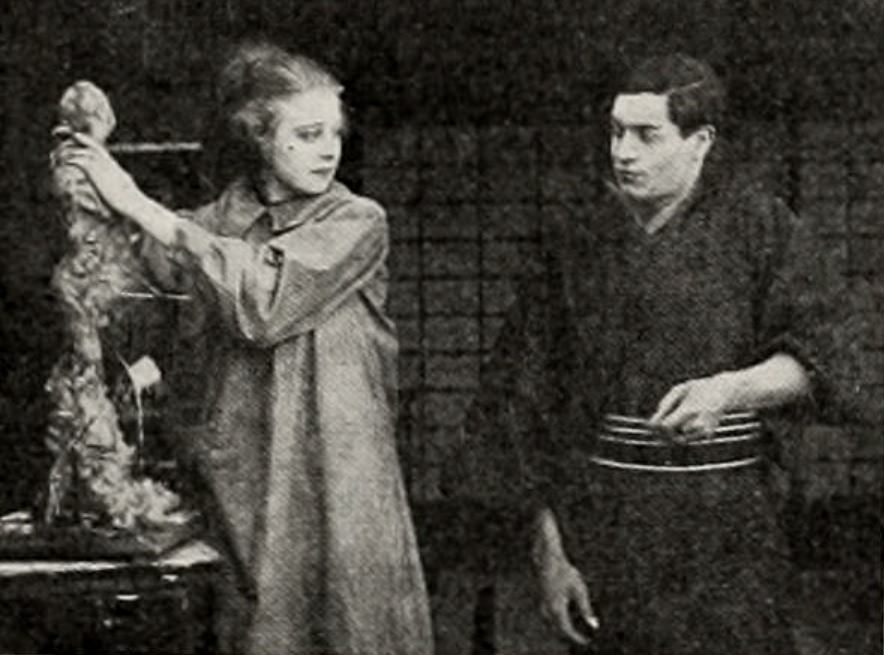
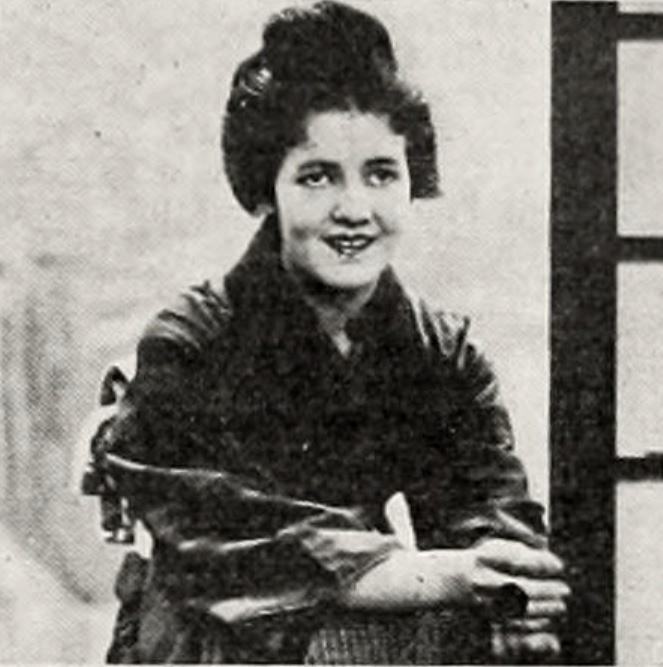
Hunchbacked Japanese artist Marashida, marries Jewel, the daughter of Yasakuj. Their happy married life is destroyed when the daughter of an American missionary, Alice Carroway, known as Ali-San, persuades Marashida to pose for her sculpture of the deformed god Ni-O. While Marashida's character gradually deforms, Yasakuji recognizes in Ali-San the traits of the legendary Fox Woman, who because she had no soul of her own, stole those of others, sometimes turning warriors into crazy beasts. After Jewel, to please Marashida, indulges Ali-San's demand that she be her "playmate," she suffers further humiliation when Ali-San makes her the servant in her father's mission. Finally, Jewel discards the American clothes she is made to wear and, dressed in her wedding robes, goes to her ancestors' tomb to commit harakiri. When Yasakuji climbs up Ali-San's balcony, and she sees his face in her mirror, she accidentally falls off the balcony to her death. Released from Ali-San's spell, Marashida takes Jewel's dagger from her, and they live happily again.
Decades after its release, The Fox Woman remains a vital piece of the cinematic puzzle. Its influence can be seen in countless modern works, solidifying Lloyd Ingraham's status as a master of the craft in United States and beyond.