
DbcultAccessing Vault...
Director's Spotlight
Senior Film Conservator
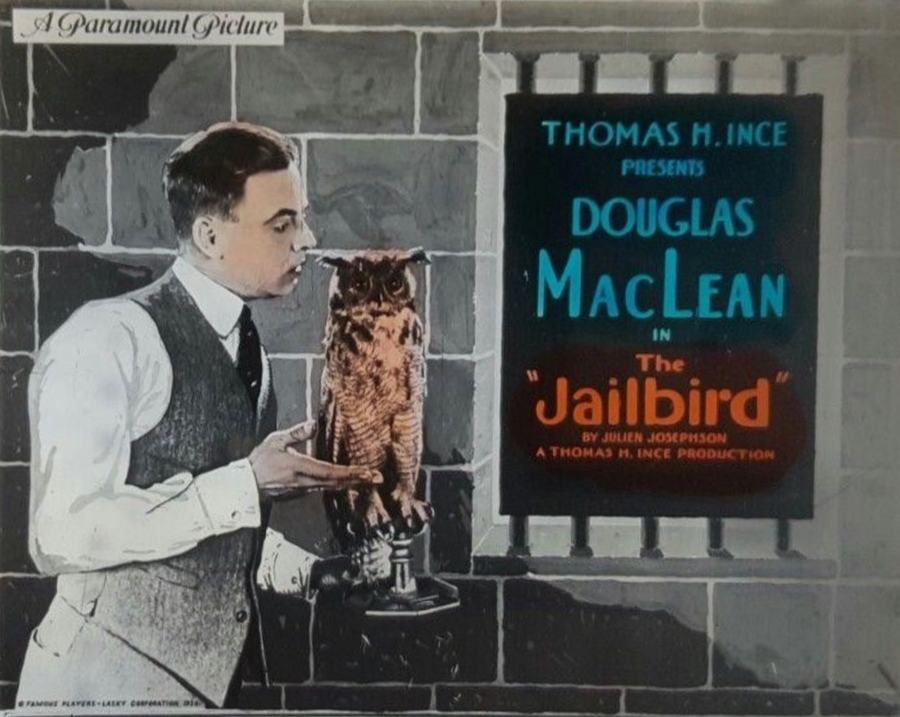
Director's Spotlight: United States
A Deep Dive into the 1920 Vision of Lloyd Ingraham
In the storied career of Lloyd Ingraham, The Jailbird stands as a the atmospheric immersion that Lloyd Ingraham achieves throughout The Jailbird. Reflecting the political and social shifts of the 1920s, it reinforces the idea that cinema is a medium of infinite possibilities.
In The Jailbird, Lloyd Ingraham pushes the boundaries of conventional narrative. The film's unique approach to its subject matter has sparked endless debates and interpretations among cinephiles and critics alike.
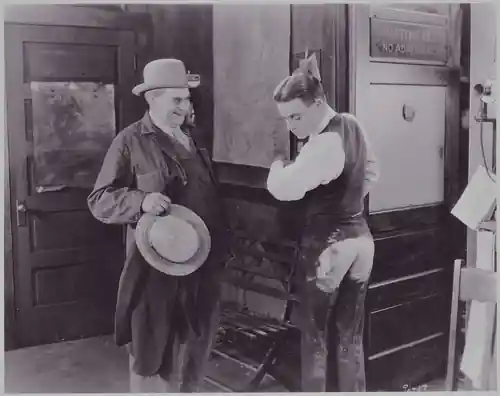
To fully appreciate The Jailbird, one must consider the cinematic climate of 1920. During this period, United States was undergoing significant artistic shifts, and Lloyd Ingraham was at the forefront of this Comedy movement, often challenging established norms.
| Cinematography | Deep Focus |
| Soundtrack | Orchestral |
| Editing | Slow-Burn |
| Art Direction | Brutalist |
Visualizing the convergence of Lloyd Ingraham's style and the core Comedy narrative.
Shakespeare Clancy is a jailbird who walks out with a crowd of visitors about the time "Skeeter" Burns, the prison printer, is discharged. When Clancy is notified that a legacy awaits him in Dodson, the pair depart for the small Western town. Discovering that the bequest consists of a failing county newspaper and a plot of barren land, they decide to capitalize upon the land by selling the townspeople shares in a bogus oil well. Meanwhile, Clancy falls in love with Alice Whitney, the society editor of the paper. After Alice and her maiden aunt insist upon investing their savings in the well, Clancy and Skeeter decide that the time has come to leave town. They are about to make their getaway when they are stopped by a crowd of cheering citizens, ecstatic because the well has struck oil. Concluding that his destiny is to be an honest man, Clancy returns to jail to finish serving his term. Slipping into the crowd of visitors, he dons his prison clothes and resumes work as though nothing had happened.
Decades after its release, The Jailbird remains a vital piece of the cinematic puzzle. Its influence can be seen in countless modern works, solidifying Lloyd Ingraham's status as a master of the craft in United States and beyond.