
DbcultAccessing Vault...
Director's Spotlight
Senior Film Conservator
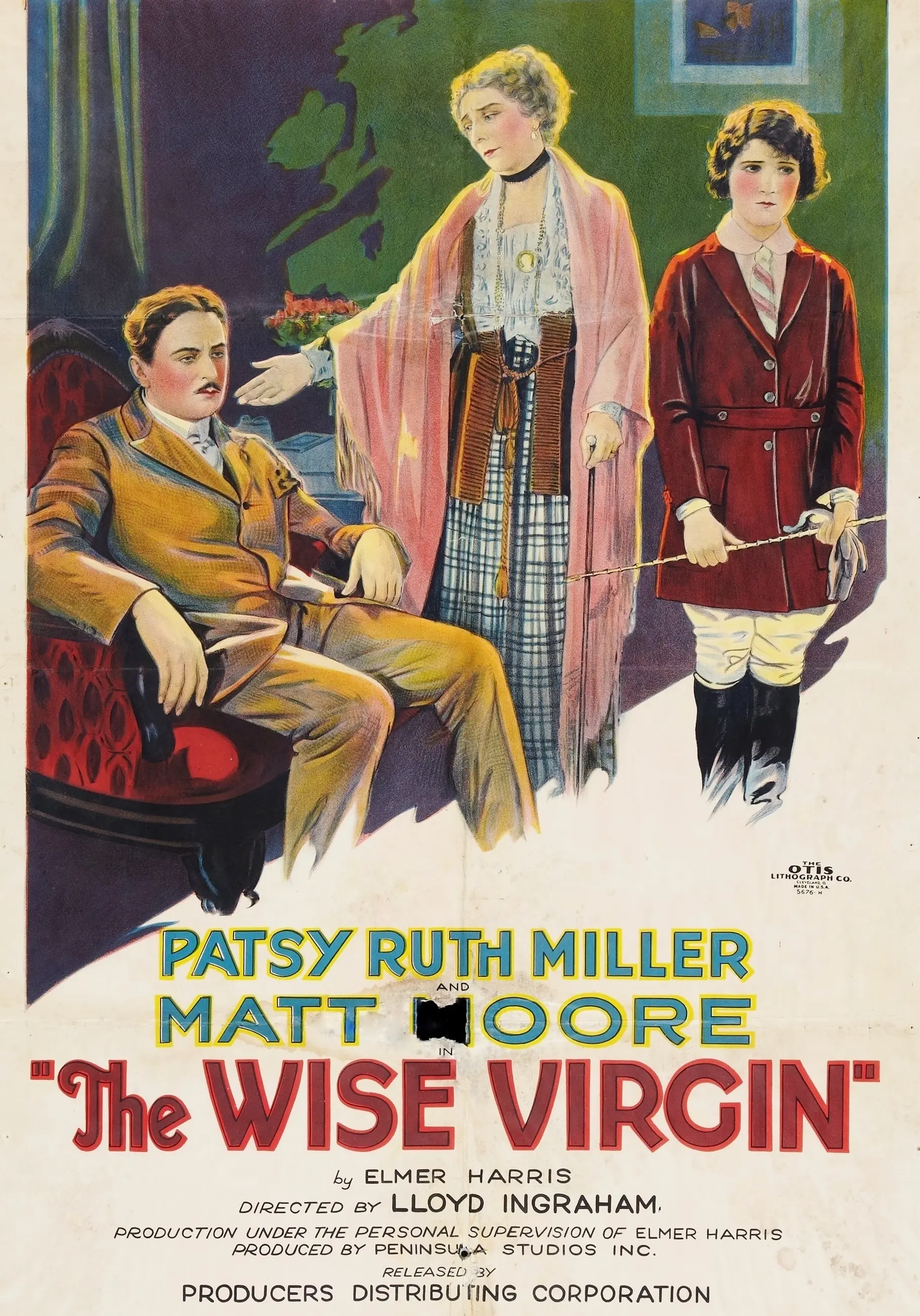
Director's Spotlight: United States
A Deep Dive into the 1924 Vision of Lloyd Ingraham
Analyzing The Wise Virgin (1924) requires a deep dive into the defining moment in Drama history that Lloyd Ingraham helped create. Defining a new era of United States artistic expression, it transcends regional boundaries to tell a universal story.
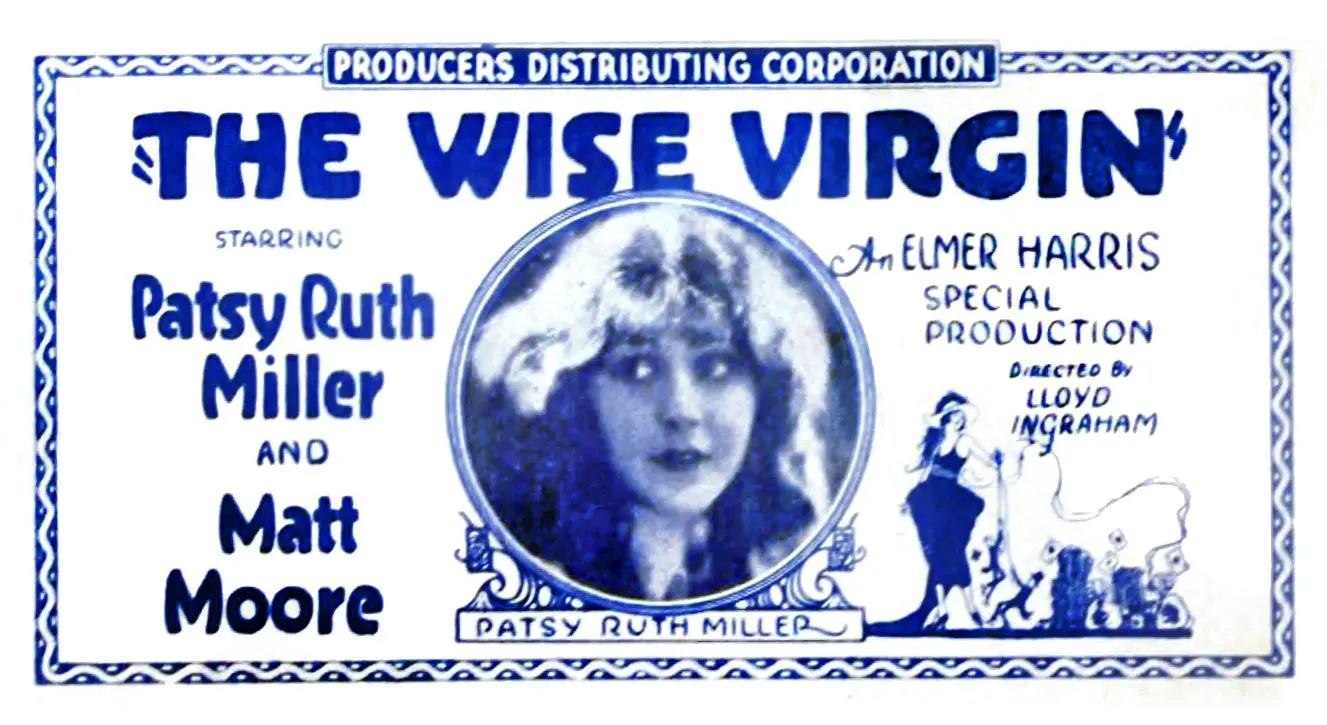
In The Wise Virgin, Lloyd Ingraham pushes the boundaries of conventional narrative. The film's unique approach to its subject matter has sparked endless debates and interpretations among cinephiles and critics alike.
| Cinematography | High-Contrast |
| Soundtrack | Experimental |
| Editing | Elliptical |
| Art Direction | Expressionist |
Visualizing the convergence of Lloyd Ingraham's style and the core Drama narrative.
Although Billie Farrington's aunt, Mrs. Farrington, wishes her to marry Farrington ranch foreman Bob Hanford, Billie refuses to be interested in anyone but Count Venino, a fake nobleman. Mrs. Farrington becomes seriously ill, and Billie weds Bob to please her aunt but treats him with chilly reserve. When Mrs. Farrington learns of Venino's masquerade and his half-caste birth, she gives a reception to which she invites Venino's Burmese mother. Billie runs away, is kidnapped by Venino, and then is rescued by Bob, whose rugged honesty Billie finally appreciates.
Decades after its release, The Wise Virgin remains a vital piece of the cinematic puzzle. Its influence can be seen in countless modern works, solidifying Lloyd Ingraham's status as a master of the craft in United States and beyond.