
DbcultAccessing Vault...
Director's Spotlight
Senior Film Conservator
Director's Spotlight: United States
A Deep Dive into the 1934 Vision of Lois Weber
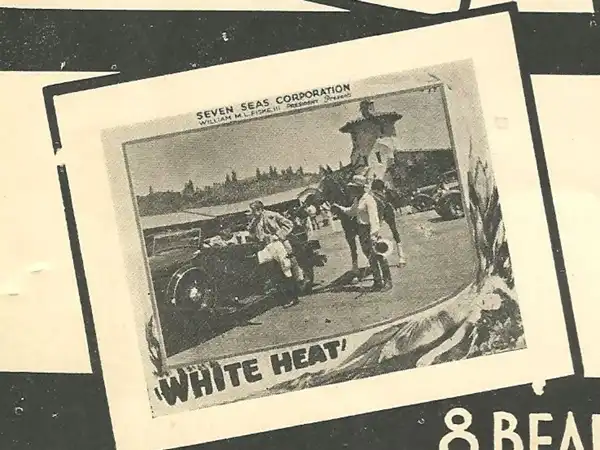
Deciphering the layers of White Heat (1934) reveals the complex thematic architecture established by Lois Weber. Utilizing a 1934-specific aesthetic that remains timeless, it stands as the definitive 1934 statement on Romance identity.
In White Heat, Lois Weber pushes the boundaries of conventional narrative. The film's unique approach to its subject matter has sparked endless debates and interpretations among cinephiles and critics alike.
To fully appreciate White Heat, one must consider the cinematic climate of 1934. During this period, United States was undergoing significant artistic shifts, and Lois Weber was at the forefront of this Romance movement, often challenging established norms.
| Cinematography | Static |
| Soundtrack | Minimalist |
| Editing | Slow-Burn |
| Art Direction | Brutalist |
Visualizing the convergence of Lois Weber's style and the core Romance narrative.
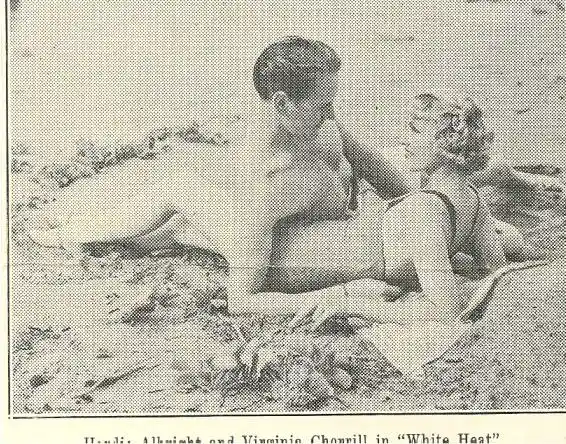
Plantation owner William Hawkes (David Newell) doesn't approve of the fact that most of the white men on the island have married, or are living with native girls. He doesn't approve of mixed marriages and is equally opposed to accepting the "gifts of love" offered to him by the native girls. One night, after several hours of hard drinking, he sees Leilani (Mona Maris) bathing on the beach, and he watches her until he can resist his craving no longer. He catches her in his arms and she willingly accepts his embraces. She comes to live with him and waits on him hand and foot. Hawkes goes to San Francisco for a planter's convention and, when he returns, brings back society girl Lucille Cheney (Virginia Cherrill) as his wife. Leilana is heart-broken, while Lucille becomes quickly bored with her husband and Hawaii. Her boredom ends when Chandler Morris (Hardie Albright) sails into port on his yacht and he and Lucille begin an affair. Hawks drinks to forget. He catches Lucille and Chandler together and a fight ensues, Lucille, in an effort, to save her lover throws a kerosene lamp into the ripe sugar cane and fire spreads in all directions.
Decades after its release, White Heat remains a vital piece of the cinematic puzzle. Its influence can be seen in countless modern works, solidifying Lois Weber's status as a master of the craft in United States and beyond.