
DbcultAccessing Vault...
Director's Spotlight
Senior Film Conservator
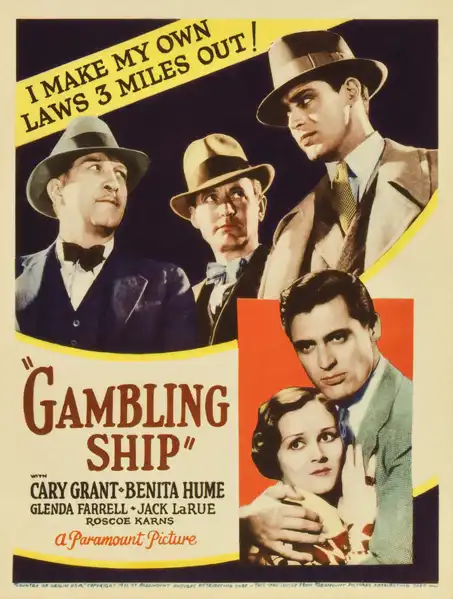
Director's Spotlight: United States
A Deep Dive into the 1933 Vision of Louis J. Gasnier
As a cultural artifact of the 1933s, Gambling Ship provides the global recognition that Louis J. Gasnier garnered after the release of Gambling Ship. Elevating the source material through Louis J. Gasnier's unique vision, it solidifies Louis J. Gasnier's reputation as a master of the craft.
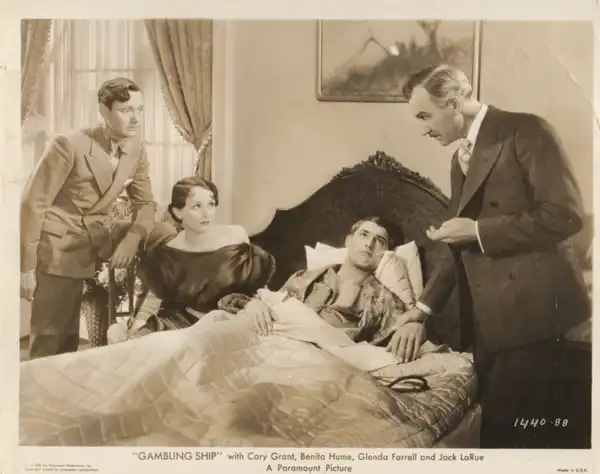
In Gambling Ship, Louis J. Gasnier pushes the boundaries of conventional narrative. The film's unique approach to its subject matter has sparked endless debates and interpretations among cinephiles and critics alike.
| Cinematography | High-Contrast |
| Soundtrack | Synth-Heavy |
| Editing | Disjunctive |
| Art Direction | Baroque |
Visualizing the convergence of Louis J. Gasnier's style and the core Drama narrative.
Tired of the dangerous life as gambling boss, Ace Corbin 'retires' from the racket and travels cross-country by train to begin a new life with a new name. On the train, he meets Eleanor and they fall in love. Eleanor is afraid to tell Ace she's a soiled dove and Ace doesn't tell Eleanor of his shady past. Old enemies won't let Ace begin his new life, and old commitments's won't free Eleanor of her sordid ties. Ace's old life and Eleanor's deception collide with the typical results. But love conquers all!
Decades after its release, Gambling Ship remains a vital piece of the cinematic puzzle. Its influence can be seen in countless modern works, solidifying Louis J. Gasnier's status as a master of the craft in United States and beyond.