
DbcultAccessing Vault...
Director's Spotlight
Senior Film Conservator
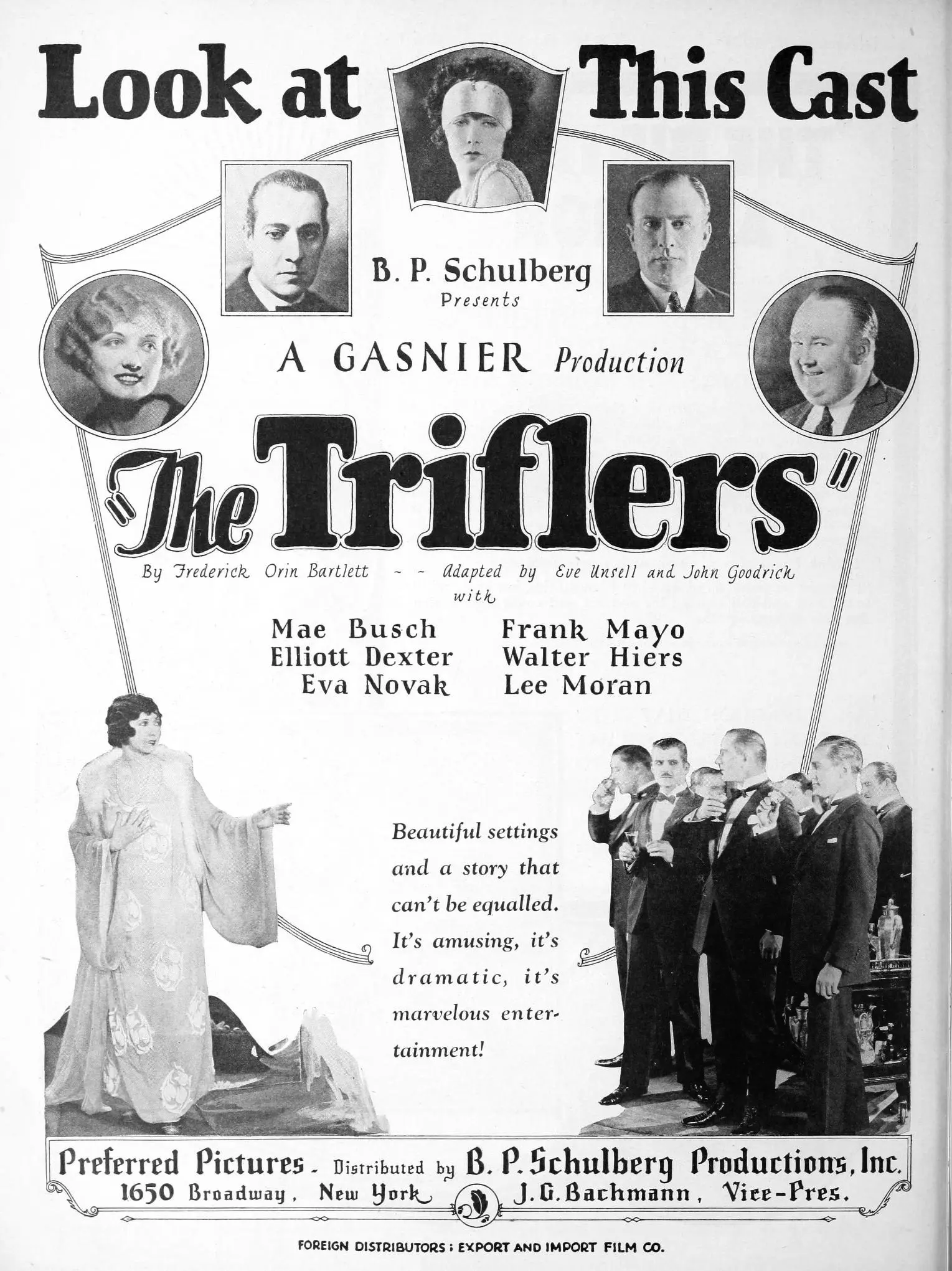
Director's Spotlight: United States
A Deep Dive into the 1924 Vision of Louis J. Gasnier
Deciphering the layers of The Triflers (1924) reveals the complex thematic architecture established by Louis J. Gasnier. Utilizing a 1924-specific aesthetic that remains timeless, it stands as the definitive 1924 statement on Drama identity.
In The Triflers, Louis J. Gasnier pushes the boundaries of conventional narrative. The film's unique approach to its subject matter has sparked endless debates and interpretations among cinephiles and critics alike.
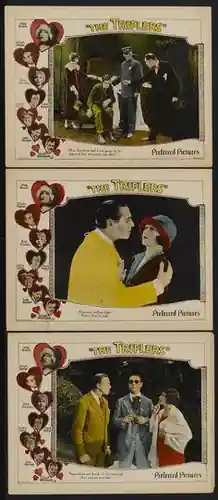
While deeply rooted in United States, The Triflers has achieved a global reach, influencing directors from various backgrounds. Its ability to translate Drama tropes into a universal cinematic language is why it remains a cult staple decades after its 1924 release.
| Cinematography | Deep Focus |
| Soundtrack | Orchestral |
| Editing | Invisible |
| Art Direction | Kitsch |
Visualizing the convergence of Louis J. Gasnier's style and the core Drama narrative.
Wealthy Marjorie Stockton marries Monte Covington to protect herself from several overeager suitors. While Monte treats the marriage lightly, Marjorie quickly falls in love with her new husband. Peter Noyes, another of Marjorie's suitors, is blinded and she takes pity on him. Monte mistakes Marjorie's attention to Peter as love and decides to leave her. Marjorie declares her love for Monte, and Peter, who has also misinterpreted her actions, shoots them both in a jealous rage. Fortunately for the couple, their wounds are not serious, and they look forward to a bright future together.
Decades after its release, The Triflers remains a vital piece of the cinematic puzzle. Its influence can be seen in countless modern works, solidifying Louis J. Gasnier's status as a master of the craft in United States and beyond.