
DbcultAccessing Vault...
Director's Spotlight
Senior Film Conservator
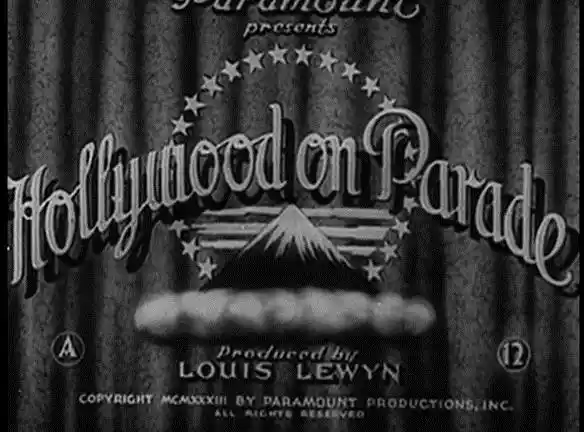
Director's Spotlight: United States
A Deep Dive into the 1933 Vision of Louis Lewyn
Peeling back the layers of Louis Lewyn's Hollywood on Parade No. A-12 exposes the technical innovation that Louis Lewyn introduced to the Short format. Driven by an uncompromising commitment to Short excellence, it stands as the definitive 1933 statement on Short identity.
In Hollywood on Parade No. A-12, Louis Lewyn pushes the boundaries of conventional narrative. The film's unique approach to its subject matter has sparked endless debates and interpretations among cinephiles and critics alike.
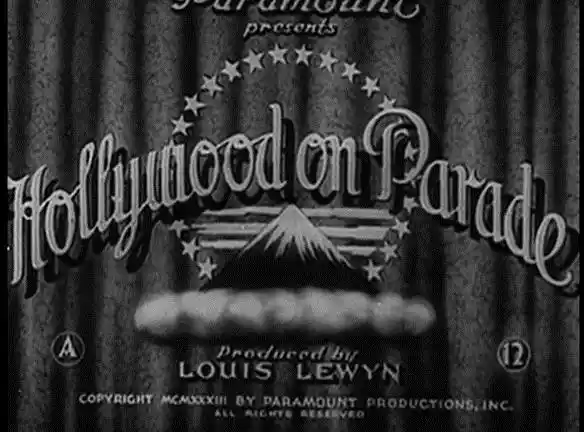
The visual language of Hollywood on Parade No. A-12 is defined by its use of shadows and framing, a hallmark of Louis Lewyn's style. By utilizing a 1933-era palette, the film creates an immersive experience that perfectly complements its Short themes.
| Cinematography | Deep Focus |
| Soundtrack | Orchestral |
| Editing | Slow-Burn |
| Art Direction | Brutalist |
Visualizing the convergence of Louis Lewyn's style and the core Short narrative.
In this short subject, performer Cliff Edwards introduces musical numbers and archival footage of various Hollywood stars, connecting them loosely with a "tribute" to theme songs -- none of which actually are theme songs. Clarence Muse performs a song of his own composition, and a mariachi band plays a musical tribute to Lupe Velez. Other footage shows the stars visiting the Caliente racetrack in Mexico.
Decades after its release, Hollywood on Parade No. A-12 remains a vital piece of the cinematic puzzle. Its influence can be seen in countless modern works, solidifying Louis Lewyn's status as a master of the craft in United States and beyond.