
DbcultAccessing Vault...
Director's Spotlight
Senior Film Conservator
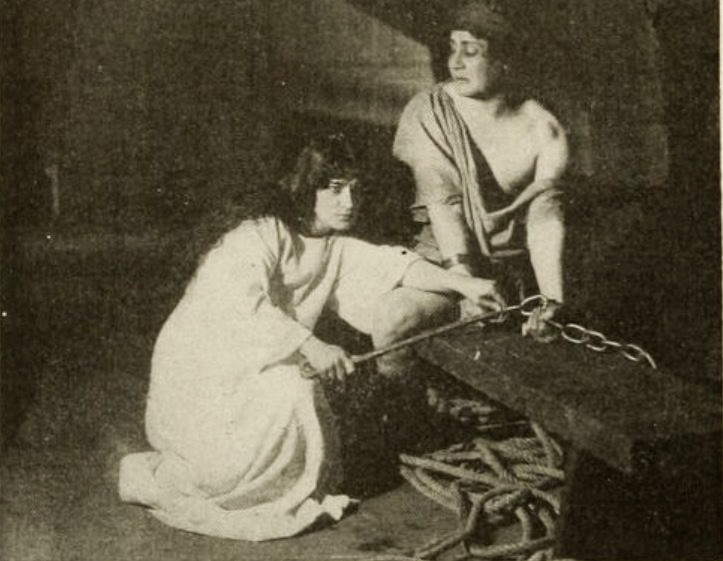
Director's Spotlight: Italy
A Deep Dive into the 1914 Vision of Luigi Maggi
The evocative power of The Destruction of Carthage stems from the unique collaboration between the bold experimentation that has become synonymous with Luigi Maggi. Framed by the hauntingly beautiful landscapes of the production, it echoes the profound changes occurring in Italy during that era.
In The Destruction of Carthage, Luigi Maggi pushes the boundaries of conventional narrative. The film's unique approach to its subject matter has sparked endless debates and interpretations among cinephiles and critics alike.
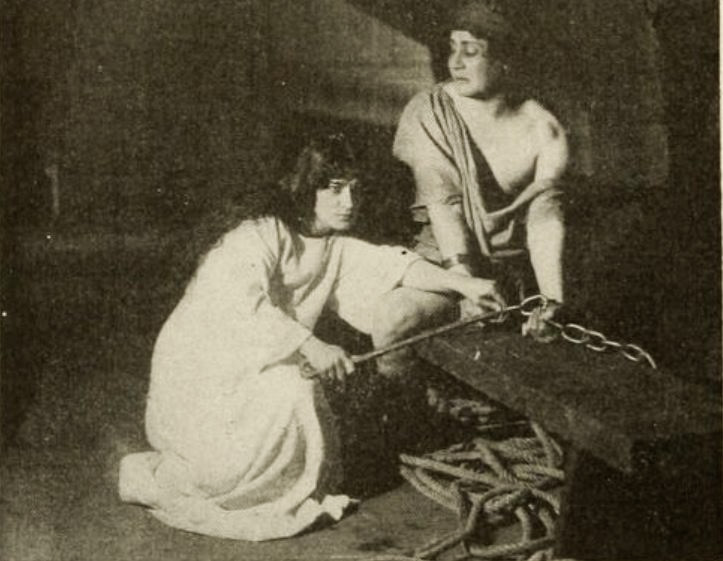
The visual language of The Destruction of Carthage is defined by its use of shadows and framing, a hallmark of Luigi Maggi's style. By utilizing a 1914-era palette, the film creates an immersive experience that perfectly complements its cult themes.
| Cinematography | Handheld |
| Soundtrack | Synth-Heavy |
| Editing | Rhythmic |
| Art Direction | Naturalist |
Visualizing the convergence of Luigi Maggi's style and the core cult narrative.
In ancient times Rome looked upon Carthage as her greatest rival, and determined to plan her downfall. Cato, a Roman Senator, appealed to the Senate to conquer Carthage, and under a pretext that she had failed to keep faith, the Romans began a new war. The Roman army embarked for Africa and landed near Carthage. (This ends the prologue.) Markia, daughter of General Astrubal, Governor of Carthage, asks permission of Zaniah, her stepmother, to visit the Temple outside the town, which is refused, but Astrubal intercedes and consents to Markia's doing so. Mobi, Astrubal's spy, brings news to him of the triumphant advance of the Romans on African soil, and from the walls of the city they watch the retreat of the Carthaginian army commanded by General Annon. Astrubal, ambitious to become the dictator, conspires to cause the downfall of Annon, and induces the city council to bar the mercenary troops from the town, fearing disorder and plundering. Messengers are dispatched to the warriors with this command, and they rebel, but Annon calms them by promising to present their grievances. In the meantime, Astrubal denounces Annon, and upon the latter's appearance in the Senate he is assassinated. Upon returning from the Temple, Markia is abducted by some of Annon's warriors, but Sirabas, his lieutenant, releases her and escorts her to the city. The impatient warriors start an uproar outside the city, but Astrubal calms them, consenting to receive a deputation with their grievances. Sirabas heads the delegation and is received by Astrubal, who apparently yields to the soldiers' request. Upon beholding Sirabas, Markia's stepmother, falls in love with him. Astrubal entertains his warriors in the banquet hall, but plans a massacre that night by his bodyguard, who secretly enter the palace. Zamah, Astrubal's wife, tries to save Sirabas by summoning him to her chamber. While there he hears the clamor of the fight and realizes the treachery of Astrubal. Sirabas escapes from the town and carries the news of the massacre to the waiting warriors. Markia, who had seen Sirabas leave the chamber of Zamah, has lost faith in him and seeks seclusion in the Temple. Sirabas and his soldiers join the Romans, who, headed by young Scipio, receive him with open arms. Preparations are made for the siege of the city. Astrubal's bodyguard sallies forth and captures Sirabas and a Roman outpost. Markia begs her father to save Sirabas and her plea is successful. She repulses him, however, and he determines to seek an explanation. Later he meets her in the sacred garden and convinces her of the truth. While trying to escape from the garden Sirabas is taken prisoner and Zamah has him sentenced to galley-slavery, and he is chained in the hold of a ship. The town is attacked by the Roman legions and conquered. Astrubal deserts his followers and flees to his galleys with his daughter. Zamah, however, refuses to desert the palace and dies a heroic death. The Roman fleet pursues Astrubal's galleys and defeats them, Astrubal being killed in the melee. Markia discovers Sirabas chained in the ship's hold, and succeeds in breaking the chain. Sirabas in turn rescues Markia from the raging flames and, throwing her overboard, jumps after her, leaving the galley to burn to the water's edge. Both lovers succeed in reaching the shore and are reunited once more.
Decades after its release, The Destruction of Carthage remains a vital piece of the cinematic puzzle. Its influence can be seen in countless modern works, solidifying Luigi Maggi's status as a master of the craft in Italy and beyond.