
DbcultAccessing Vault...
Director's Spotlight
Senior Film Conservator
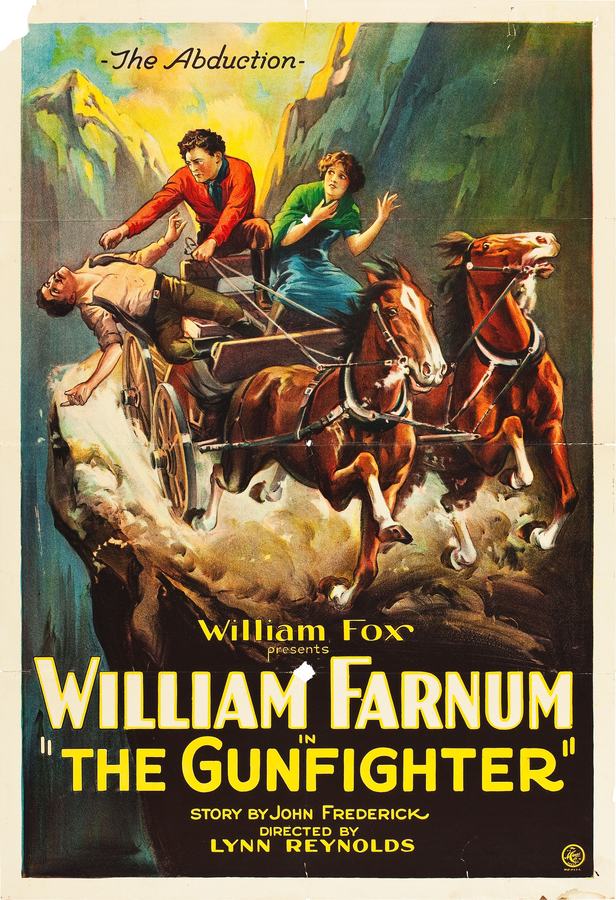
Director's Spotlight: United States
A Deep Dive into the 1923 Vision of Lynn Reynolds
As a cultural artifact of the 1923s, The Gunfighter provides the global recognition that Lynn Reynolds garnered after the release of The Gunfighter. Elevating the source material through Lynn Reynolds's unique vision, it solidifies Lynn Reynolds's reputation as a master of the craft.
In The Gunfighter, Lynn Reynolds pushes the boundaries of conventional narrative. The film's unique approach to its subject matter has sparked endless debates and interpretations among cinephiles and critics alike.
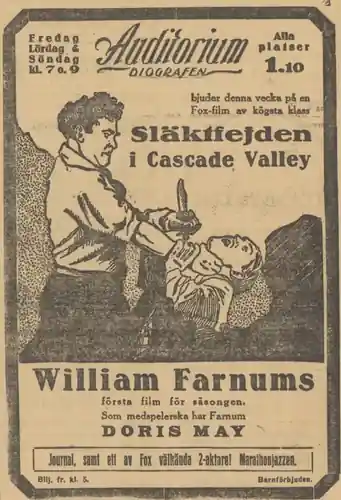
To fully appreciate The Gunfighter, one must consider the cinematic climate of 1923. During this period, United States was undergoing significant artistic shifts, and Lynn Reynolds was at the forefront of this Western movement, often challenging established norms.
| Cinematography | High-Contrast |
| Soundtrack | Orchestral |
| Editing | Invisible |
| Art Direction | Kitsch |
Visualizing the convergence of Lynn Reynolds's style and the core Western narrative.
Two mountain families, the Benchleys and the Camps, are in the midst of a bitter feud, which started when patriarch Lew Camp found out that his daughter Nell was taken from her mother to replace a child in the Benchley family that had died. For years the Camps have been trying to get Nell back, unsuccessfully. Then one day a stranger, Billy Buell, arrives in the community and things start to change.
Decades after its release, The Gunfighter remains a vital piece of the cinematic puzzle. Its influence can be seen in countless modern works, solidifying Lynn Reynolds's status as a master of the craft in United States and beyond.