
DbcultAccessing Vault...
Director's Spotlight
Senior Film Conservator
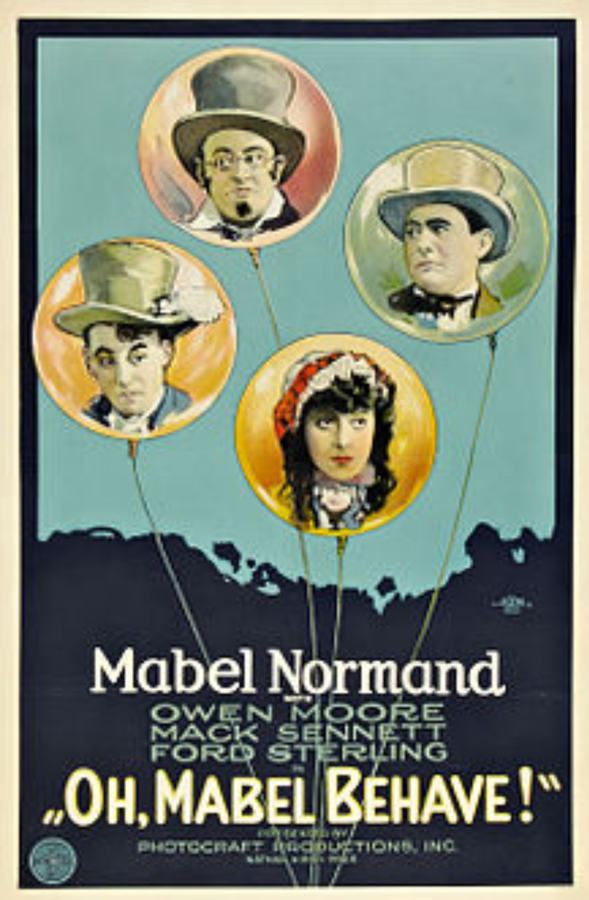
Director's Spotlight: United States
A Deep Dive into the 1922 Vision of Mack Sennett
Peeling back the layers of Mack Sennett's Oh, Mabel Behave exposes the collaborative alchemy between Mack Sennett and the 1922 creative team. Anchored by a narrative that is both personal and universal, it reinforces the idea that cinema is a medium of infinite possibilities.
In Oh, Mabel Behave, Mack Sennett pushes the boundaries of conventional narrative. The film's unique approach to its subject matter has sparked endless debates and interpretations among cinephiles and critics alike.
The visual language of Oh, Mabel Behave is defined by its use of shadows and framing, a hallmark of Mack Sennett's style. By utilizing a 1922-era palette, the film creates an immersive experience that perfectly complements its Comedy themes.
| Cinematography | Static |
| Soundtrack | Minimalist |
| Editing | Slow-Burn |
| Art Direction | Brutalist |
Visualizing the convergence of Mack Sennett's style and the core Comedy narrative.
Squire Peachem used the mortgage he holds on the innkeeper's property as a lever to win his daughter, but the daughter cannot see it that way as she loves a young swell, Randolph Roanoke. The squire, with the aid of his trusty but ignorant henchman, Blaa Blaa, seeks to sidetrack Roanoke which leads to complications, but how poorly he succeeds and how the daughter brings things around so that she has her own way furnishes the action for the burlesque which contains fights, a comedy duel, stunts and thrills.
Decades after its release, Oh, Mabel Behave remains a vital piece of the cinematic puzzle. Its influence can be seen in countless modern works, solidifying Mack Sennett's status as a master of the craft in United States and beyond.