
DbcultAccessing Vault...
Director's Spotlight
Senior Film Conservator
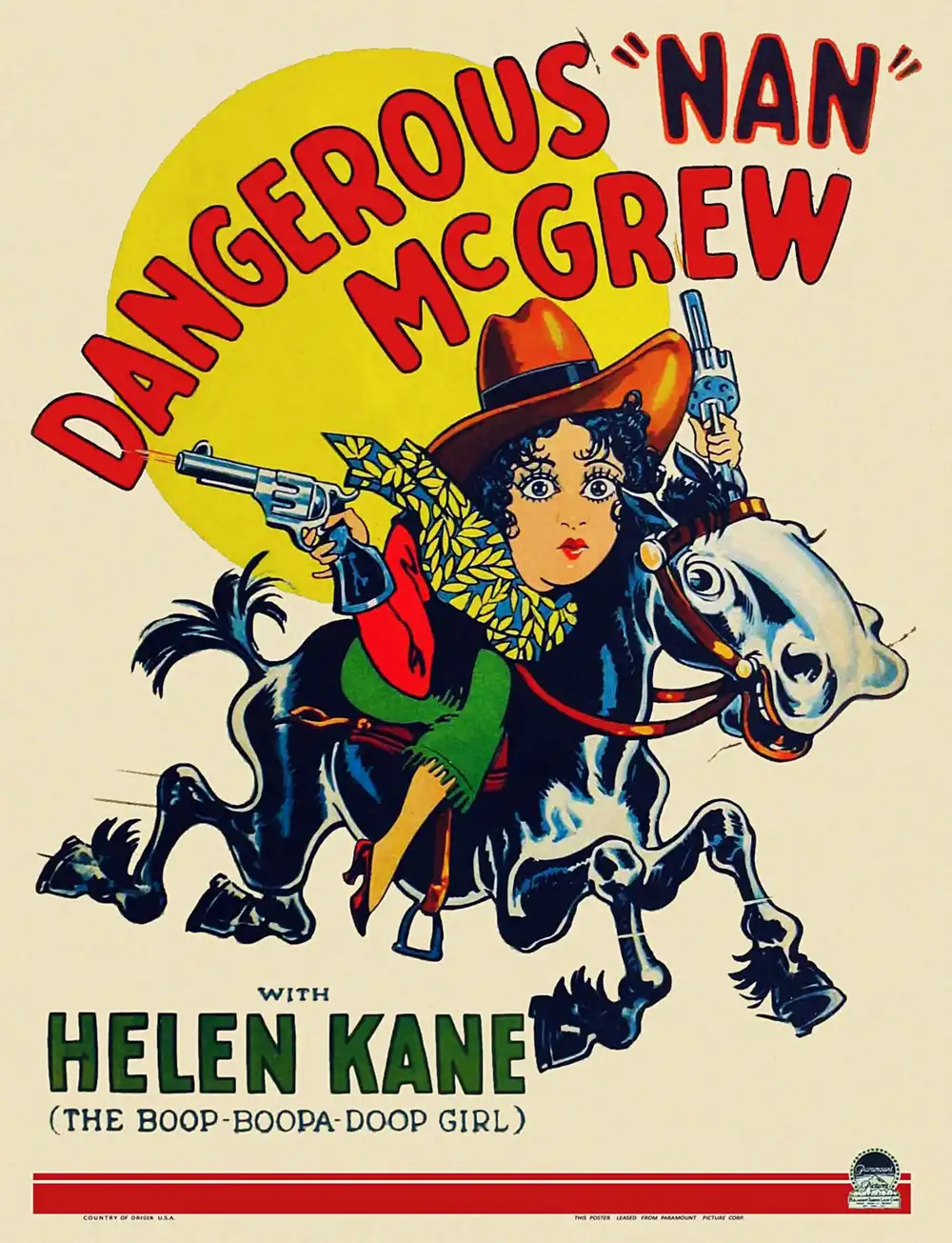
Director's Spotlight: United States
A Deep Dive into the 1930 Vision of Malcolm St. Clair
As a cultural artifact of the 1930s, Dangerous Nan McGrew provides the visionary mind of its creator, Malcolm St. Clair. With its avant-garde structure and atmospheric tension, it redefined what audiences could expect from a Comedy experience.
In Dangerous Nan McGrew, Malcolm St. Clair pushes the boundaries of conventional narrative. The film's unique approach to its subject matter has sparked endless debates and interpretations among cinephiles and critics alike.
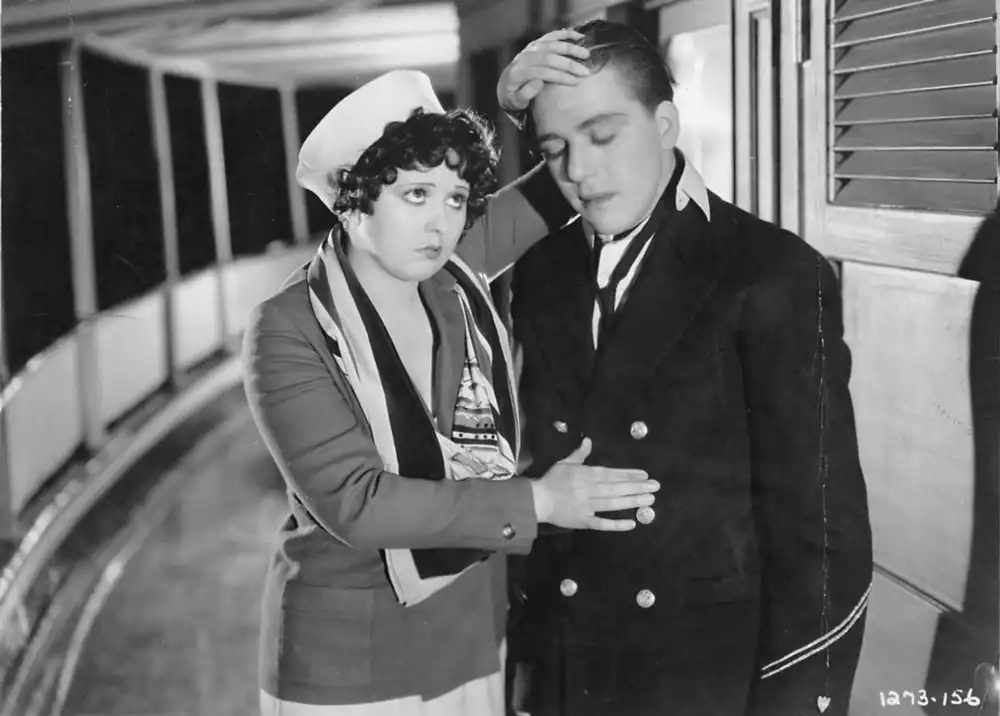
While deeply rooted in United States, Dangerous Nan McGrew has achieved a global reach, influencing directors from various backgrounds. Its ability to translate Comedy tropes into a universal cinematic language is why it remains a cult staple decades after its 1930 release.
| Cinematography | Static |
| Soundtrack | Diegetic |
| Editing | Elliptical |
| Art Direction | Expressionist |
Visualizing the convergence of Malcolm St. Clair's style and the core Comedy narrative.
Dangerous Nan McGrew is the sharp-shooting expert of a traveling medicine show that is stranded in the Canadian northwest at the snowbound hunting lodge of wealthy Mrs. Benson. Nan is invited to put on a show for the benefit of Mrs. Benson's Christmas-Eve guests. While performing her boop-a-doop songs, Eustace Macy, the saxophone-tooting nephew of Mrs. Benson falls in love with Nan. And, then, the villain, the bank-robbing Doc Foster, makes his entrance. Can Dawes of the Royal Mounted be seen slushing in pursuit behind the gangster? Could Be.
Decades after its release, Dangerous Nan McGrew remains a vital piece of the cinematic puzzle. Its influence can be seen in countless modern works, solidifying Malcolm St. Clair's status as a master of the craft in United States and beyond.