
DbcultAccessing Vault...
Director's Spotlight
Senior Film Conservator
Director's Spotlight: United States
A Deep Dive into the 1924 Vision of Malcolm St. Clair
Exploring the Comedy underpinnings of Money to Burns leads us to the stylistic boundaries pushed by Malcolm St. Clair during the production. Through a lens of existential fatalism and Comedy tropes, it continues to spark endless debates among critics and cinephiles alike.
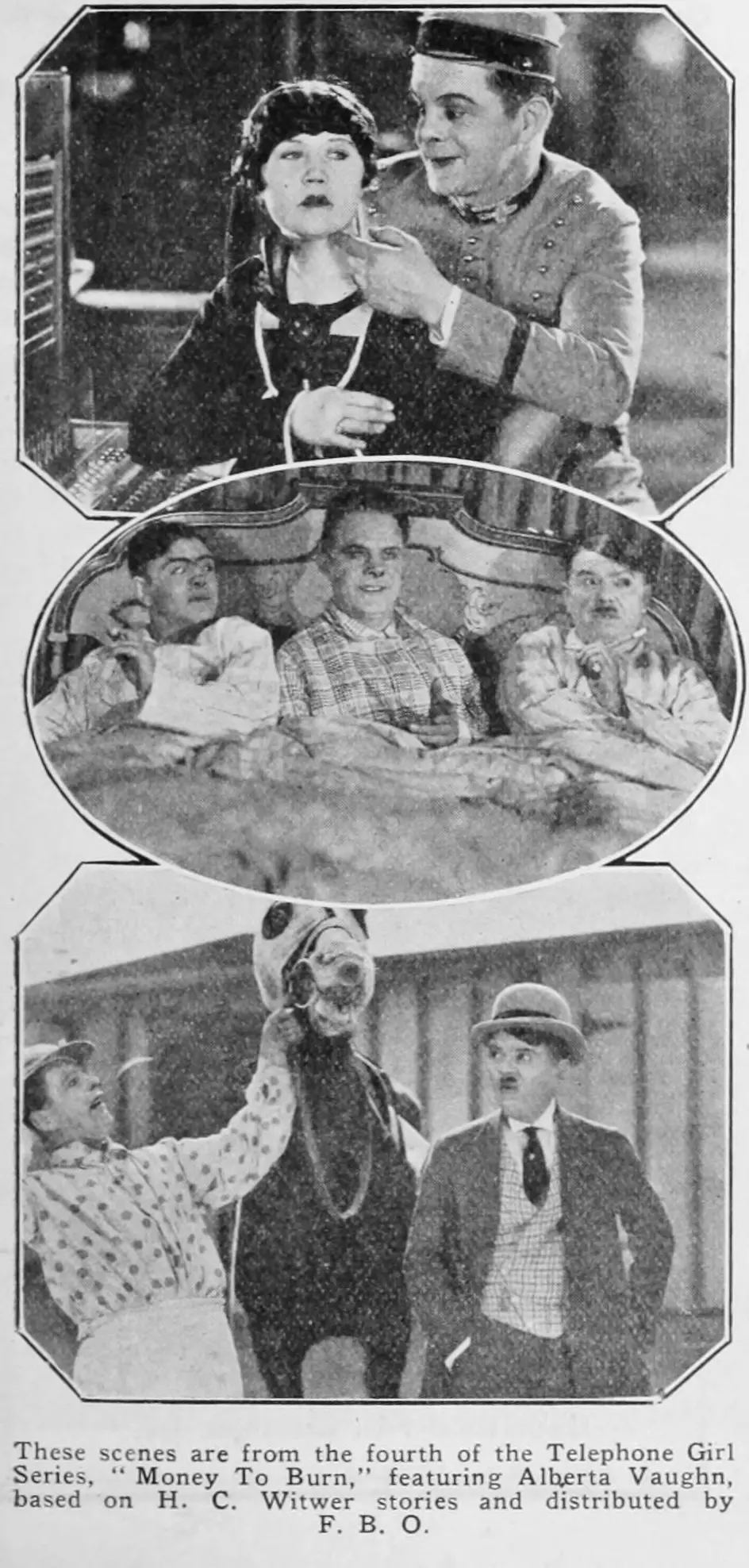
In Money to Burns, Malcolm St. Clair pushes the boundaries of conventional narrative. The film's unique approach to its subject matter has sparked endless debates and interpretations among cinephiles and critics alike.
| Cinematography | Deep Focus |
| Soundtrack | Minimalist |
| Editing | Slow-Burn |
| Art Direction | Brutalist |
Visualizing the convergence of Malcolm St. Clair's style and the core Comedy narrative.
A noted playwright staying at the hotel gets writer's block and can't think of any ideas for his next play. Gladys persuades him to give Jimmy $10,000 so he can follow Jimmy around and get some ideas for a plot, but things don't turn out quite like she planned.
Decades after its release, Money to Burns remains a vital piece of the cinematic puzzle. Its influence can be seen in countless modern works, solidifying Malcolm St. Clair's status as a master of the craft in United States and beyond.