
DbcultAccessing Vault...
Director's Spotlight
Senior Film Conservator
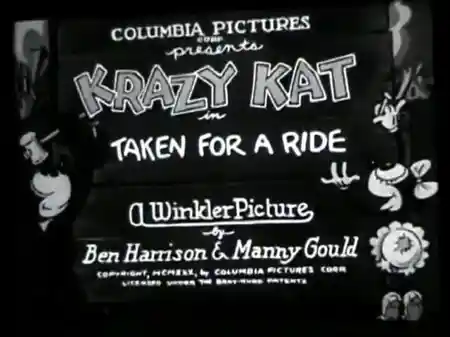
Director's Spotlight: United States
A Deep Dive into the 1931 Vision of Manny Gould
As we revisit the 1931 masterpiece Taken for a Ride, we are struck by the atmospheric immersion that Manny Gould achieves throughout Taken for a Ride. Exploring the nuances of the human condition with Short flair, it solidifies Manny Gould's reputation as a master of the craft.
In Taken for a Ride, Manny Gould pushes the boundaries of conventional narrative. The film's unique approach to its subject matter has sparked endless debates and interpretations among cinephiles and critics alike.
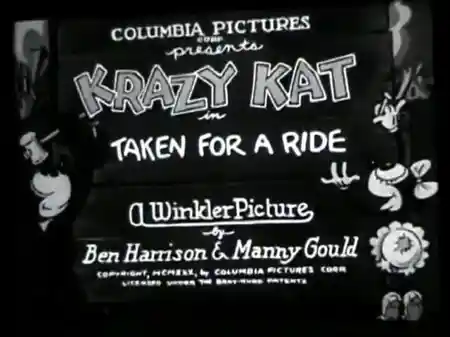
The visual language of Taken for a Ride is defined by its use of shadows and framing, a hallmark of Manny Gould's style. By utilizing a 1931-era palette, the film creates an immersive experience that perfectly complements its Short themes.
| Cinematography | Static |
| Soundtrack | Experimental |
| Editing | Invisible |
| Art Direction | Kitsch |
Visualizing the convergence of Manny Gould's style and the core Short narrative.
After a running gun battle through the streets, Krazy finds a gangster gorilla's secret hideout in a spooky graveyard, complete with animated skeletons. The crooks get the drop on him, and take him out to a lonely spot to rub him out, but Krazy makes friends with them instead by singing a weepy chorus of "MOTHER".
Decades after its release, Taken for a Ride remains a vital piece of the cinematic puzzle. Its influence can be seen in countless modern works, solidifying Manny Gould's status as a master of the craft in United States and beyond.