
DbcultAccessing Vault...
Director's Spotlight
Senior Film Conservator
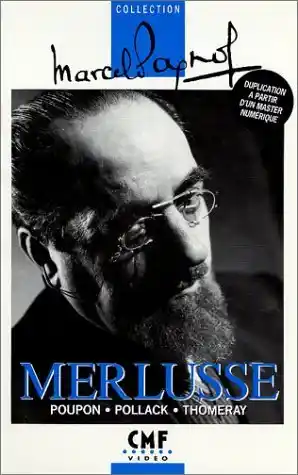
Director's Spotlight: France
A Deep Dive into the 1935 Vision of Marcel Pagnol
Analyzing Merlusse (1935) requires a deep dive into the unique directorial voice that Marcel Pagnol brought to the screen. By challenging the status quo of 1935 cinema, it continues to spark endless debates among critics and cinephiles alike.
In Merlusse, Marcel Pagnol pushes the boundaries of conventional narrative. The film's unique approach to its subject matter has sparked endless debates and interpretations among cinephiles and critics alike.
While deeply rooted in France, Merlusse has achieved a global reach, influencing directors from various backgrounds. Its ability to translate Comedy tropes into a universal cinematic language is why it remains a cult staple decades after its 1935 release.
| Cinematography | High-Contrast |
| Soundtrack | Synth-Heavy |
| Editing | Rhythmic |
| Art Direction | Naturalist |
Visualizing the convergence of Marcel Pagnol's style and the core Comedy narrative.
A strict, unpopular teacher supervises a group of students stuck at boarding school during Christmas break. Despite their mutual dislike and pranks, an unexpected Christmas morning changes everything.
Decades after its release, Merlusse remains a vital piece of the cinematic puzzle. Its influence can be seen in countless modern works, solidifying Marcel Pagnol's status as a master of the craft in France and beyond.