
DbcultAccessing Vault...
Director's Spotlight
Senior Film Conservator
Director's Spotlight: United States
A Deep Dive into the 1929 Vision of Marcel Silver
Analyzing The Belle of Samoa (1929) requires a deep dive into the unique directorial voice that Marcel Silver brought to the screen. By challenging the status quo of 1929 cinema, it continues to spark endless debates among critics and cinephiles alike.
In The Belle of Samoa, Marcel Silver pushes the boundaries of conventional narrative. The film's unique approach to its subject matter has sparked endless debates and interpretations among cinephiles and critics alike.
| Cinematography | High-Contrast |
| Soundtrack | Experimental |
| Editing | Invisible |
| Art Direction | Kitsch |
Visualizing the convergence of Marcel Silver's style and the core Short narrative.
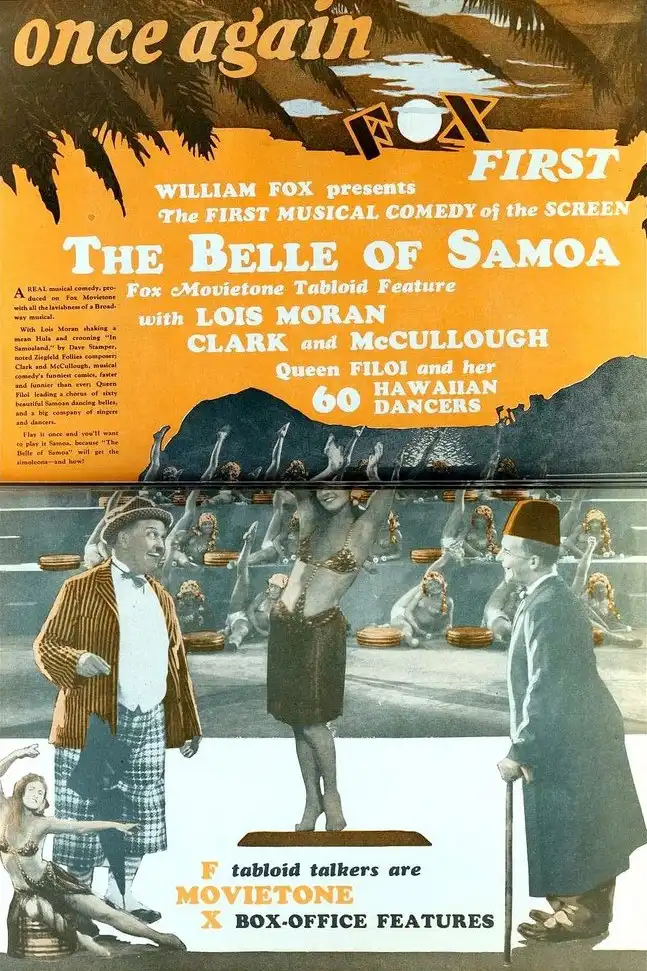
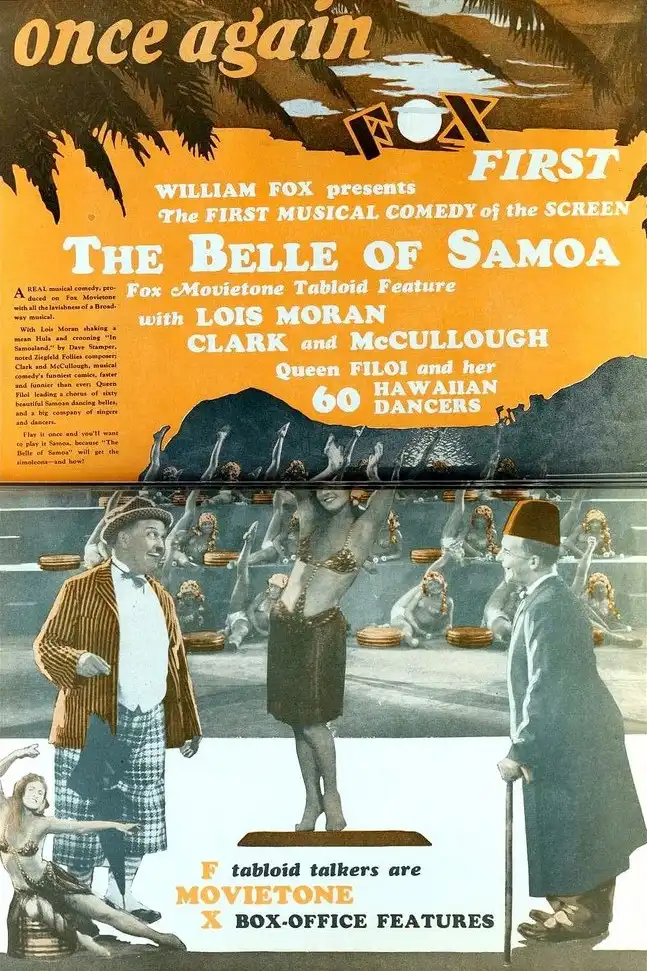
Clark and McCullogh, come to a Samoan temple where all the beautiful maidens are kept. They trick the guard at the door get inside, heedless of a death threat. Inside, they meet the tribal chief's daughter (Lois Moran), and Clark flirts with her a bit, then all run upstage. Another set is revealed, and a troupe of (real) Polynesian natives (Filoi and Her Samoan Dancers) do their stuff, first a Hula dancer, then a men's precision sword-tossing routine. The Chief appears with soldiers, holding the boys for invading their temple, and prepares a chopping block. The Chief's daughter, begs if she could have them as a Christmas presents, and they are spared. Then, she sings "My Samoa", with a bevy of chorus girls behind her. As the number finishes, a full shot of the stage has the boys run back and all line up for the ending, looking, perhaps intentionally, like the finale in a stage show.
Decades after its release, The Belle of Samoa remains a vital piece of the cinematic puzzle. Its influence can be seen in countless modern works, solidifying Marcel Silver's status as a master of the craft in United States and beyond.