
DbcultAccessing Vault...
Director's Spotlight
Senior Film Conservator
Director's Spotlight: Slovakia
A Deep Dive into the 1930 Vision of Martin Frič
To understand the modern evolution of Slovakia film, one must first look at Chudá holka and the meticulous attention to detail that Martin Frič applied to every frame. Reflecting the political and social shifts of the 1930s, it showcases the power of Drama as a tool for social commentary.
In Chudá holka, Martin Frič pushes the boundaries of conventional narrative. The film's unique approach to its subject matter has sparked endless debates and interpretations among cinephiles and critics alike.
| Cinematography | Handheld |
| Soundtrack | Orchestral |
| Editing | Invisible |
| Art Direction | Kitsch |
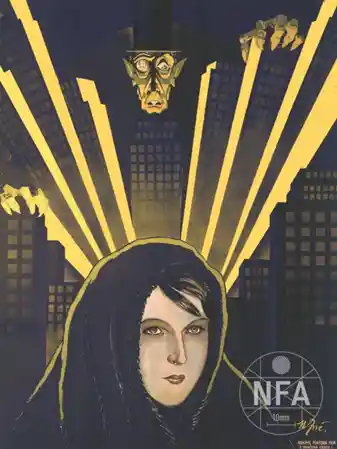
Visualizing the convergence of Martin Frič's style and the core Drama narrative.
The illegitimate child, Marie Ruzová, grows up in the family of the miller Borický. She spends her childhood and youth with Borický's son, Klement. Klement studies law, becomes a lawyer and is to marry Jirinka. Her mother, however, fears Klement's relationship with Marie and threatens the Borickýs that she will not give her Jirinka to Klement as a wife. In order not to cause further contradictions, Marie secretly leaves for Prague at night. There she earns a hard living as a waitress.
Decades after its release, Chudá holka remains a vital piece of the cinematic puzzle. Its influence can be seen in countless modern works, solidifying Martin Frič's status as a master of the craft in Slovakia and beyond.