
DbcultAccessing Vault...
Director's Spotlight
Senior Film Conservator
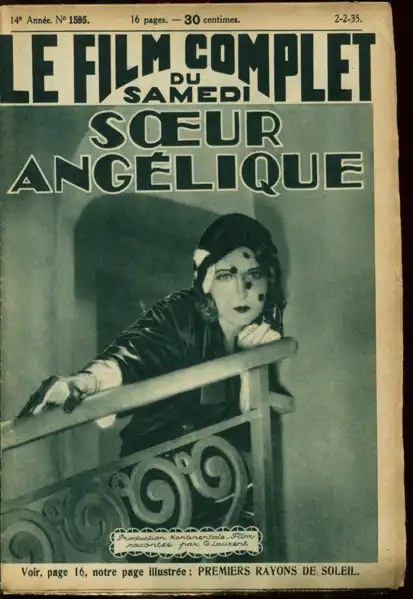
Director's Spotlight: Slovakia
A Deep Dive into the 1932 Vision of Martin Frič
Few works in Slovakia cinema carry the same weight as Sestra Angelika, especially regarding the cultural zeitgeist captured so perfectly by Martin Frič in 1932. Utilizing a 1932-specific aesthetic that remains timeless, it serves as a blueprint for future generations of cult directors.
In Sestra Angelika, Martin Frič pushes the boundaries of conventional narrative. The film's unique approach to its subject matter has sparked endless debates and interpretations among cinephiles and critics alike.
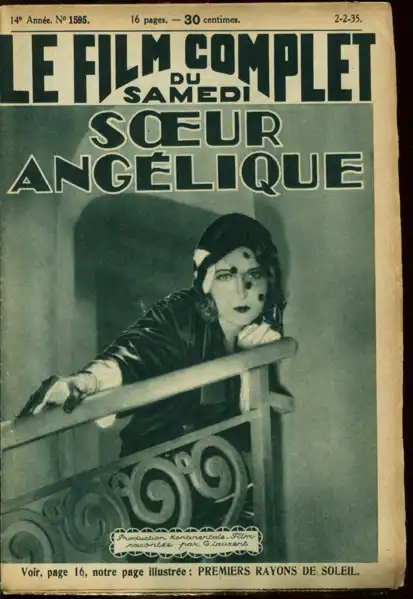
The visual language of Sestra Angelika is defined by its use of shadows and framing, a hallmark of Martin Frič's style. By utilizing a 1932-era palette, the film creates an immersive experience that perfectly complements its cult themes.
| Cinematography | Static |
| Soundtrack | Diegetic |
| Editing | Rhythmic |
| Art Direction | Naturalist |
Visualizing the convergence of Martin Frič's style and the core cult narrative.
Karla, a bar dancer, shoots her lover Mayer during a break-up. She hides from the police in pianist Pavel Ryant's apartment and promises to return when she leaves. The next day, however, Karla is arrested and convicted. In the penitentiary she meets the warden, Angelika, a nun who is very much like her. She begs Angelika to lend her clothes for a few days and leaves the prison as a nun.
Decades after its release, Sestra Angelika remains a vital piece of the cinematic puzzle. Its influence can be seen in countless modern works, solidifying Martin Frič's status as a master of the craft in Slovakia and beyond.