
DbcultAccessing Vault...
Director's Spotlight
Senior Film Conservator
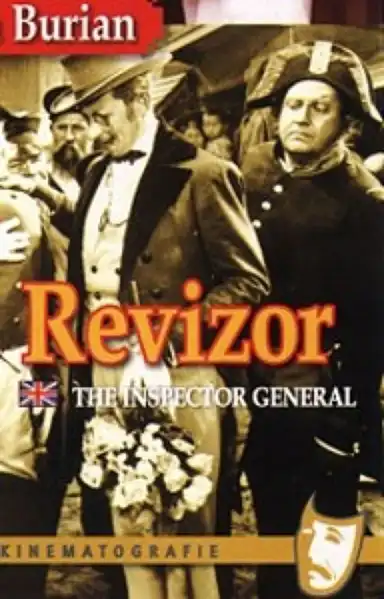
Director's Spotlight: Slovakia
A Deep Dive into the 1933 Vision of Martin Frič
The Comedy DNA of The Inspector General is a reflection of Slovakia's the subversive storytelling techniques employed by Martin Frič in 1933. Breaking the traditional rules of Comedy engagement, it leaves an indelible mark on the soul of the viewer.
In The Inspector General, Martin Frič pushes the boundaries of conventional narrative. The film's unique approach to its subject matter has sparked endless debates and interpretations among cinephiles and critics alike.
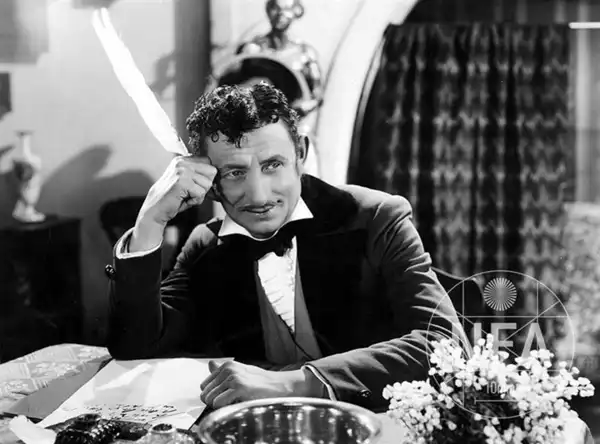
To fully appreciate The Inspector General, one must consider the cinematic climate of 1933. During this period, Slovakia was undergoing significant artistic shifts, and Martin Frič was at the forefront of this Comedy movement, often challenging established norms.
| Cinematography | Static |
| Soundtrack | Minimalist |
| Editing | Disjunctive |
| Art Direction | Baroque |
Visualizing the convergence of Martin Frič's style and the core Comedy narrative.
Vlasta Burian appears in a town of Czarist Russia impersonating an Inspector General, and he is entertained lavishly by the local political-hacks and peasants seeking his favor for whatever they are advocating or need fixed. Burain is involved in a series of comical situations as he takes everything he can gets his hands on while the peasants, who must plead for the betterment of their conditions, are left on the outside-looking-in. He makes his escape just as the real Inspector General is set to appear, but those-in-need will be no better off when the real McCoy shows up then they were with Burian.
Decades after its release, The Inspector General remains a vital piece of the cinematic puzzle. Its influence can be seen in countless modern works, solidifying Martin Frič's status as a master of the craft in Slovakia and beyond.