
DbcultAccessing Vault...
Director's Spotlight
Senior Film Conservator
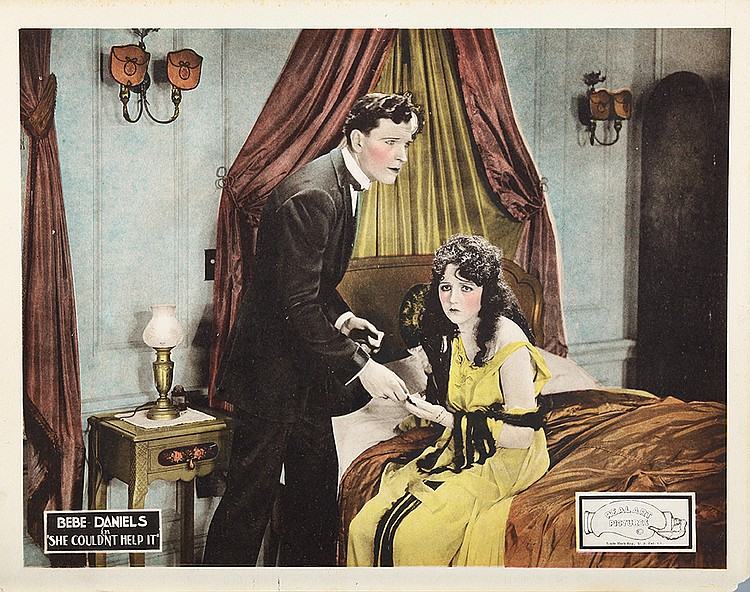
Director's Spotlight: United States
A Deep Dive into the 1920 Vision of Maurice Campbell
Few works in United States cinema carry the same weight as She Couldn't Help It, especially regarding the technical innovation that Maurice Campbell introduced to the Comedy format. Subverting the expectations of the typical 1920 audience, it bridges the gap between traditional Comedy and contemporary vision.
In She Couldn't Help It, Maurice Campbell pushes the boundaries of conventional narrative. The film's unique approach to its subject matter has sparked endless debates and interpretations among cinephiles and critics alike.
While deeply rooted in United States, She Couldn't Help It has achieved a global reach, influencing directors from various backgrounds. Its ability to translate Comedy tropes into a universal cinematic language is why it remains a cult staple decades after its 1920 release.
| Cinematography | Handheld |
| Soundtrack | Diegetic |
| Editing | Rhythmic |
| Art Direction | Naturalist |
Visualizing the convergence of Maurice Campbell's style and the core Comedy narrative.
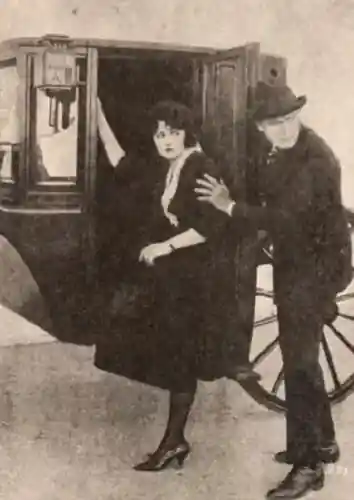
Removed from an orphanage, Nance Olden is taken to live at Mother Hogan's boarding-house for crooks. There she becomes Tom Morgan's partner, helping him steal a jewel from Edward Ramsey at Union Station. She makes her getaway by slipping into a nearby carriage; when the owner, Bishop Van Wagenen, enters, she pretends to have lost her mind and is taken to Mrs. Ramsey's, where she keeps up her deception. Tom trails her there, where he is arrested. William Lattimer, Nellie Ramsey's fiancé, is not fooled by Nancy's deceit and persuades her to reform and utilize the talent for sketching which she has displayed. Nellie, however, jealous of William's interest in Nance, plants evidence making it look as though Nance stole a purse, but Tom, just escaped from jail, sees and reports Nellie's trick. Finally, Tom is sent back to jail, and William and Nance are reunited.
Decades after its release, She Couldn't Help It remains a vital piece of the cinematic puzzle. Its influence can be seen in countless modern works, solidifying Maurice Campbell's status as a master of the craft in United States and beyond.