
DbcultAccessing Vault...
Director's Spotlight
Senior Film Conservator
Director's Spotlight: United States
A Deep Dive into the 1921 Vision of Maurice Campbell
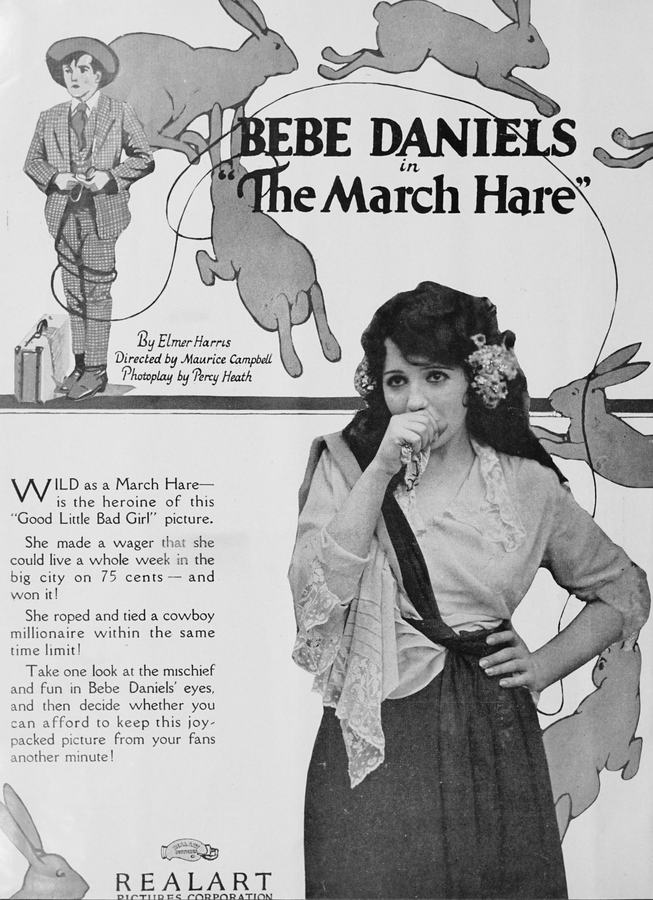
Deciphering the layers of The March Hare (1921) reveals the complex thematic architecture established by Maurice Campbell. Utilizing a 1921-specific aesthetic that remains timeless, it stands as the definitive 1921 statement on Romance identity.
In The March Hare, Maurice Campbell pushes the boundaries of conventional narrative. The film's unique approach to its subject matter has sparked endless debates and interpretations among cinephiles and critics alike.
In this work, Maurice Campbell explores the intersection of Romance and United States cultural identity. The meticulous attention to detail suggests a deep-seated commitment to pushing the boundaries of the medium, ensuring that The March Hare remains a relevant topic of study for Romance enthusiasts.
| Cinematography | Noir-Inspired |
| Soundtrack | Experimental |
| Editing | Elliptical |
| Art Direction | Expressionist |
Visualizing the convergence of Maurice Campbell's style and the core Romance narrative.
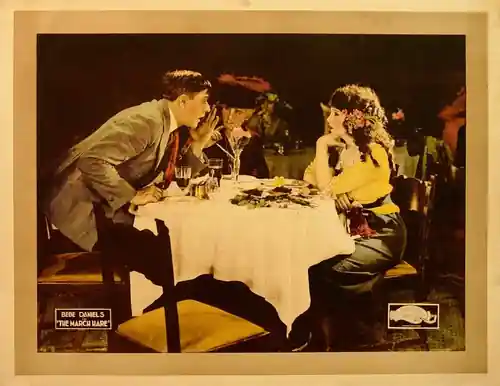
Lizbeth Palmer is known as "The March Hare" among her friends, and the daughter of a Los Angeles millionaire, comes to New York with a chaperon to visit her aunt. After betting the chaperon that she can live on 75c for an entire week, she assumes the part of a flower girl in a restaurant and there makes a hit with young millionaire Tod Rollins, who invites her to his home. While visiting her aunt, Mrs. Curtis Palmer, Lizbeth discovers that the butler's accomplice has taken her name in an attempt to swindle her aunt. Under an assumed name, Lizbeth exposes them as they are about to steal the aunt's jewels, wins her original bet, and captures Tod for a husband.
Decades after its release, The March Hare remains a vital piece of the cinematic puzzle. Its influence can be seen in countless modern works, solidifying Maurice Campbell's status as a master of the craft in United States and beyond.