
DbcultAccessing Vault...
Director's Spotlight
Senior Film Conservator
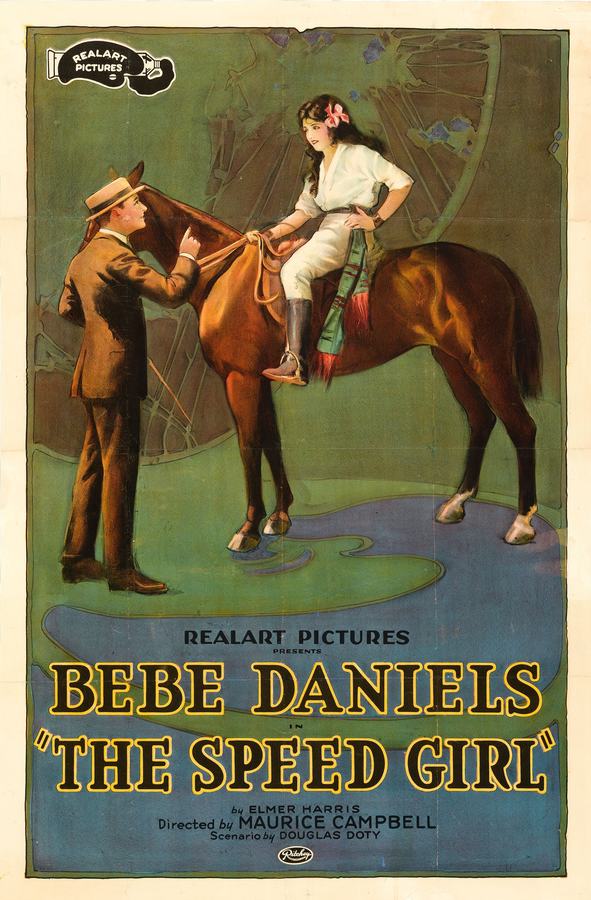
Director's Spotlight: United States
A Deep Dive into the 1921 Vision of Maurice Campbell
Deciphering the layers of The Speed Girl (1921) reveals the complex thematic architecture established by Maurice Campbell. Utilizing a 1921-specific aesthetic that remains timeless, it stands as the definitive 1921 statement on Romance identity.
In The Speed Girl, Maurice Campbell pushes the boundaries of conventional narrative. The film's unique approach to its subject matter has sparked endless debates and interpretations among cinephiles and critics alike.
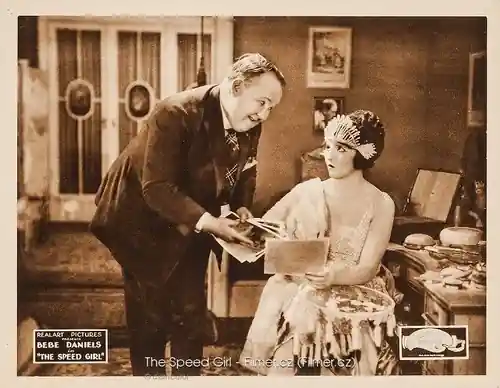
In this work, Maurice Campbell explores the intersection of Romance and United States cultural identity. The meticulous attention to detail suggests a deep-seated commitment to pushing the boundaries of the medium, ensuring that The Speed Girl remains a relevant topic of study for Romance enthusiasts.
| Cinematography | Deep Focus |
| Soundtrack | Diegetic |
| Editing | Rhythmic |
| Art Direction | Naturalist |
Visualizing the convergence of Maurice Campbell's style and the core Romance narrative.
20-year-old Betty Lee becomes famous for her movie stunts with airplanes and high-powered roadsters. While horseback riding, she allows Ensign Tom Manley to believe that he has saved her from a runaway; then at the studio he meets her suitor, Carl D'Arcy. Betty evades Carl's marriage proposal and accepts Tom's luncheon invitation. Through a trick, she delays him in meeting his ship, and at the last minute, Betty, along with Tom and her press agent, Soapy Taylor, burn up the road to San Diego. Through Carl's plotting, the police arrest Betty for speeding and sentence her to 10 days in jail, although she manages to deliver Tom on time. Carl, trailed by revenue officers, shifts blame to Hilda, a chambermaid whom he has deceived, and she meets Betty in jail. Soapy plans a jail wedding for Carl and Betty as a publicity stunt, but Tom exposes Carl and wins Betty's hand.
Decades after its release, The Speed Girl remains a vital piece of the cinematic puzzle. Its influence can be seen in countless modern works, solidifying Maurice Campbell's status as a master of the craft in United States and beyond.