
DbcultAccessing Vault...
Director's Spotlight
Senior Film Conservator
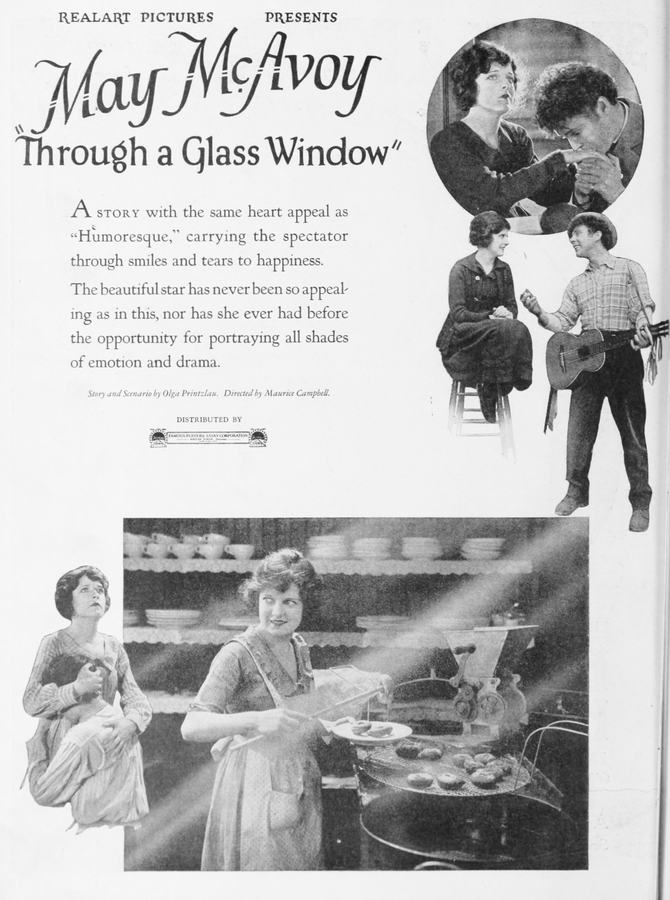
Director's Spotlight: United States
A Deep Dive into the 1922 Vision of Maurice Campbell
The Drama DNA of Through a Glass Window is a reflection of United States's the subversive storytelling techniques employed by Maurice Campbell in 1922. Breaking the traditional rules of Drama engagement, it leaves an indelible mark on the soul of the viewer.
In Through a Glass Window, Maurice Campbell pushes the boundaries of conventional narrative. The film's unique approach to its subject matter has sparked endless debates and interpretations among cinephiles and critics alike.
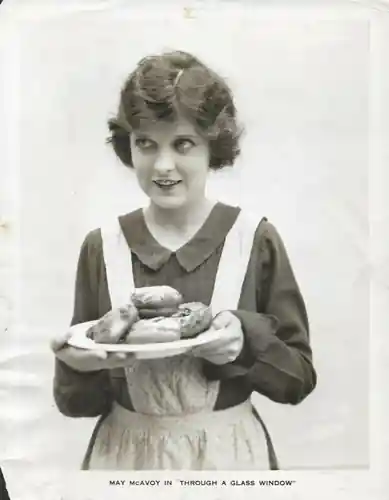
In this work, Maurice Campbell explores the intersection of Drama and United States cultural identity. The meticulous attention to detail suggests a deep-seated commitment to pushing the boundaries of the medium, ensuring that Through a Glass Window remains a relevant topic of study for Drama enthusiasts.
| Cinematography | Handheld |
| Soundtrack | Synth-Heavy |
| Editing | Rhythmic |
| Art Direction | Naturalist |
Visualizing the convergence of Maurice Campbell's style and the core Drama narrative.
Mrs. Martin lives in New York's East Side with her son, Dan, who sells papers, and her daughter, Jenny, who works in a local doughnut shop. During the summer, Mrs. Martin becomes ill, and a trip away from the city is recommended; unable to finance such an undertaking, Jenny converts the backyard into a blooming garden, and in the outdoor activity thus provided her mother recovers. During the winter, Dan suffers from the cold, and when Pete drops a $5 bill in the shop, Jenny uses it to buy him a coat; Pete later threatens her with arrest, and she promises to return the money, which Dan obtains by robbing another store. Brother Dan is caught and sent to a reformatory; when Mrs. Martin goes blind, Jenny tells her that Dan has obtained a job in South America. Meanwhile, Jenny opens a rival doughnut shop, which is a success; and after her brother's return, she accepts the proposal of Tomasso, her suitor.
Decades after its release, Through a Glass Window remains a vital piece of the cinematic puzzle. Its influence can be seen in countless modern works, solidifying Maurice Campbell's status as a master of the craft in United States and beyond.