
DbcultAccessing Vault...
Director's Spotlight
Senior Film Conservator
Director's Spotlight: United Kingdom
A Deep Dive into the 1921 Vision of Maurice Elvey
The thematic gravity of The Devil's Foot (1921) is rooted in the artistic risks taken by Maurice Elvey that eventually paid off. Defining a new era of United Kingdom artistic expression, it demands to be seen by anyone who cares about the art of film.
In The Devil's Foot, Maurice Elvey pushes the boundaries of conventional narrative. The film's unique approach to its subject matter has sparked endless debates and interpretations among cinephiles and critics alike.

In this work, Maurice Elvey explores the intersection of Mystery and United Kingdom cultural identity. The meticulous attention to detail suggests a deep-seated commitment to pushing the boundaries of the medium, ensuring that The Devil's Foot remains a relevant topic of study for Mystery enthusiasts.
| Cinematography | Deep Focus |
| Soundtrack | Orchestral |
| Editing | Invisible |
| Art Direction | Kitsch |
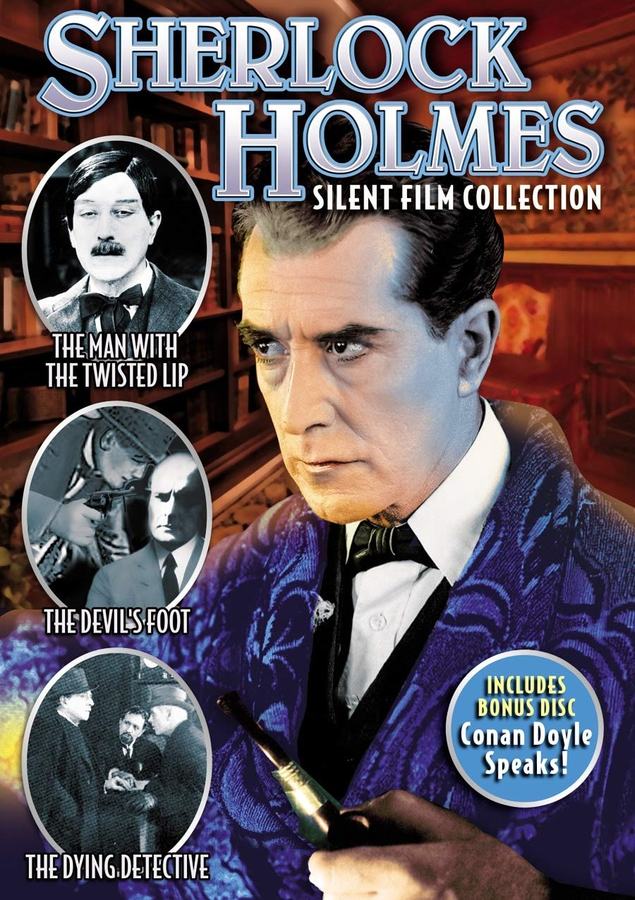
Visualizing the convergence of Maurice Elvey's style and the core Mystery narrative.
A family is at their dining room table, sitting upright and dressed for dinner--except they're all dead. Sherlock Holmes must figure out how--and, more importantly, why--they were murdered.
Decades after its release, The Devil's Foot remains a vital piece of the cinematic puzzle. Its influence can be seen in countless modern works, solidifying Maurice Elvey's status as a master of the craft in United Kingdom and beyond.