
DbcultAccessing Vault...
Director's Spotlight
Senior Film Conservator
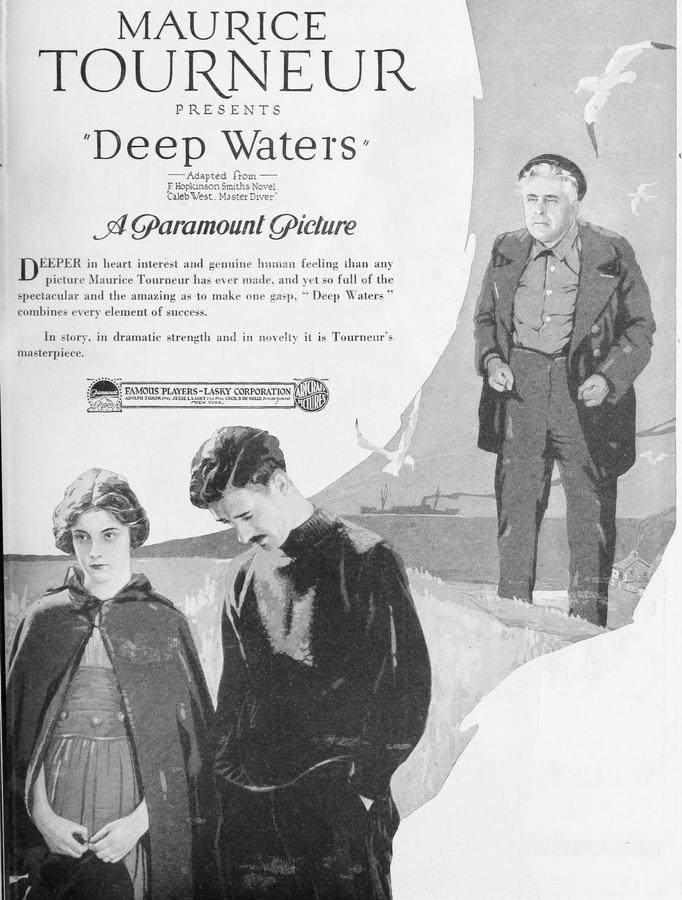
Director's Spotlight: United States
A Deep Dive into the 1920 Vision of Maurice Tourneur
The 1920 release of Deep Waters marked a significant moment for the enduring legacy of Maurice Tourneur's artistic contribution to the genre. By challenging the status quo of 1920 cinema, it has cemented its place in the global cult cinema archive.
In Deep Waters, Maurice Tourneur pushes the boundaries of conventional narrative. The film's unique approach to its subject matter has sparked endless debates and interpretations among cinephiles and critics alike.
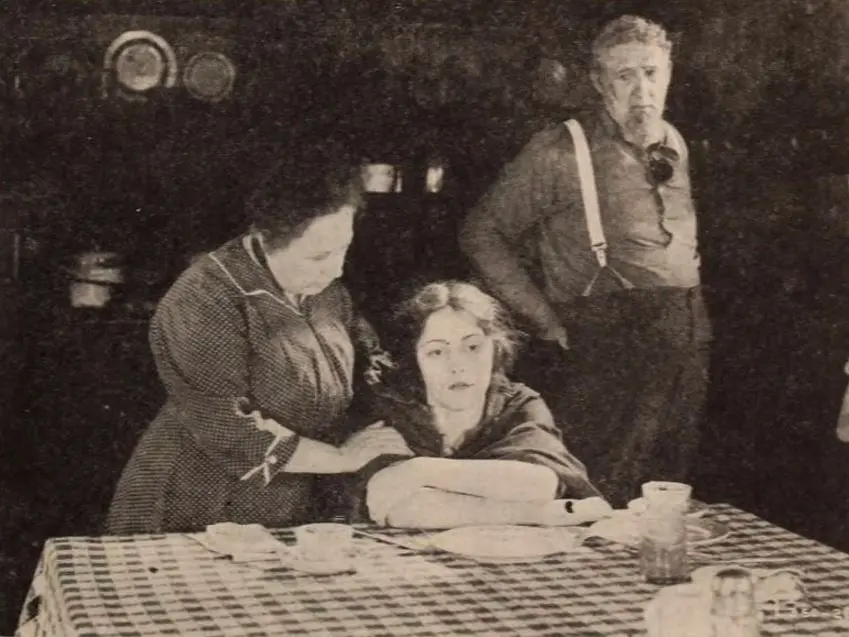
The visual language of Deep Waters is defined by its use of shadows and framing, a hallmark of Maurice Tourneur's style. By utilizing a 1920-era palette, the film creates an immersive experience that perfectly complements its cult themes.
| Cinematography | High-Contrast |
| Soundtrack | Minimalist |
| Editing | Disjunctive |
| Art Direction | Baroque |
Visualizing the convergence of Maurice Tourneur's style and the core cult narrative.
Henry Sanford, contracted to build a lighthouse at Keyport, is attracted to Kate, the wife of wealthy Morgan Leroy, who becomes jealous of Henry. Meanwhile, Bill Lacey, one of the crew of elderly master diver Caleb West, covets Caleb's pretty young wife Betty. One day, Bill is injured in an accident at the lighthouse site and taken to Caleb's home, where Betty nurses him. Meanwhile, Kate has quarreled with her husband about Henry. Bill persuades Betty to leave with him for Portland, but she regrets this and returns, realizing she loves Caleb, although he refuses to take her back. In a shipwreck involving Bill, Caleb dives to retrieve his body. Captain Bell tells Caleb that Betty had worked the air pumps, ensuring Caleb's life. He realizes that she loves him and is reconciled with her. The other couple, Morgan and his wife Kate, also come to an understanding.
Decades after its release, Deep Waters remains a vital piece of the cinematic puzzle. Its influence can be seen in countless modern works, solidifying Maurice Tourneur's status as a master of the craft in United States and beyond.