
DbcultAccessing Vault...
Director's Spotlight
Senior Film Conservator
Director's Spotlight: United States
A Deep Dive into the 1914 Vision of Maurice Tourneur
In the grand tapestry of cult cinema, Man of the Hour serves as a bridge between the bold experimentation that has become synonymous with Maurice Tourneur. Breaking the traditional rules of cult engagement, it highlights the importance of independent voices in United States.
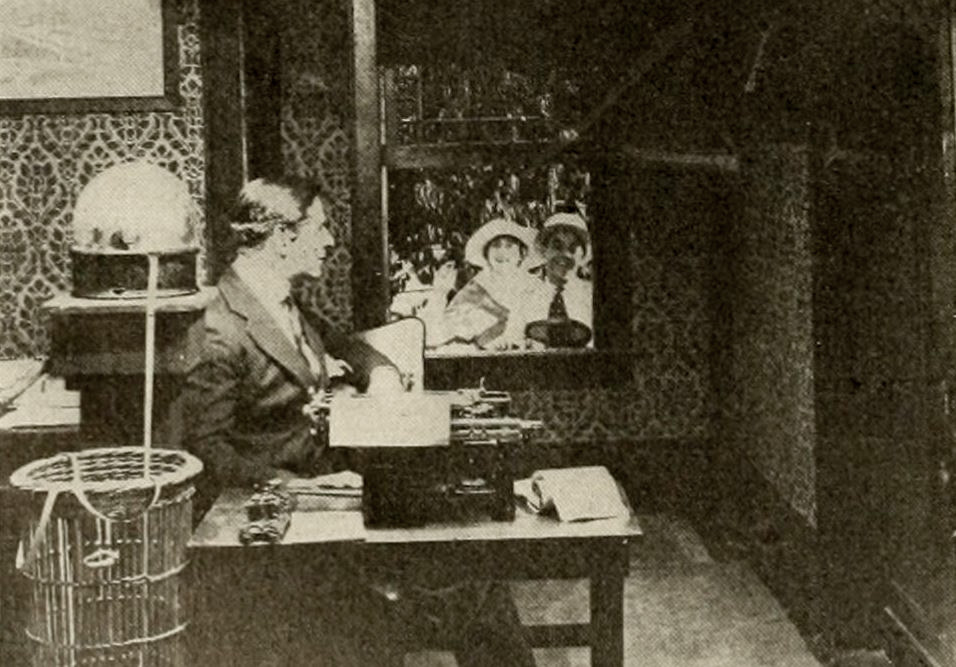
In Man of the Hour, Maurice Tourneur pushes the boundaries of conventional narrative. The film's unique approach to its subject matter has sparked endless debates and interpretations among cinephiles and critics alike.
| Cinematography | High-Contrast |
| Soundtrack | Experimental |
| Editing | Invisible |
| Art Direction | Kitsch |
Visualizing the convergence of Maurice Tourneur's style and the core cult narrative.
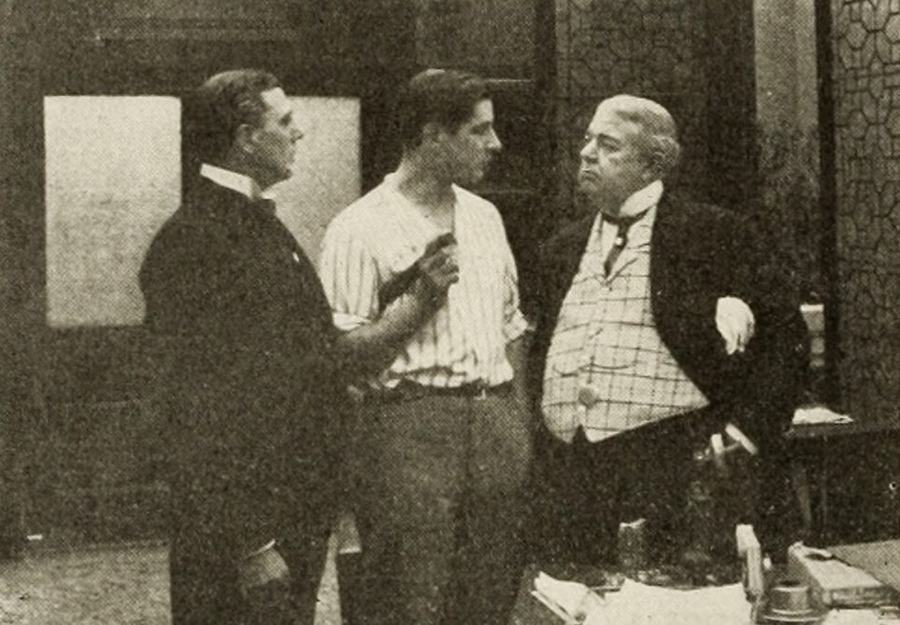
When he is ruined by speculating in the stock market by bogus tips given to him by Charles Wainwright, George Garrison commits suicide, but before his death he begs his son Henry to avenge him. Henry goes West and makes a fortune prospecting, then returns to New York and assumes the name of Henry Thompson. He becomes Wainwright's protege and falls in love with his daughter Dallas, then is elected mayor of New York, backed by Wainwright's friend, political boss Richard Horrigan. In return for Wainwright's support, he is supposed to sign a franchise binding the city to the financier's railway. Henry refuses, so Wainwright and his flunkies attempt to discredit him by dredging up an old murder charge, but the charge is proved false when the supposed victim, Henry's partner Joe Standing shows up. Finally, Henry confronts Wainwright, accuses him of causing his father's death and of attempting to defraud the city. Despite his denunciation of her father, Dallas proclaims her love for Henry. In an epilogue, the hands of the victims of political boss Horrigan clutch at him from the grave.
Decades after its release, Man of the Hour remains a vital piece of the cinematic puzzle. Its influence can be seen in countless modern works, solidifying Maurice Tourneur's status as a master of the craft in United States and beyond.