
DbcultAccessing Vault...
Director's Spotlight
Senior Film Conservator
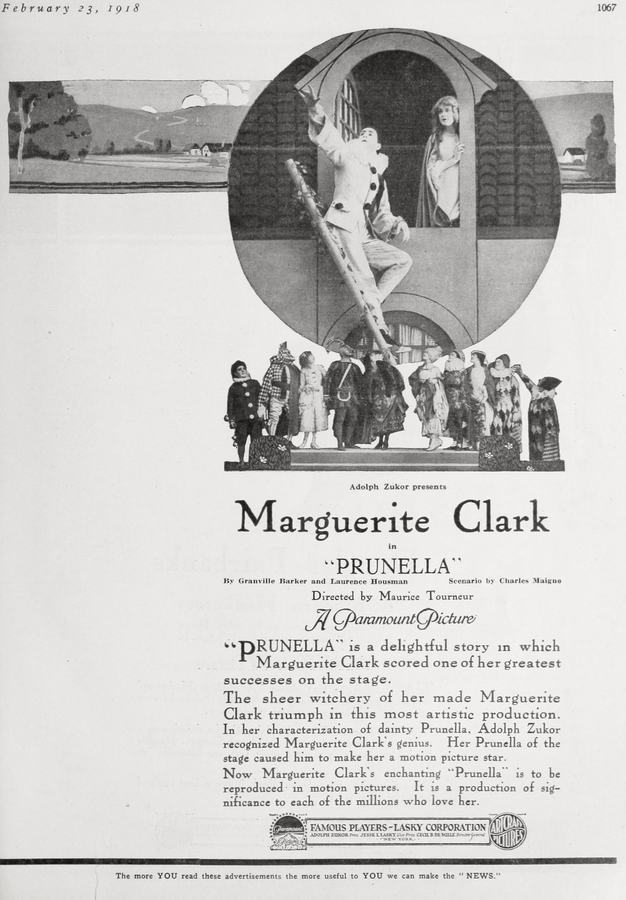
Director's Spotlight: United States
A Deep Dive into the 1918 Vision of Maurice Tourneur
The thematic gravity of Prunella (1918) is rooted in the historical context that Maurice Tourneur weaves into the cult fabric. Synthesizing the best elements of United States and international cinema, it highlights the importance of independent voices in United States.
In Prunella, Maurice Tourneur pushes the boundaries of conventional narrative. The film's unique approach to its subject matter has sparked endless debates and interpretations among cinephiles and critics alike.
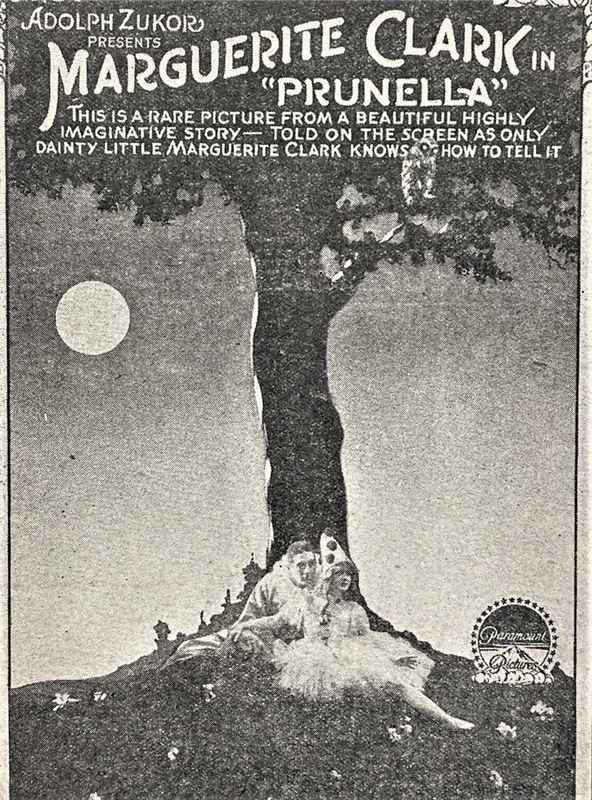
To fully appreciate Prunella, one must consider the cinematic climate of 1918. During this period, United States was undergoing significant artistic shifts, and Maurice Tourneur was at the forefront of this cult movement, often challenging established norms.
| Cinematography | Handheld |
| Soundtrack | Orchestral |
| Editing | Invisible |
| Art Direction | Kitsch |
Visualizing the convergence of Maurice Tourneur's style and the core cult narrative.
Carefully guarded by her three maiden aunts, Prim, Prude and Privacy, Prunella sees nothing of the world beyond her garden walls until a troupe of strolling players passes by. Peeping over the hedge, Prunella catches sight of the dashing Pierrot, and he, captivated by her beauty, leaps into the garden and makes love to her. That night, Prunella elopes with Pierrot, and soon she becomes a star of the Paris stage. Pierrot and his wife are happy for several years, but the fickle Pierrot finally deserts her for a new flame. Soon, however, he realizes the depth of his love for Prunella, and learning that she has left the stage, he returns to the garden to search for her and buys the little cottage from her only surviving aunt. At a party given for him by the mummers, Pierrot wanders distractedly into the garden, where he finds what he imagines is Prunella's ghost. Embracing her, he discovers to his joy that his Prunella is alive.
Decades after its release, Prunella remains a vital piece of the cinematic puzzle. Its influence can be seen in countless modern works, solidifying Maurice Tourneur's status as a master of the craft in United States and beyond.