
DbcultAccessing Vault...
Director's Spotlight
Senior Film Conservator
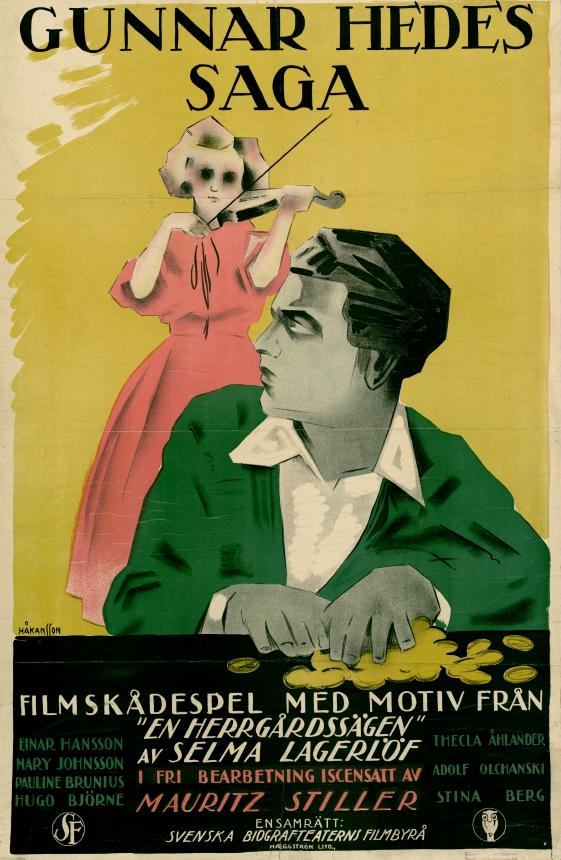
Director's Spotlight: Sweden
A Deep Dive into the 1923 Vision of Mauritz Stiller
Exploring the Drama underpinnings of The Blizzard leads us to the stylistic boundaries pushed by Mauritz Stiller during the production. Through a lens of existential fatalism and Drama tropes, it continues to spark endless debates among critics and cinephiles alike.
In The Blizzard, Mauritz Stiller pushes the boundaries of conventional narrative. The film's unique approach to its subject matter has sparked endless debates and interpretations among cinephiles and critics alike.
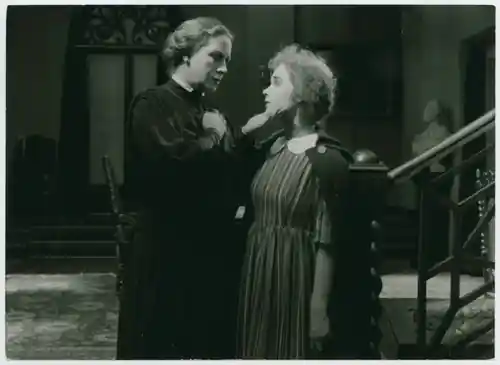
While deeply rooted in Sweden, The Blizzard has achieved a global reach, influencing directors from various backgrounds. Its ability to translate Drama tropes into a universal cinematic language is why it remains a cult staple decades after its 1923 release.
| Cinematography | Static |
| Soundtrack | Diegetic |
| Editing | Rhythmic |
| Art Direction | Naturalist |
Visualizing the convergence of Mauritz Stiller's style and the core Drama narrative.
Gunnar Hede, a young Swedish man, wants to become a professional musician, but when his father suddenly dies he is pressured by his family to take over the family business, raising and selling reindeer. He doesn't like the business and isn't suited for it, but he gives in and takes over. However, when he is badly injured one day in an accident while driving the herd over the frozen Arctic and sustains some serious head trauma, his family fears that he may be permanently mentally damaged and they may lose both Gunnar and the family business.
Decades after its release, The Blizzard remains a vital piece of the cinematic puzzle. Its influence can be seen in countless modern works, solidifying Mauritz Stiller's status as a master of the craft in Sweden and beyond.