
DbcultAccessing Vault...
Director's Spotlight
Senior Film Conservator
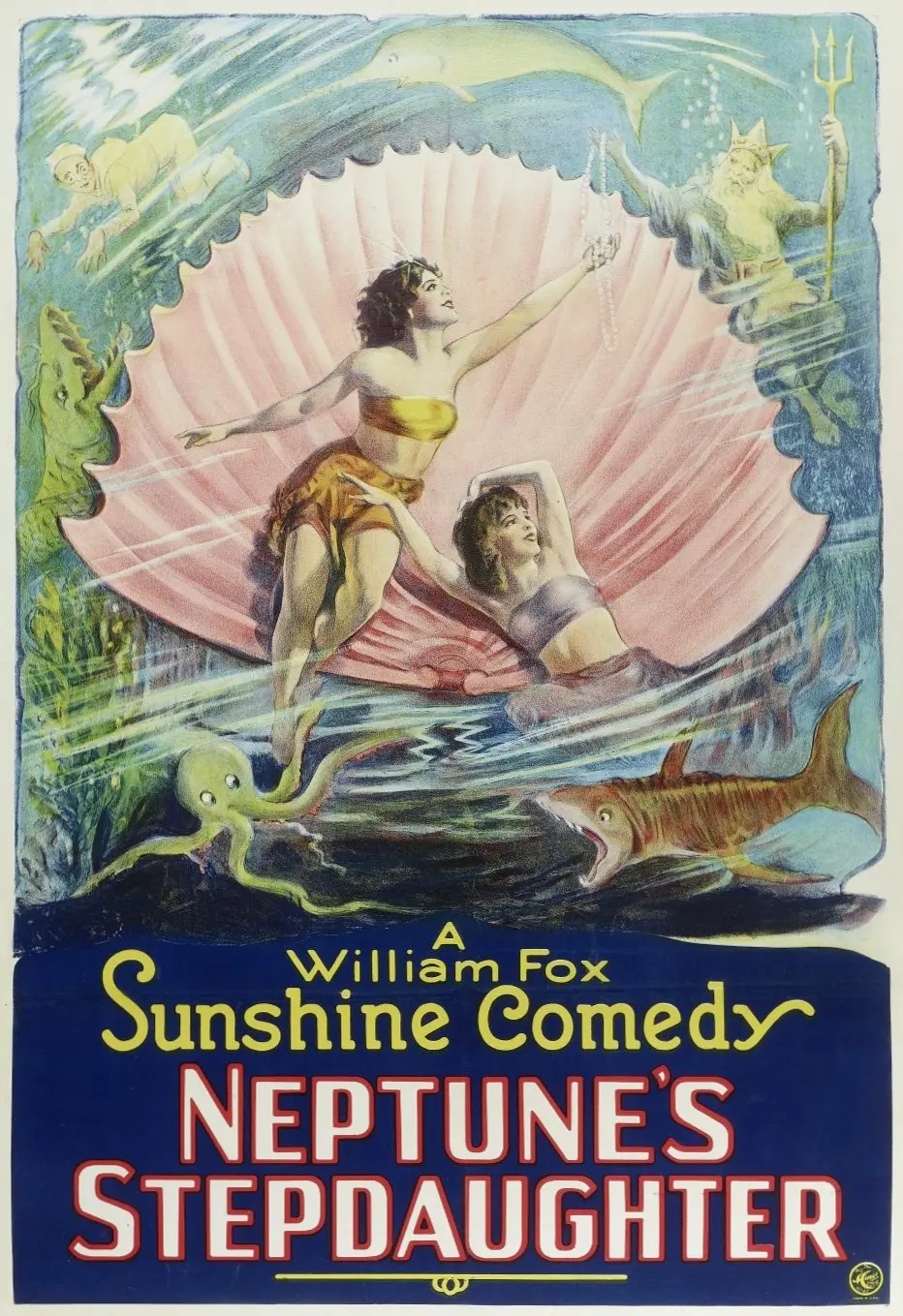
Director's Spotlight: United States
A Deep Dive into the 1925 Vision of Max Gold
The thematic gravity of Neptune's Stepdaughter (1925) is rooted in the historical context that Max Gold weaves into the Short fabric. Synthesizing the best elements of United States and international cinema, it highlights the importance of independent voices in United States.
In Neptune's Stepdaughter, Max Gold pushes the boundaries of conventional narrative. The film's unique approach to its subject matter has sparked endless debates and interpretations among cinephiles and critics alike.
To fully appreciate Neptune's Stepdaughter, one must consider the cinematic climate of 1925. During this period, United States was undergoing significant artistic shifts, and Max Gold was at the forefront of this Short movement, often challenging established norms.
| Cinematography | Handheld |
| Soundtrack | Orchestral |
| Editing | Invisible |
| Art Direction | Kitsch |
Visualizing the convergence of Max Gold's style and the core Short narrative.
A director takes a bunch of beauties to the shore to film scenes which include their being kidnapped by pirates. A real gang of rough seamen overpower the pirates, don their regalia and really kidnap the girls, taking them aboard ship, the director yelling "great" all the time. Then follows considerable rough-and-tumble comedy on-board. The comedy ends with an underwater sequence in which the villain chases the would-be hero and a swordfish joins in.
Decades after its release, Neptune's Stepdaughter remains a vital piece of the cinematic puzzle. Its influence can be seen in countless modern works, solidifying Max Gold's status as a master of the craft in United States and beyond.