
DbcultAccessing Vault...
Director's Spotlight
Senior Film Conservator
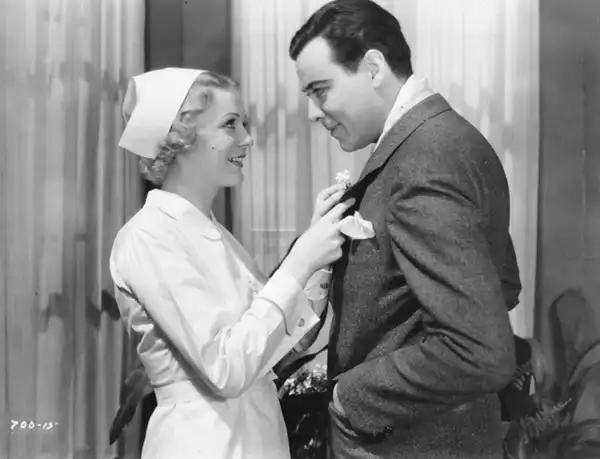
Director's Spotlight: United States
A Deep Dive into the 1934 Vision of Max Marcin
The evocative power of The Love Captive stems from the unique collaboration between the subversive storytelling techniques employed by Max Marcin in 1934. Synthesizing the best elements of United States and international cinema, it reminds us of the fragility and beauty of the 1934s.
In The Love Captive, Max Marcin pushes the boundaries of conventional narrative. The film's unique approach to its subject matter has sparked endless debates and interpretations among cinephiles and critics alike.
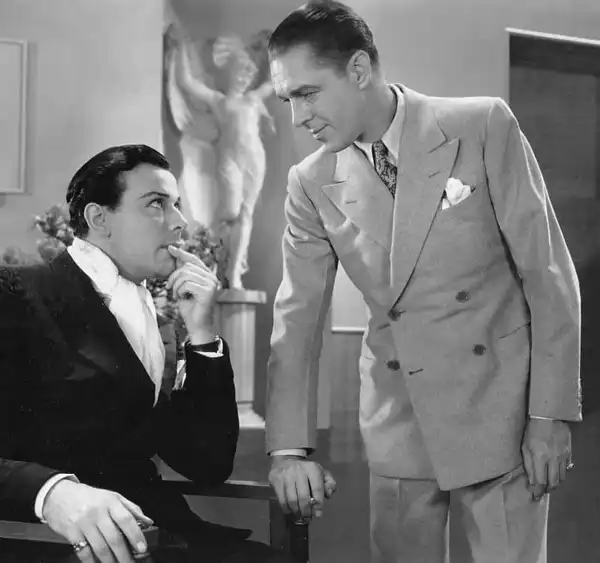
The visual language of The Love Captive is defined by its use of shadows and framing, a hallmark of Max Marcin's style. By utilizing a 1934-era palette, the film creates an immersive experience that perfectly complements its Romance themes.
| Cinematography | Noir-Inspired |
| Soundtrack | Minimalist |
| Editing | Disjunctive |
| Art Direction | Baroque |
Visualizing the convergence of Max Marcin's style and the core Romance narrative.
During a high society party, Dr. Alexis Collender offers to hypnotize the host's butler and demonstrate his power of control using a loaded pistol. After the terrified butler refuses to go through with the experiment, Alice Trask, Collender's new nurse, tells her fiance, Dr. Norman Ware, that she has fallen in love with the charismatic Collender. Convinced that Alice has been transfixed by Collender, a heartbroken Norman arranges for her to start another job but is unable to convince her to leave the hypnotist. At the same time, nurse Mary Williams, Alice's embittered predecessor, confides in Norman that Collender, who successfully cures drug addicts and alcoholics, had seduced and deserted her. Before Norman acts on Mary's confession, Collender cures Larry Chapman, a reporter, of severe hiccups and becomes the beneficiary of his public relations expertise. Larry, using a series of publicity gimmicks, makes Collender an overnight celebrity and increases his business tenfold. Collender's success, however, brings him to the attention of the county medical board, who at the urging of Norman and his brother-in-law, lawyer Roger Loft, files charges of unethical practice against him. Still under Collender's spell, Alice visits Norman and, after chastising him for acting out of jealousy, asks him to stop the board's proceedings. Norman refuses, however, and confides in Roger his desire to murder Collender. During the board's first grievance committee hearing, which is being held at Roger's home, Collender shows up and asks to demonstrate his pistol trick. After he is denied his request, Collender gives his gun to Roger's butler and then hypnotizes Roger's wife Valerie with his watch. Later, Larry advises Collender that, unless he wants to lose his lucrative business, he must give up Alice. Collender takes Larry's advice and, using hypnosis, orders Alice to leave him. Before Alice returns to Norman, Roger accuses Collender of seducing Valerie and, with Norman, confronts him with his own gun. When Roger sees Alice reunite with Norman, however, he concludes that Collender is innocent and leaves his office, unaware that Valerie is in the next room waiting to be seduced. Although Norman is ready to drop charges against Collender, the final hearing proceeds as planned, and Collender is allowed his demonstration. In an operating theater filled with onlookers, Collender hands a hypnotized Roger his gun and announces that, at his command, his subject will be unable to pull the gun's hair trigger. To discredit his accusers, he then asks a spellbound Valerie to relate the story of Alice and Norman's troubled romance. During Valerie's speech, Roger aims the gun at Collender and, in spite of the hypnotist's orders to stop, shoots and kills his foe. At a preliminary hearing, a judge determines that Roger was acting under hypnosis and grants him his freedom. Later, Norman asks Roger if his hypnosis was faked, but Roger wisely refuses to reveal the truth.
Decades after its release, The Love Captive remains a vital piece of the cinematic puzzle. Its influence can be seen in countless modern works, solidifying Max Marcin's status as a master of the craft in United States and beyond.