
DbcultAccessing Vault...
Director's Spotlight
Senior Film Conservator
Director's Spotlight: Germany
A Deep Dive into the 1914 Vision of Max Obal
Witnessing the stylistic transformation of cult through The Lion's Bride reveals the provocative questions that Max Obal poses to the Germany audience. Exploring the nuances of the human condition with cult flair, it showcases the power of cult as a tool for social commentary.
In The Lion's Bride, Max Obal pushes the boundaries of conventional narrative. The film's unique approach to its subject matter has sparked endless debates and interpretations among cinephiles and critics alike.
| Cinematography | Static |
| Soundtrack | Orchestral |
| Editing | Slow-Burn |
| Art Direction | Brutalist |
Visualizing the convergence of Max Obal's style and the core cult narrative.
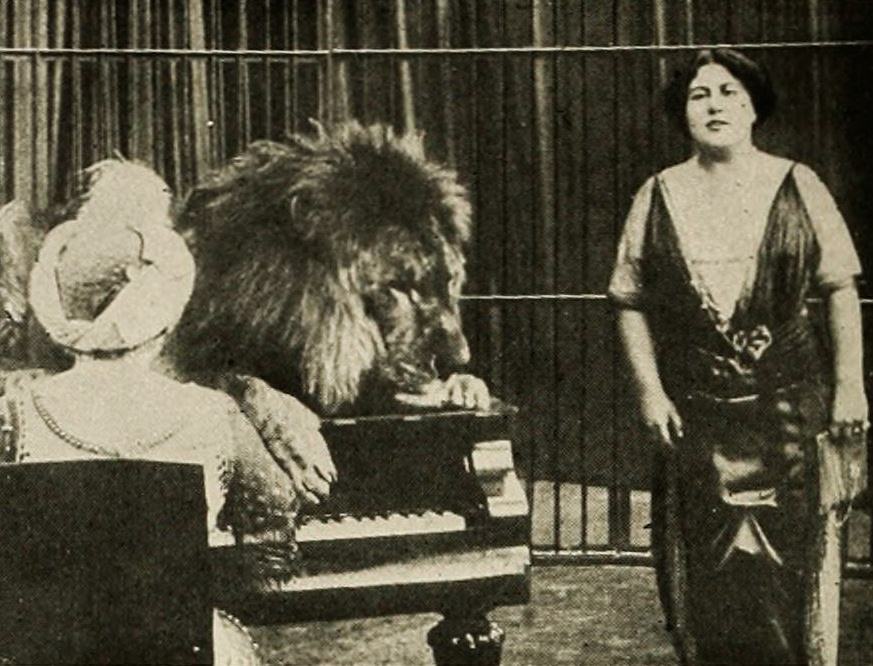
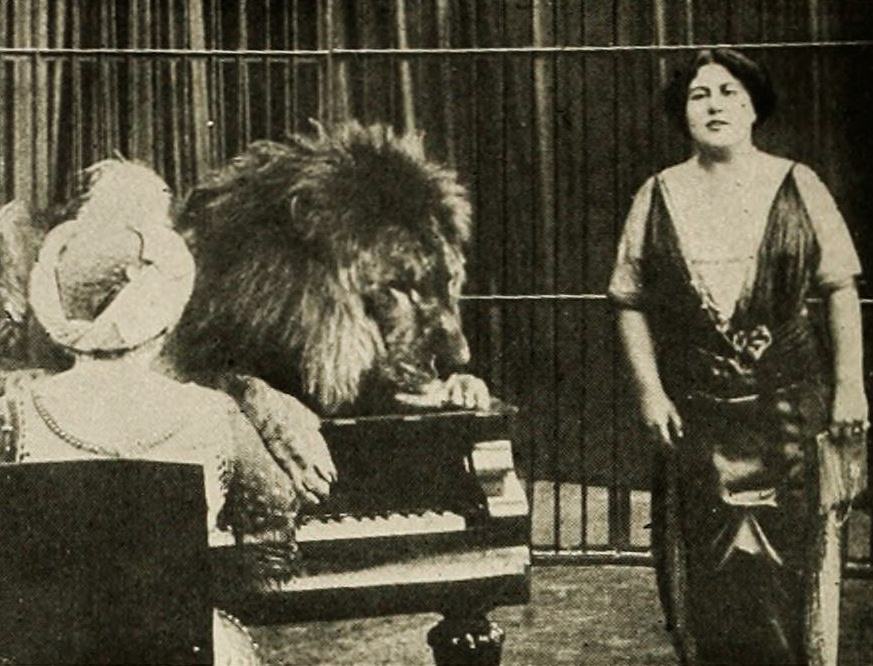
Mr. Effington and his daughters Maud and Edith hear Miss Destinn at the opera. Edith expresses a wish to meet Miss Destinn, so her father invites Miss Destinn to the birthday party to be given for Edith. Maud is very fond of animals. A friend sends her some lion cubs which she trains to do tricks. She also has several full-grown lions in her private menagerie. Edith is very fond of music and loves her young teacher, Jack Harris. Her father objects to her attachment, and drives him from the house. Atwood, a business friend of Mr. Effington, asks for Edith's hand in marriage. At the birthday party he proposes to her, but is refused. At the party Maud is showing how tame her lions are, and on a dare Miss Destinn, who has accepted the invitation to be present, enters the cage with her and, with one of the lions lying on the piano, within a few inches of her, sings parts of Mignon, Atwood chagrined at Edith's refusal of his hand refuses to assist Mr. Effington in his business, with the result that the business fails. Mr. Effington does not survive the shock and the two girls, brought up in luxury, are forced to go out into the world to make a living. They consult Miss Destinn as to what they should do and receive her assurance that she will help them as best she can. They decide to use Maud's lions and advertise for a young man to play a part in a moving picture drama. Jack Harris sees the advertisement and answers it. He and the girls are much surprised to meet again and he renews his suit for Edith's heart. Edith accepts him and the preparations are made for the wedding. Maud is heartbroken and confesses that she has loved Jack for a long time. She goes with the happy couple to get the marriage license, but cannot face the ordeal. Disappointed and dejected, she goes back to the house and dressing in her sister's wedding dress, enters the cage of the lions. The lions do not seem to recognize her and she loses control of them. When Jack and Edith return they are horrified to find that Maud has become indeed "The Lion's Bride."
Decades after its release, The Lion's Bride remains a vital piece of the cinematic puzzle. Its influence can be seen in countless modern works, solidifying Max Obal's status as a master of the craft in Germany and beyond.