
DbcultAccessing Vault...
Director's Spotlight
Senior Film Conservator
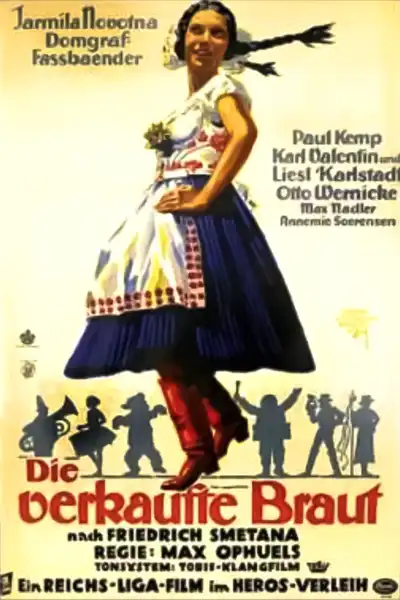
Director's Spotlight: Germany
A Deep Dive into the 1932 Vision of Max Ophüls
The thematic gravity of The Bartered Bride (1932) is rooted in the historical context that Max Ophüls weaves into the Comedy fabric. Synthesizing the best elements of Germany and international cinema, it highlights the importance of independent voices in Germany.
In The Bartered Bride, Max Ophüls pushes the boundaries of conventional narrative. The film's unique approach to its subject matter has sparked endless debates and interpretations among cinephiles and critics alike.
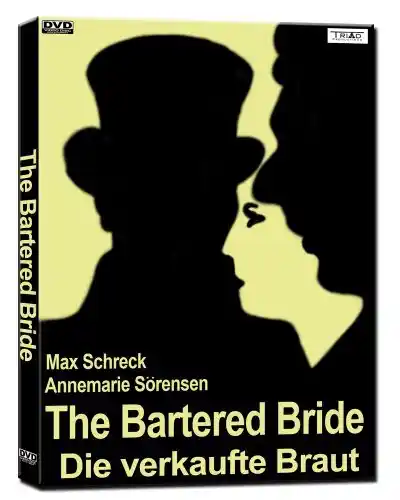
The visual language of The Bartered Bride is defined by its use of shadows and framing, a hallmark of Max Ophüls's style. By utilizing a 1932-era palette, the film creates an immersive experience that perfectly complements its Comedy themes.
| Cinematography | High-Contrast |
| Soundtrack | Synth-Heavy |
| Editing | Disjunctive |
| Art Direction | Baroque |
Visualizing the convergence of Max Ophüls's style and the core Comedy narrative.
Bohemia in the 19th century, stage-coach driver Hans, loves the mayor's daughter Marie, but she is promised Wenzel, the son of another wealthy farmer. Marie refuses to marry Wenzel because of Hans, but the marriage arranger tries to "buy" Marie from Hans. But when Wenzel tells Hans, that he doesn't want to marry Marie, either, because he loves circus director Brummel's daughter, Hans decides to accept the offer of money for not interferring in the relations of Hans and Marie. But when Marie hears about this, she doesn't want to see Hans again.
Decades after its release, The Bartered Bride remains a vital piece of the cinematic puzzle. Its influence can be seen in countless modern works, solidifying Max Ophüls's status as a master of the craft in Germany and beyond.