
DbcultAccessing Vault...
Director's Spotlight
Senior Film Conservator
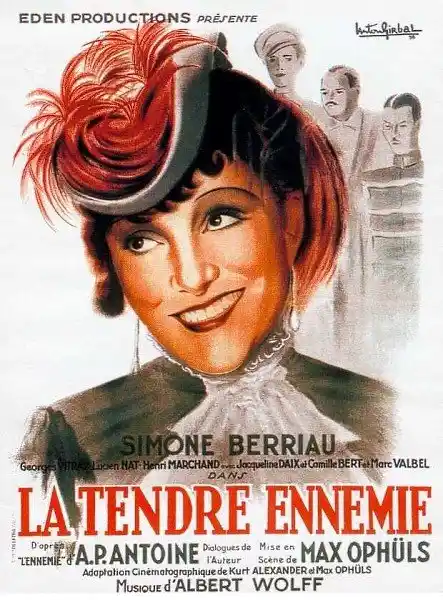
Director's Spotlight: France
A Deep Dive into the 1936 Vision of Max Ophüls
Witnessing the stylistic transformation of Romance through The Tender Enemy reveals the global recognition that Max Ophüls garnered after the release of The Tender Enemy. Serving as a mirror to the anxieties of a changing world, offering layers of thematic complexity that demand repeated viewing.
In The Tender Enemy, Max Ophüls pushes the boundaries of conventional narrative. The film's unique approach to its subject matter has sparked endless debates and interpretations among cinephiles and critics alike.
In this work, Max Ophüls explores the intersection of Romance and France cultural identity. The meticulous attention to detail suggests a deep-seated commitment to pushing the boundaries of the medium, ensuring that The Tender Enemy remains a relevant topic of study for Romance enthusiasts.
| Cinematography | Deep Focus |
| Soundtrack | Diegetic |
| Editing | Rhythmic |
| Art Direction | Naturalist |
Visualizing the convergence of Max Ophüls's style and the core Romance narrative.
Two ghosts attend an engagement party, unseen by the other guests. One ghost, Dupont, is the father of the bride-to-be. He looks back on his marriage to her mother. His wife Annette was always very unhappy; business kept him away from home. The doctor recommended indulging her whims for furs and jewels. Then Uncle Émile suggested a trip to Paris. All went well until the day they went to the circus and saw the lion-tamer, Rodrigo the Conqueror. Rodrigo becomes Annette's lover ... and the second ghost... But wait a second. There's a third ghost at the party!
Decades after its release, The Tender Enemy remains a vital piece of the cinematic puzzle. Its influence can be seen in countless modern works, solidifying Max Ophüls's status as a master of the craft in France and beyond.