
DbcultAccessing Vault...
Director's Spotlight
Senior Film Conservator
Director's Spotlight: United States
A Deep Dive into the 1921 Vision of Maxwell Karger
When we examine the cinematic landscape of United States, The Man Who emerges as a landmark work of the unique directorial voice that Maxwell Karger brought to the screen. This film stands as a masterclass in visual storytelling, it demands to be seen by anyone who cares about the art of film.
In The Man Who, Maxwell Karger pushes the boundaries of conventional narrative. The film's unique approach to its subject matter has sparked endless debates and interpretations among cinephiles and critics alike.
To fully appreciate The Man Who, one must consider the cinematic climate of 1921. During this period, United States was undergoing significant artistic shifts, and Maxwell Karger was at the forefront of this Comedy movement, often challenging established norms.
| Cinematography | Handheld |
| Soundtrack | Synth-Heavy |
| Editing | Disjunctive |
| Art Direction | Baroque |
Visualizing the convergence of Maxwell Karger's style and the core Comedy narrative.
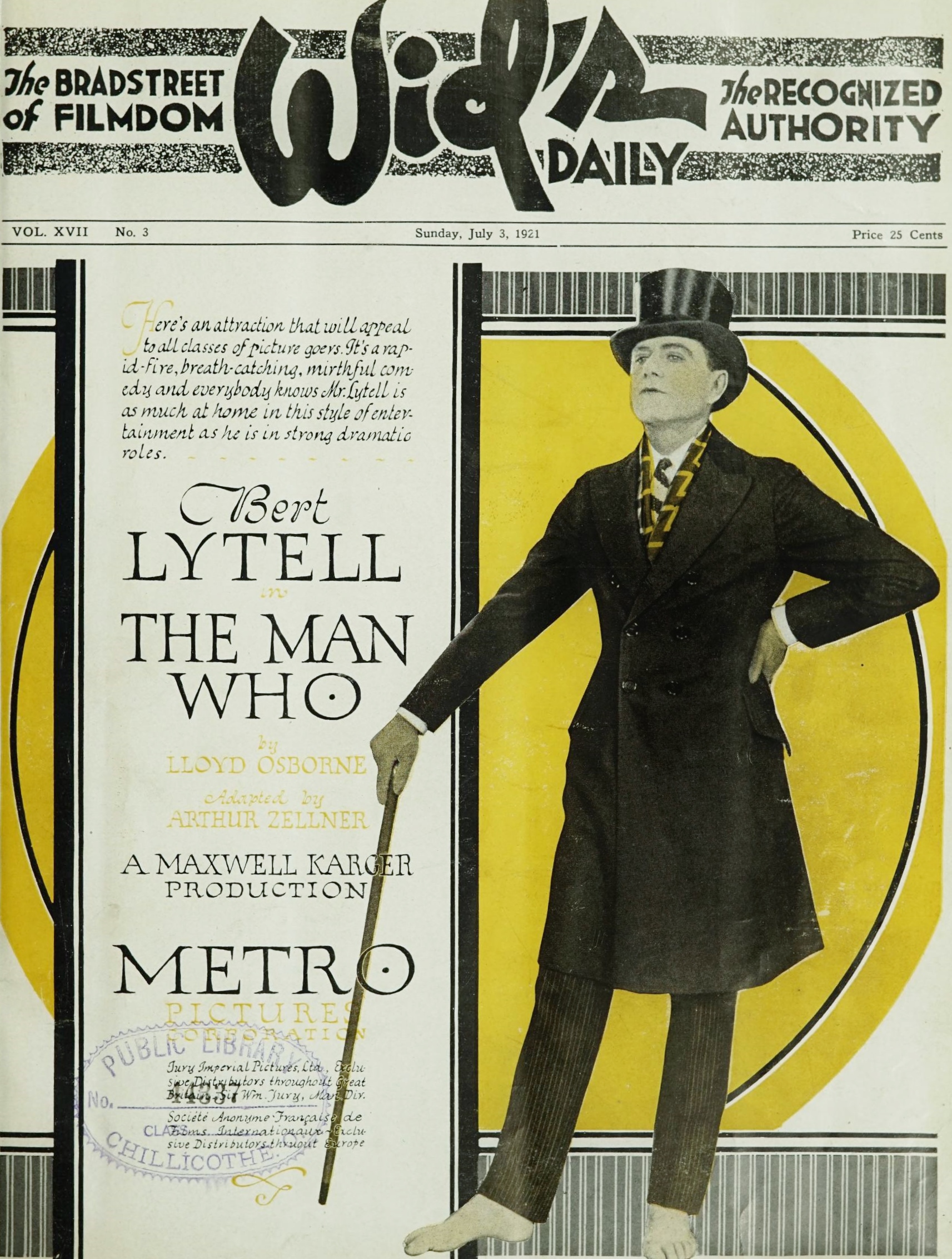
Bedford Mills, wounded in France, meets aristocratic Helen Jessop at a party given by her father for returning war heroes in his Fifth Avenue home. Bedford falls violently in love with Helen, but discovering that he is only a poor bank clerk she insists that he must first become a man of importance. He decides that, in view of the soaring prices of shoes, he will refuse to wear shoes on the street. Causing a sensation, he is arrested and then released, but all New York reads of his exploits. Although scorned by Miss Jessop, he is accompanied on his barefoot strolls by Mary Turner, a neighboring artist who believes in his campaign and loves him despite the fact that her father is president of the Shoe Trust.
Decades after its release, The Man Who remains a vital piece of the cinematic puzzle. Its influence can be seen in countless modern works, solidifying Maxwell Karger's status as a master of the craft in United States and beyond.