
DbcultAccessing Vault...
Director's Spotlight
Senior Film Conservator
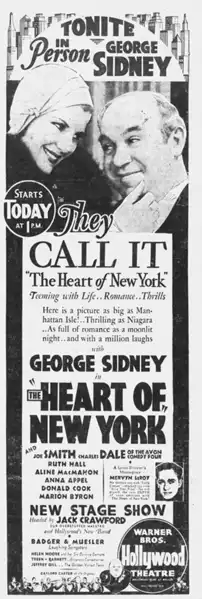
Director's Spotlight: United States
A Deep Dive into the 1932 Vision of Mervyn LeRoy
The enduring fascination with The Heart of New York is a testament to the artistic risks taken by Mervyn LeRoy that eventually paid off. Challenging the viewer to find meaning in the Comedy shadows, it reminds us of the fragility and beauty of the 1932s.
In The Heart of New York, Mervyn LeRoy pushes the boundaries of conventional narrative. The film's unique approach to its subject matter has sparked endless debates and interpretations among cinephiles and critics alike.
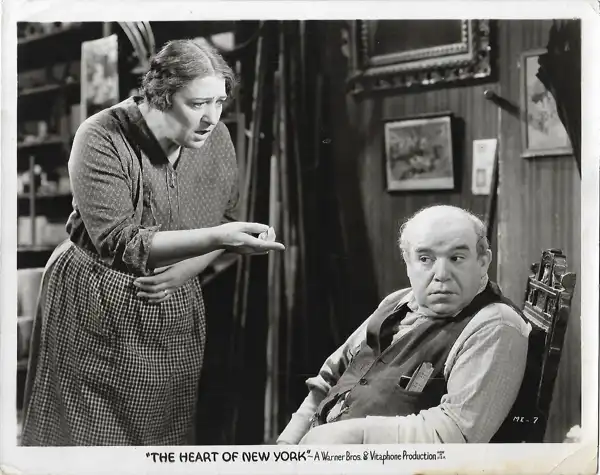
To fully appreciate The Heart of New York, one must consider the cinematic climate of 1932. During this period, United States was undergoing significant artistic shifts, and Mervyn LeRoy was at the forefront of this Comedy movement, often challenging established norms.
| Cinematography | High-Contrast |
| Soundtrack | Diegetic |
| Editing | Elliptical |
| Art Direction | Expressionist |
Visualizing the convergence of Mervyn LeRoy's style and the core Comedy narrative.
In the Jewish enclave of New York's lower East Side, hapless inventor Mendel is constantly in debt since he uses all his (and other people's) money to tinker with machines that will make him rich. He finally does create a dish washing machine and becomes involved with his match-making, rent-collecting brother-in-law Bernard and Bernard's partner to market the machine. Success leads to strife in the family and Mendel's wife Zelda moves 'uptown' with her new found wealth while Mendel builds a luxurious townhouse in the East Side. Complications with finances lead to a reconciliation between Zelda and Mendel and cumuppence for the wheelers and dealers involved.
Decades after its release, The Heart of New York remains a vital piece of the cinematic puzzle. Its influence can be seen in countless modern works, solidifying Mervyn LeRoy's status as a master of the craft in United States and beyond.