
DbcultAccessing Vault...
Director's Spotlight
Senior Film Conservator
Director's Spotlight: Hungary
A Deep Dive into the 1919 Vision of Michael Curtiz
The 1919 release of Jön az öcsém marked a significant moment for the enduring legacy of Michael Curtiz's artistic contribution to the genre. By challenging the status quo of 1919 cinema, it has cemented its place in the global cult cinema archive.
In Jön az öcsém, Michael Curtiz pushes the boundaries of conventional narrative. The film's unique approach to its subject matter has sparked endless debates and interpretations among cinephiles and critics alike.
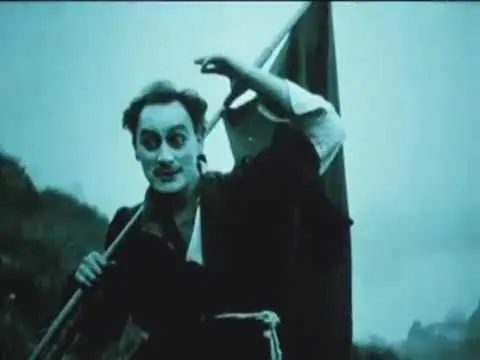
In this work, Michael Curtiz explores the intersection of cult and Hungary cultural identity. The meticulous attention to detail suggests a deep-seated commitment to pushing the boundaries of the medium, ensuring that Jön az öcsém remains a relevant topic of study for cult enthusiasts.
| Cinematography | High-Contrast |
| Soundtrack | Synth-Heavy |
| Editing | Disjunctive |
| Art Direction | Baroque |
Visualizing the convergence of Michael Curtiz's style and the core cult narrative.
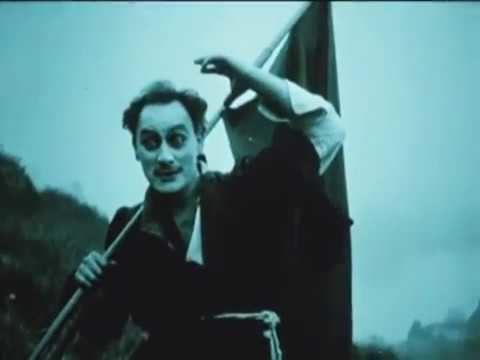
The family waits for the returning brother. The young revolutionary emerges from behind the brow of the hill holding a fluttering flag. The enemies fight a bloody battle. The hero and his battalion suffers defeat. The young fighter is imprisoned, but the slogan "Proletars of the world, unite!" makes him escape. He raises a new army around the preserved flag. News are read out back home when the young brother comes home. The two brothers embrace each other. A revolutionary mob proceeds on the street.
Decades after its release, Jön az öcsém remains a vital piece of the cinematic puzzle. Its influence can be seen in countless modern works, solidifying Michael Curtiz's status as a master of the craft in Hungary and beyond.